Untimely Fires

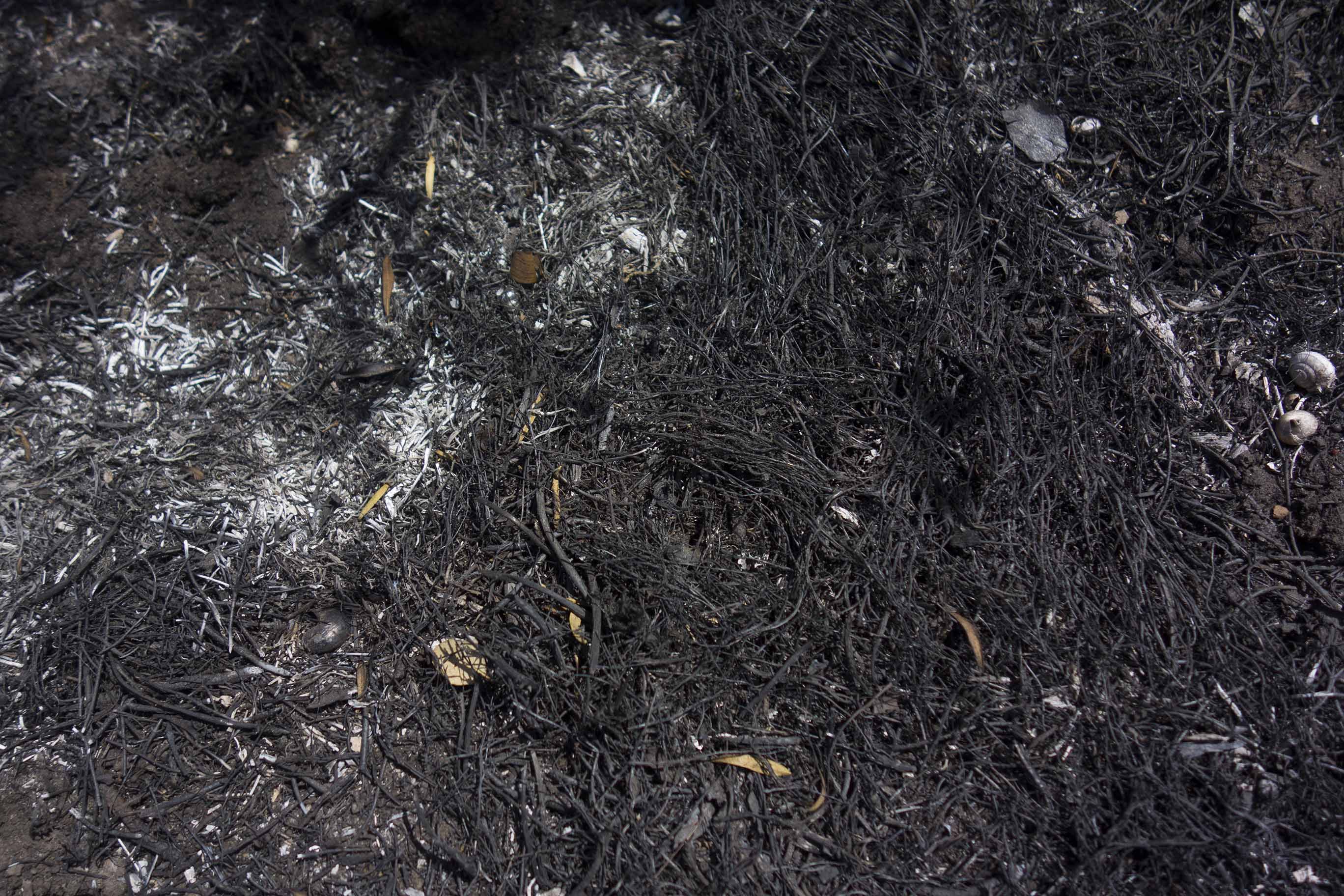
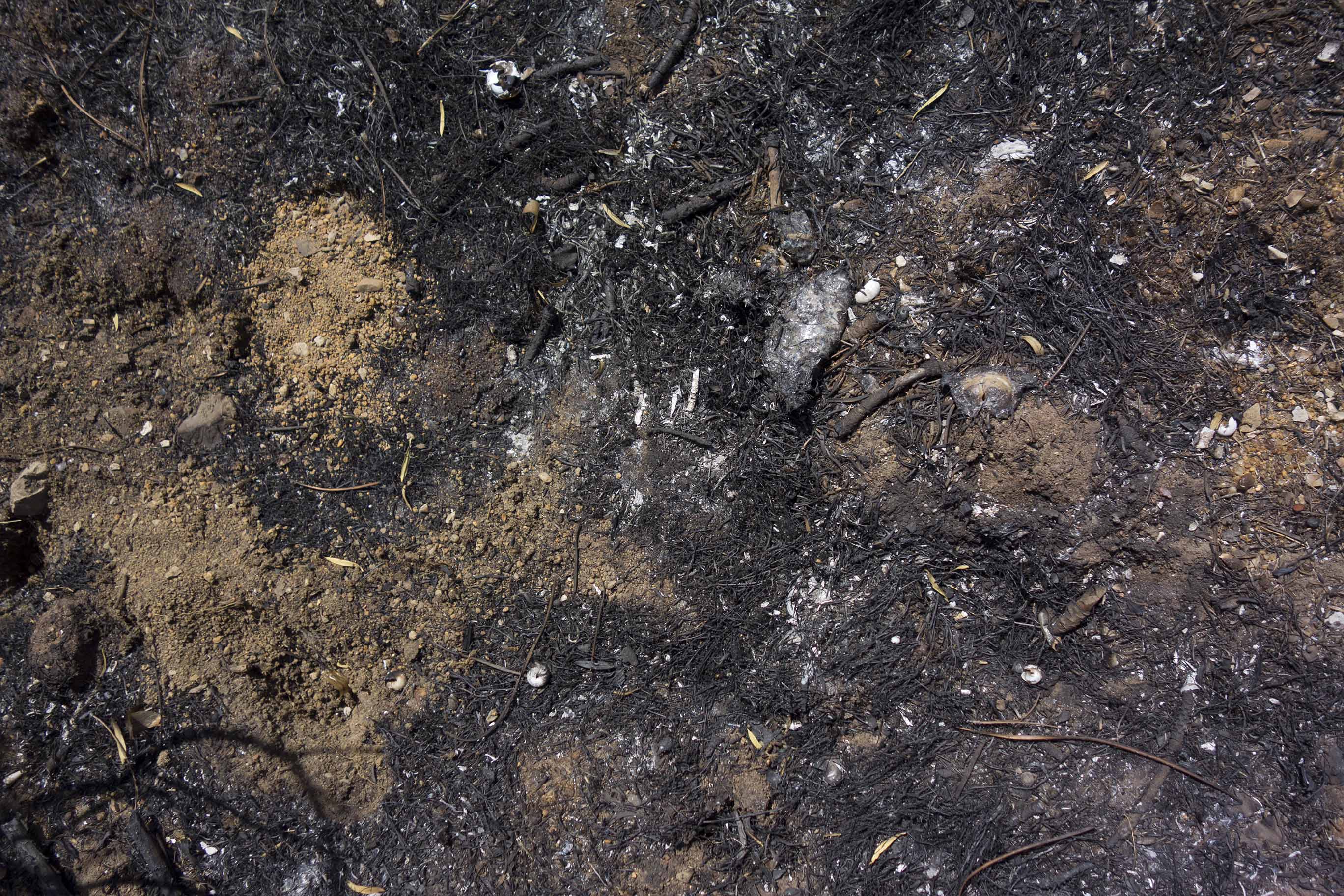
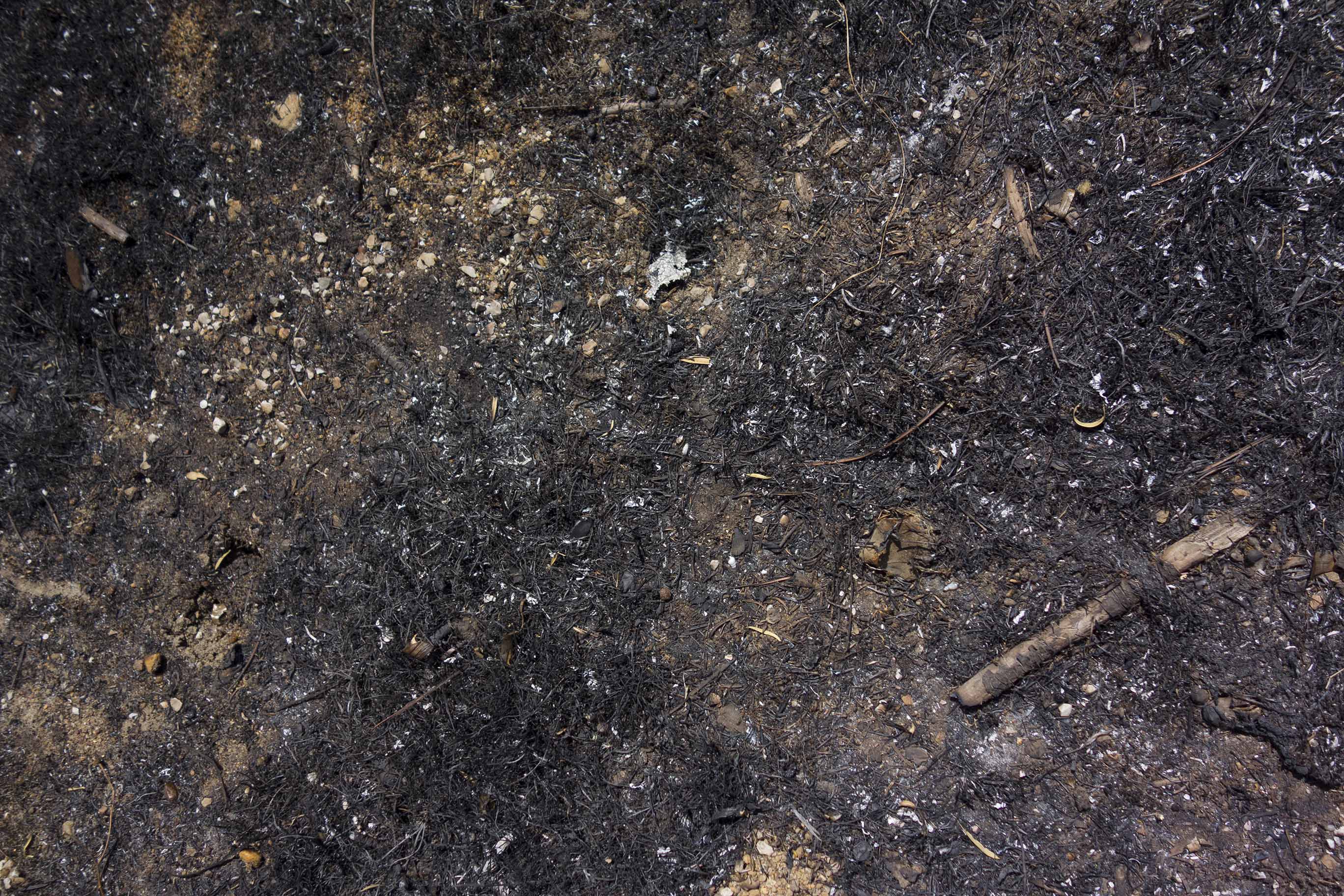
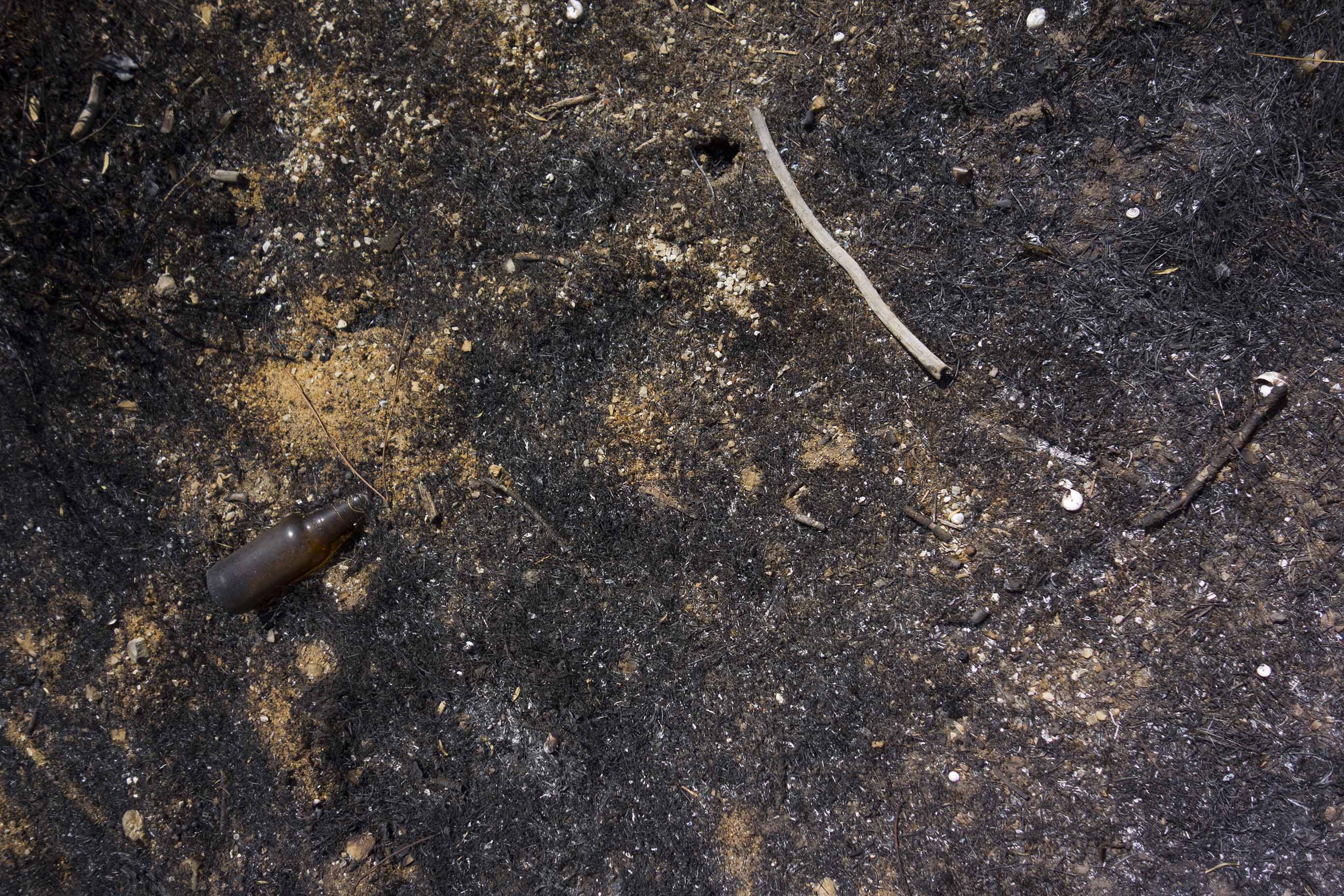
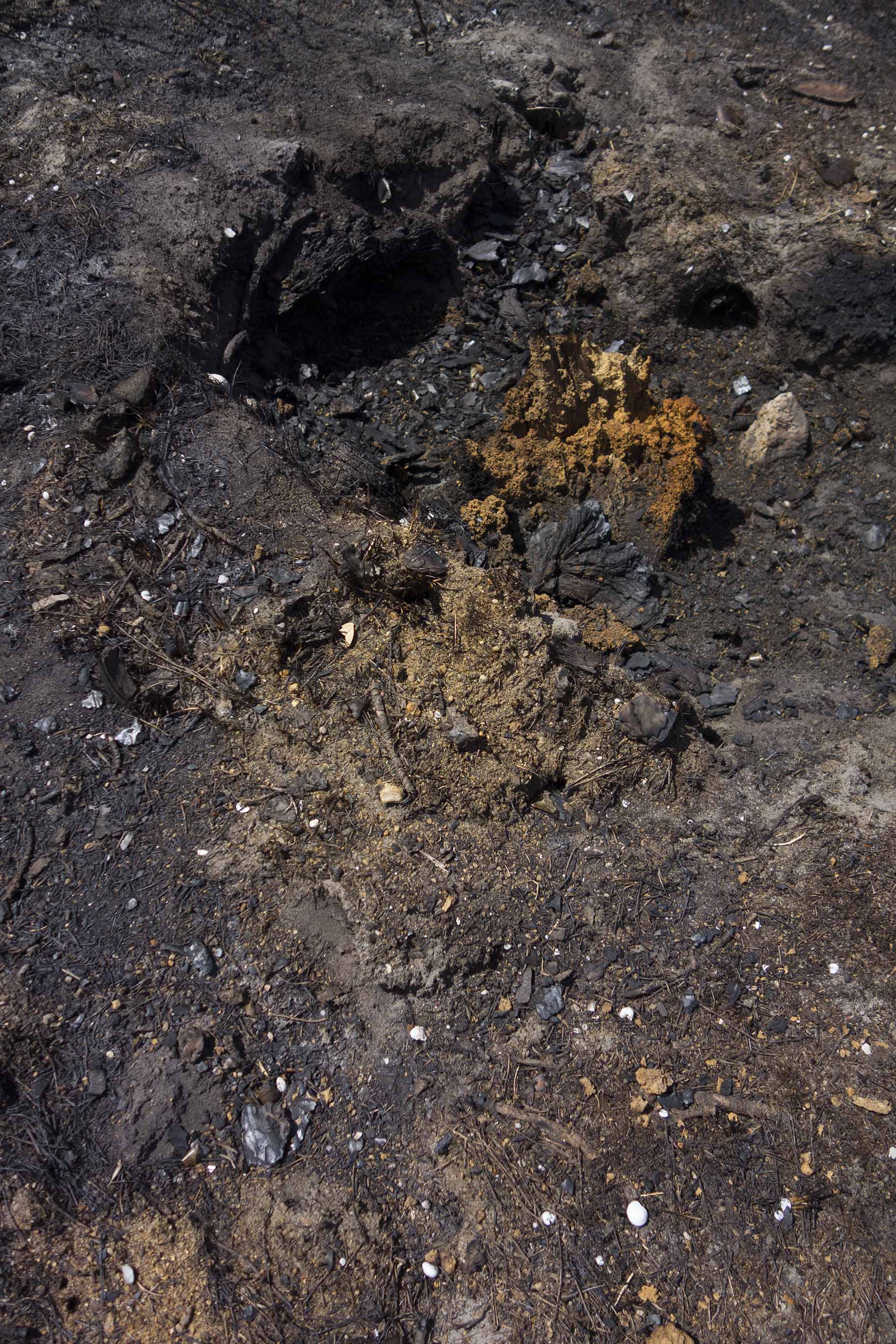
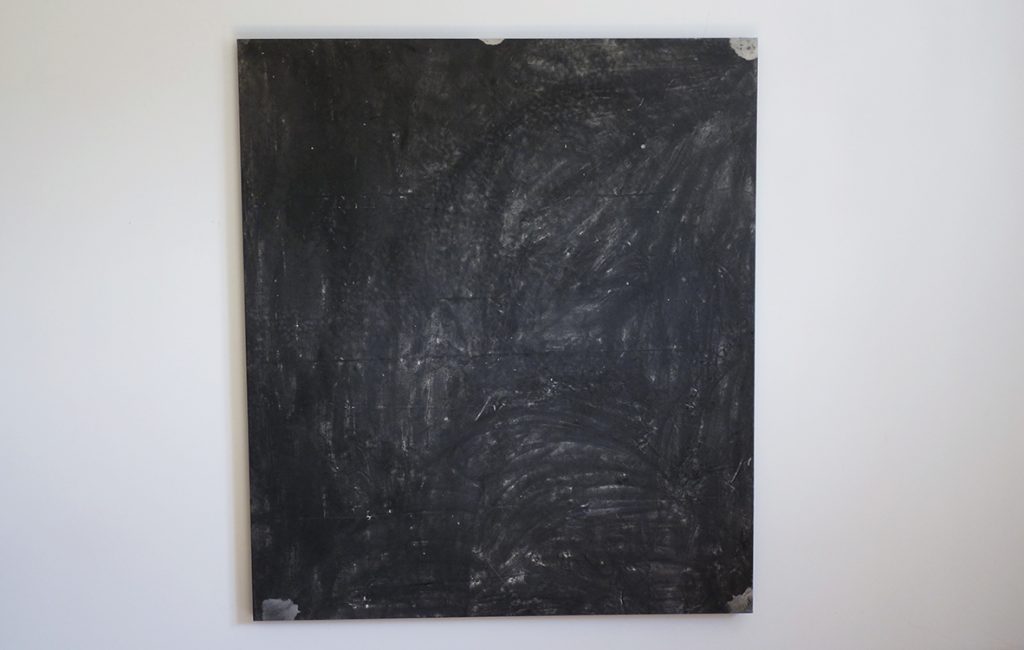
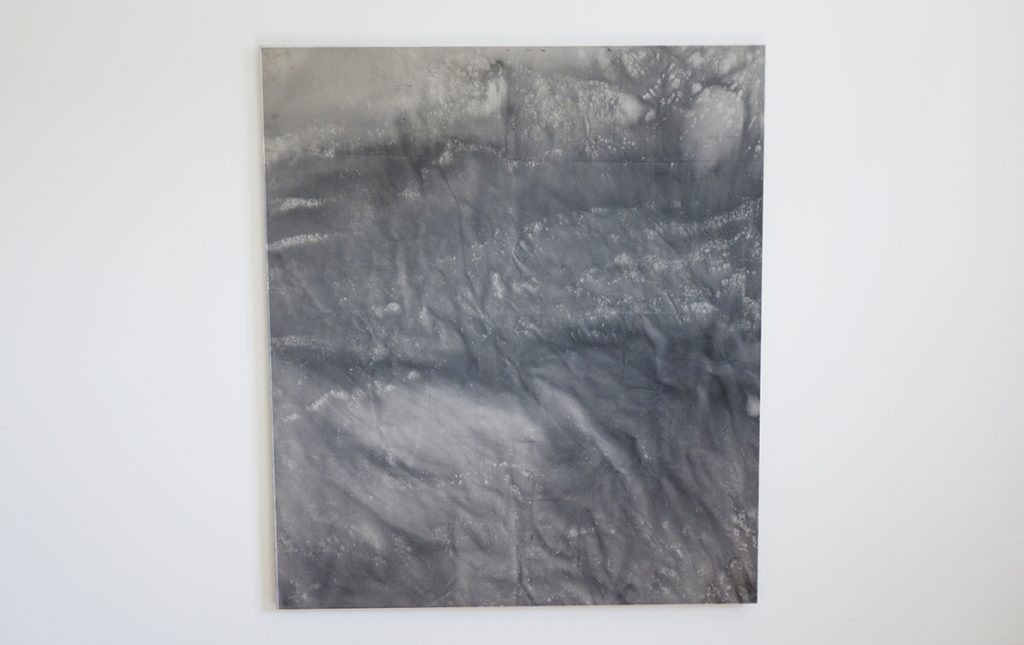
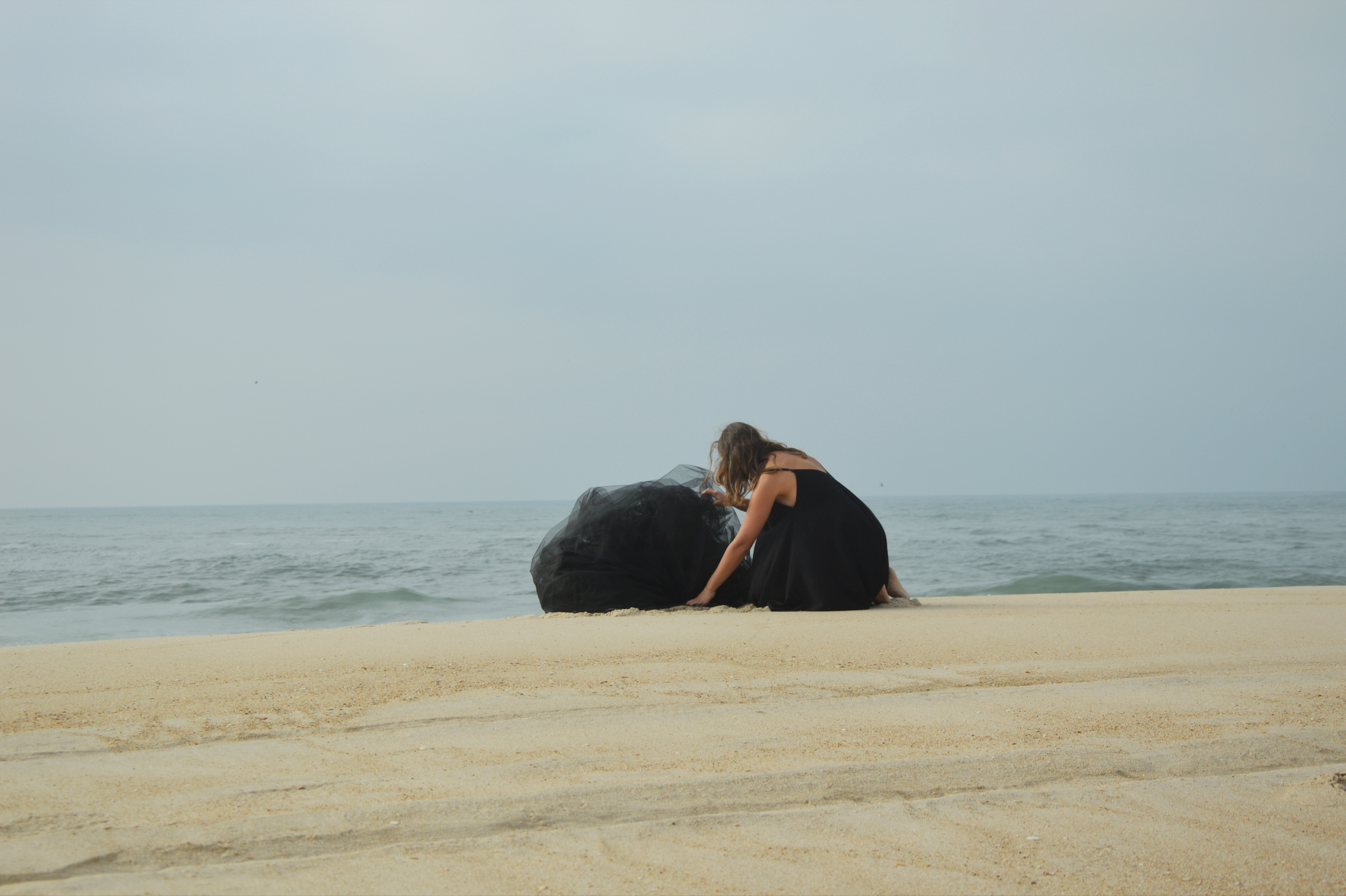
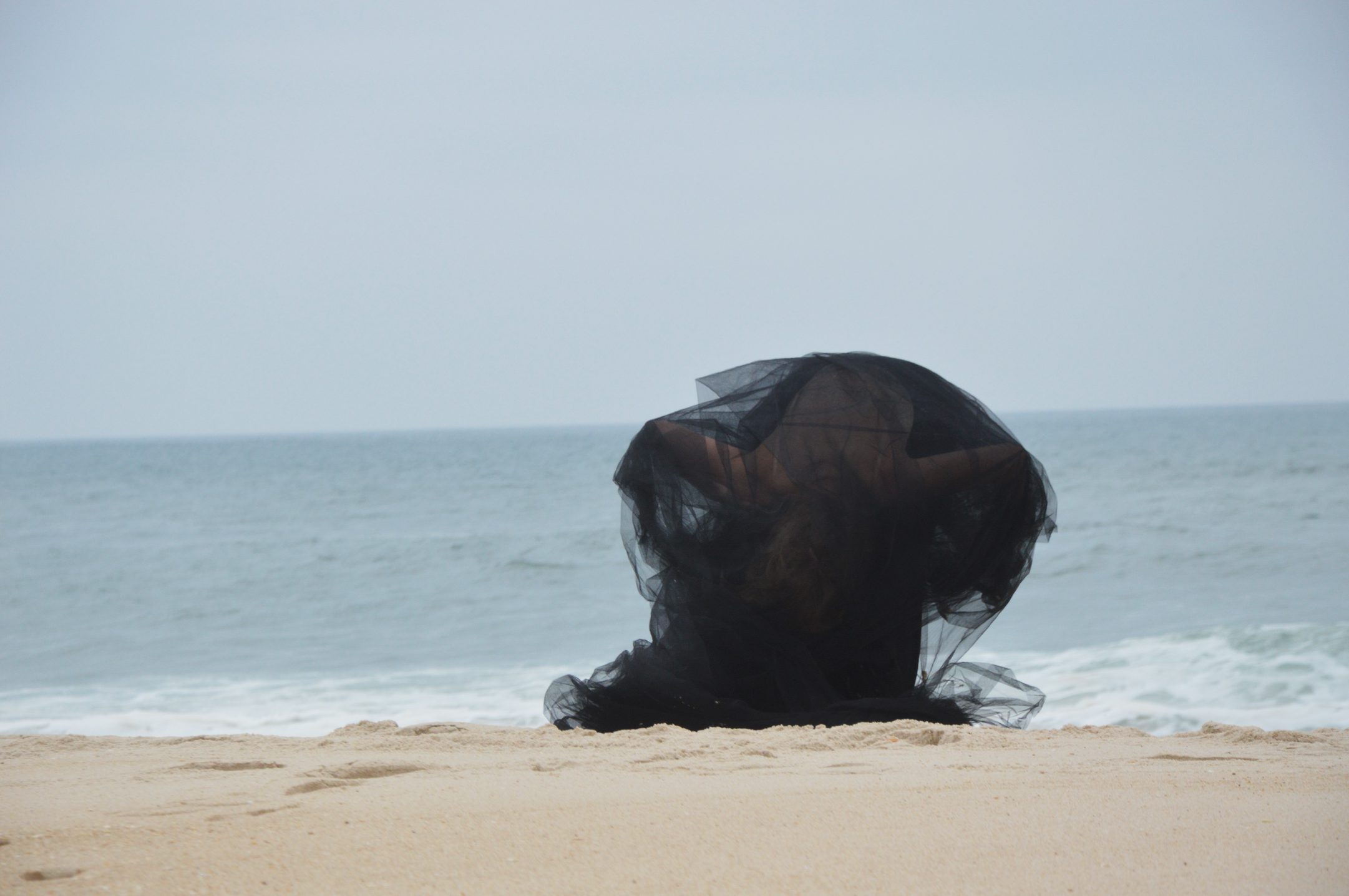
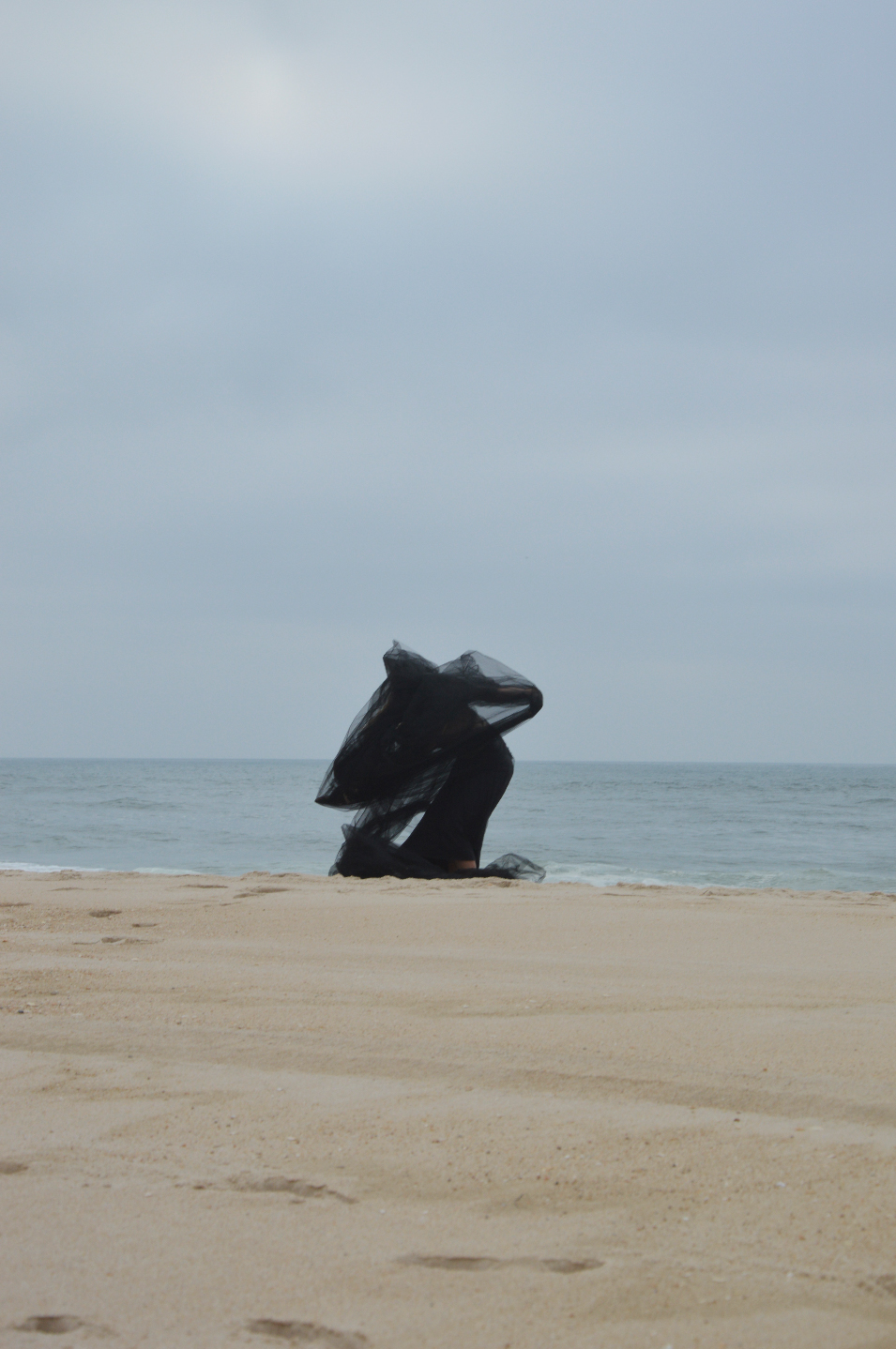
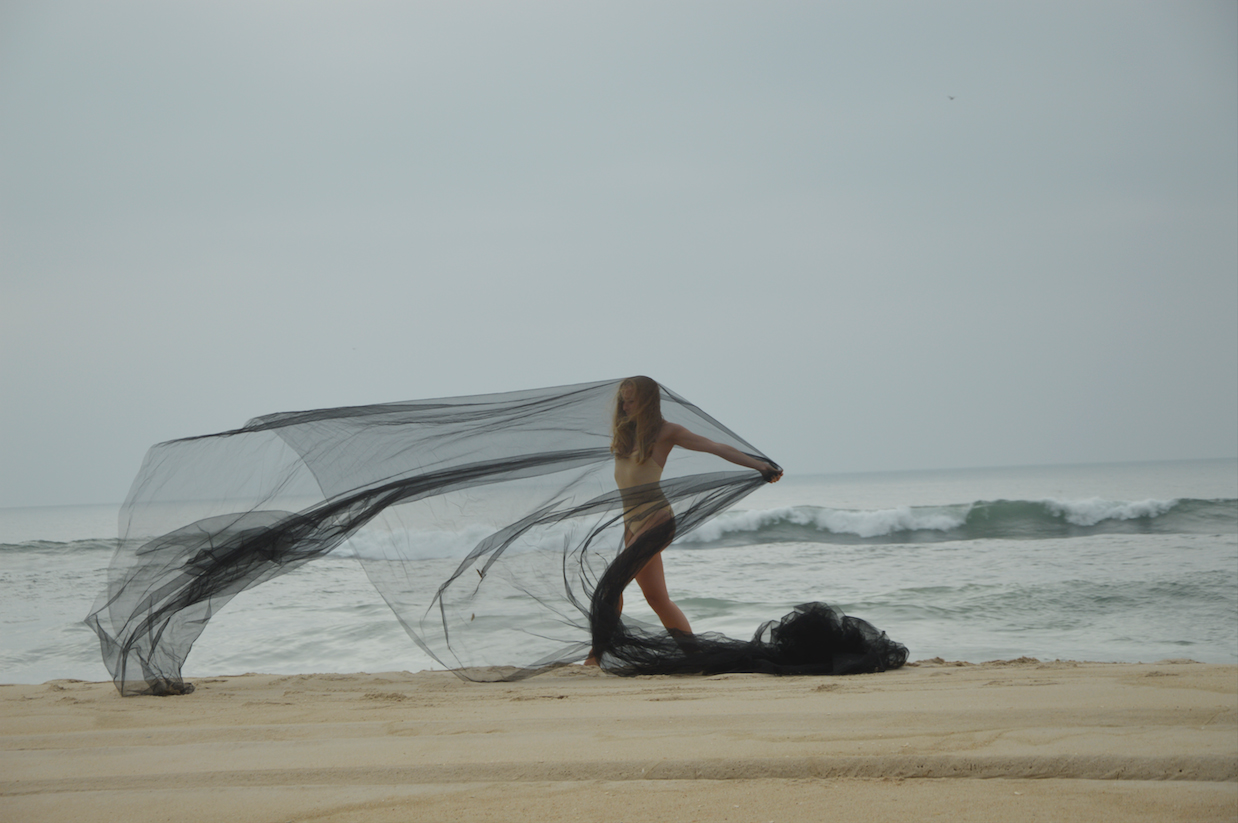
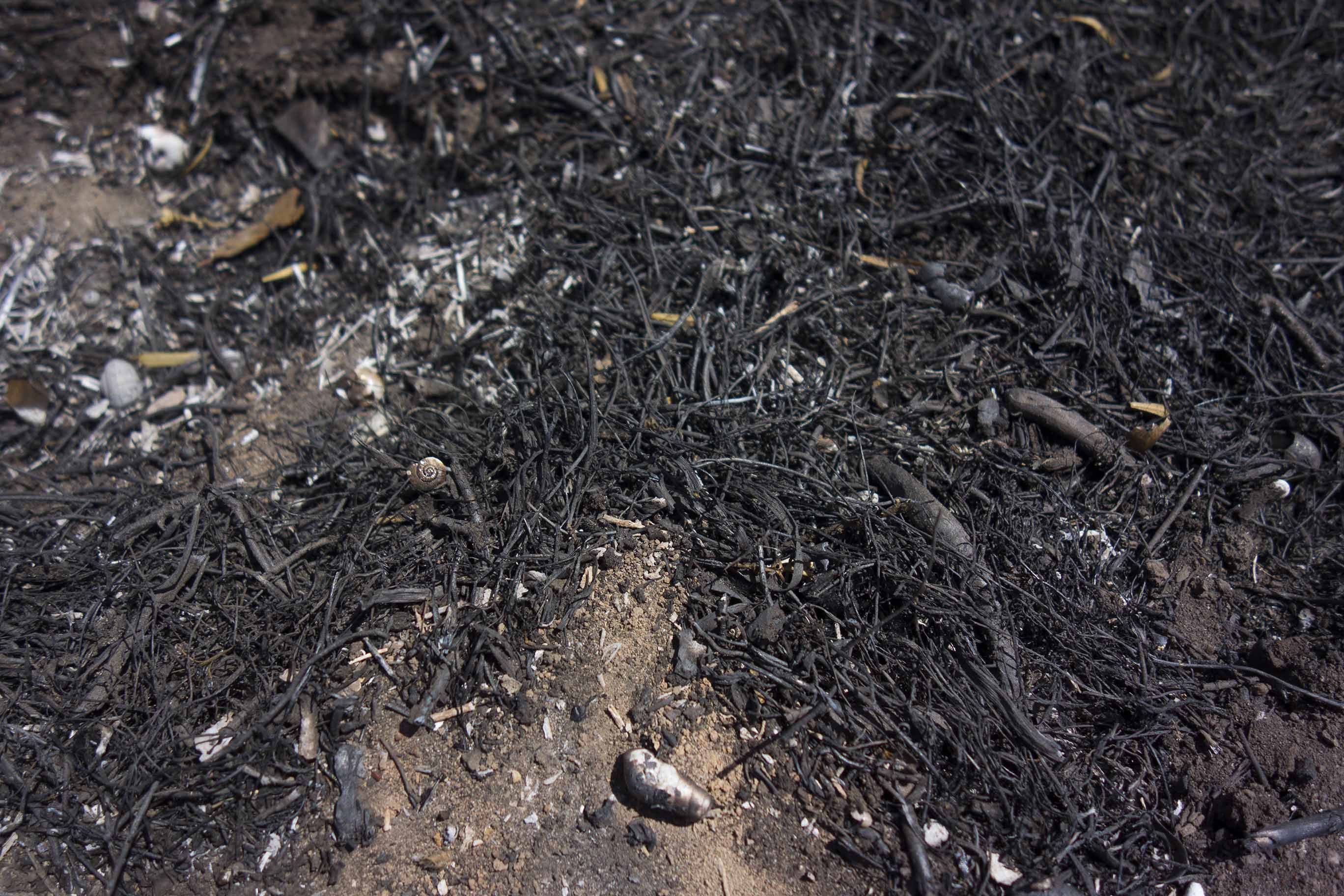
Untimely Fires is a photographic documentation of the fire disasters that happens in Portugal during dry season, specially near the huge plantations of Eucalyptus trees. It is also an artistic tribute to the tragedy of “Pedrógão Grande”, happend on 2017, the biggest and deadliest fire of Portugal.

The concept approached by this artwork is related to the brevity of life and possible ends we can experience, when nature is used in an inconsequent way.

Technique: Digital photography printed with fine art quality on acrylic and mounted over Aluminium dibond plate.

Format: 150 x 100cm cada.

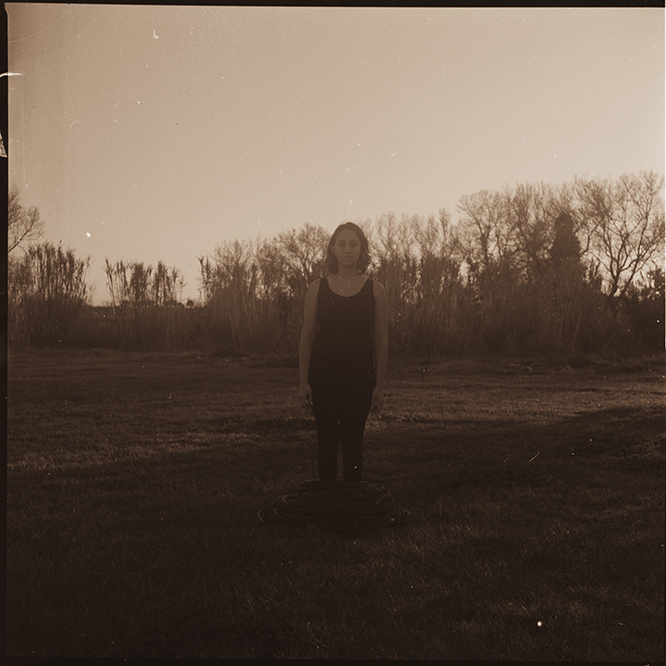
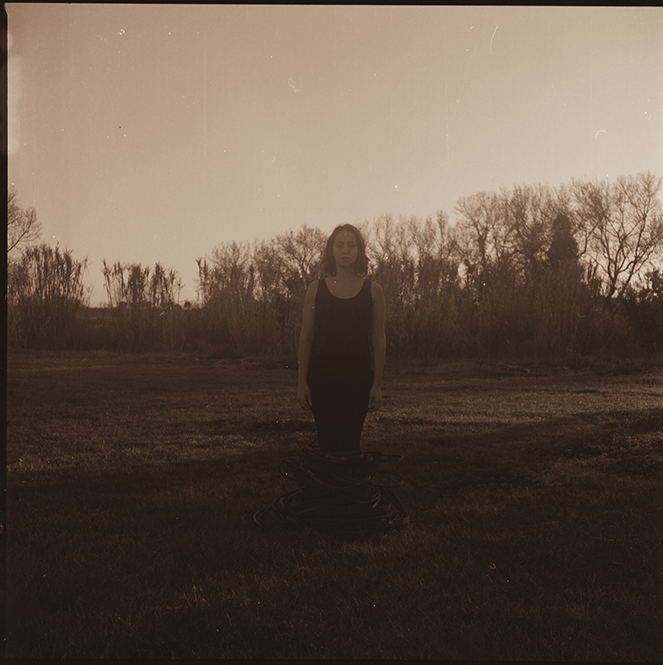
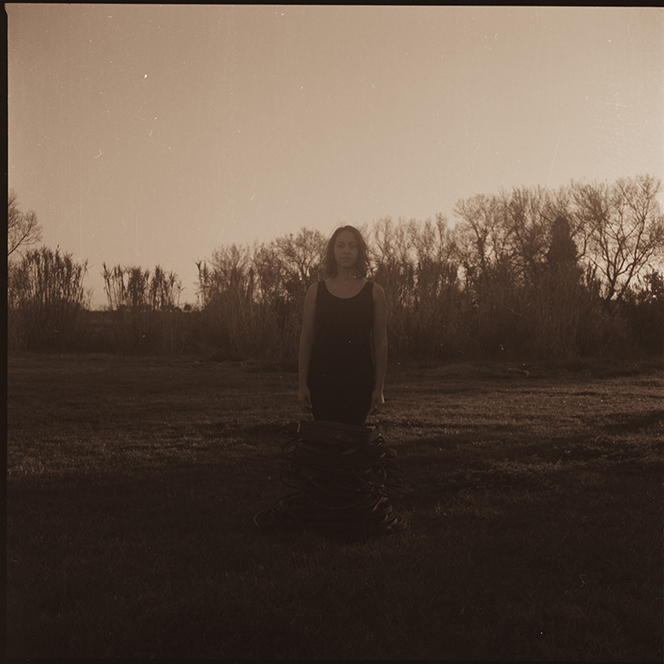
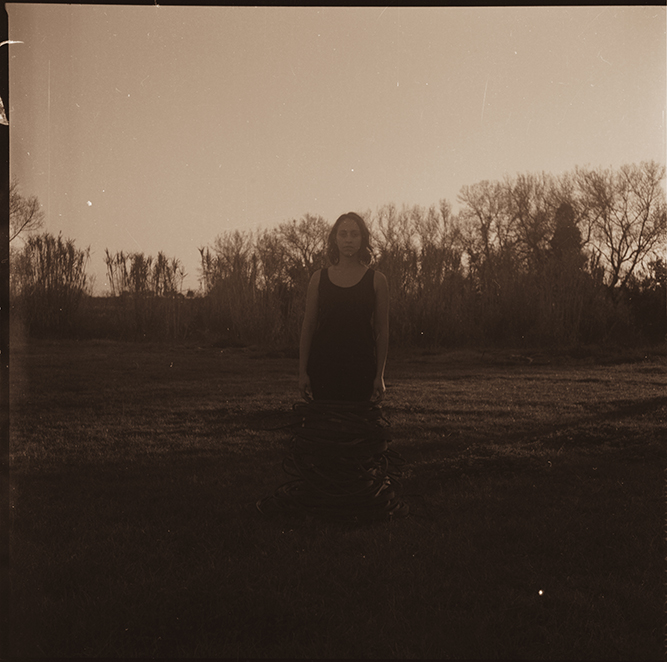
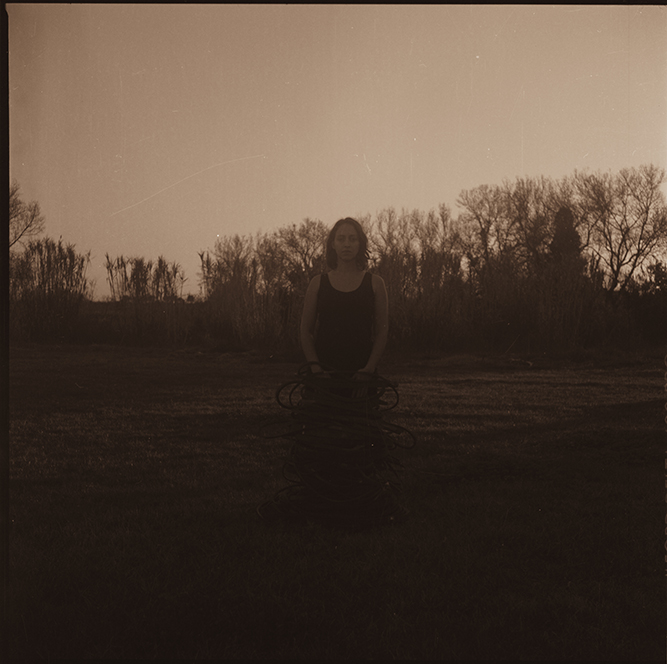
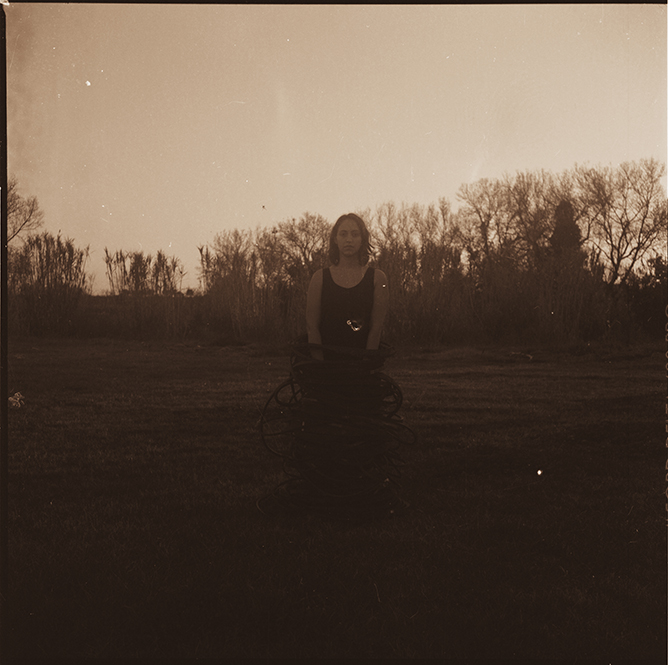
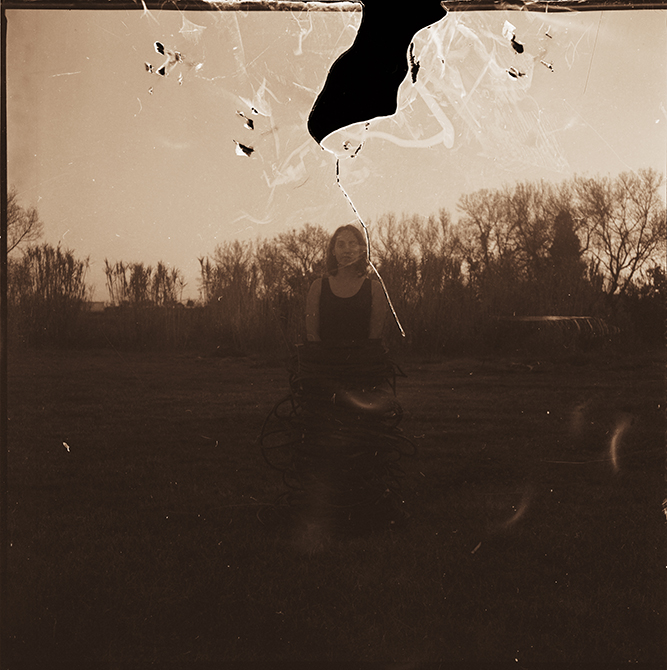
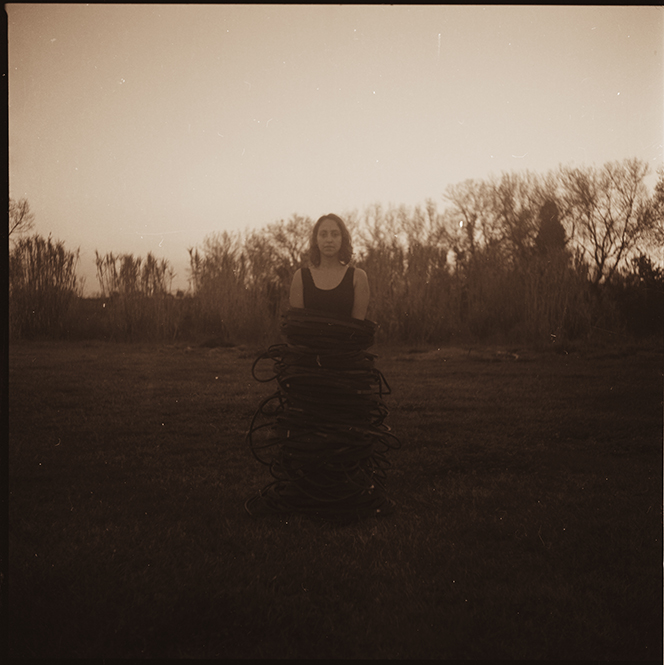
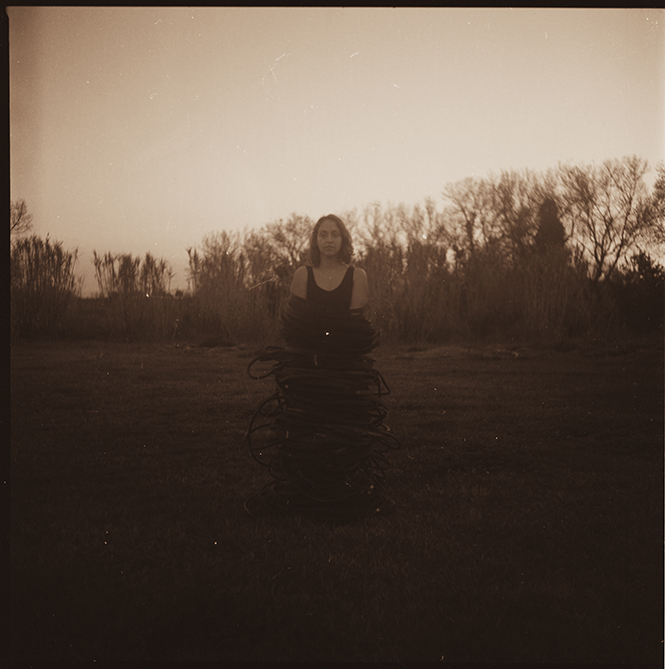
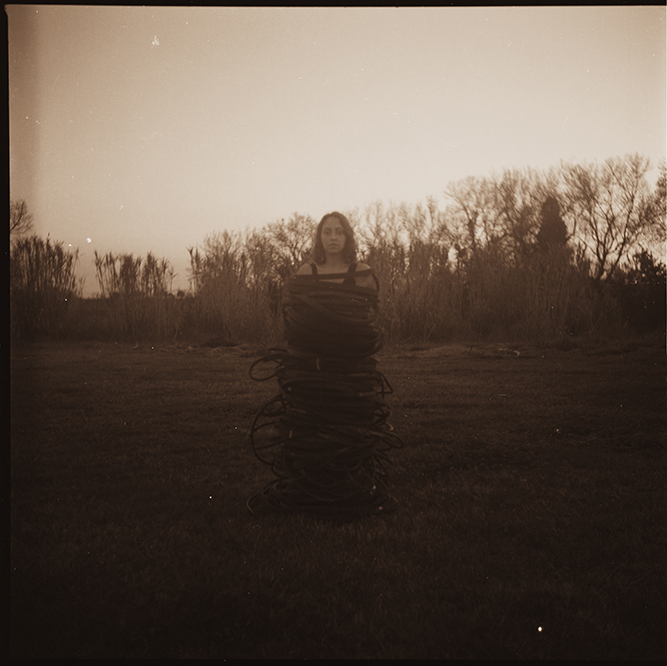
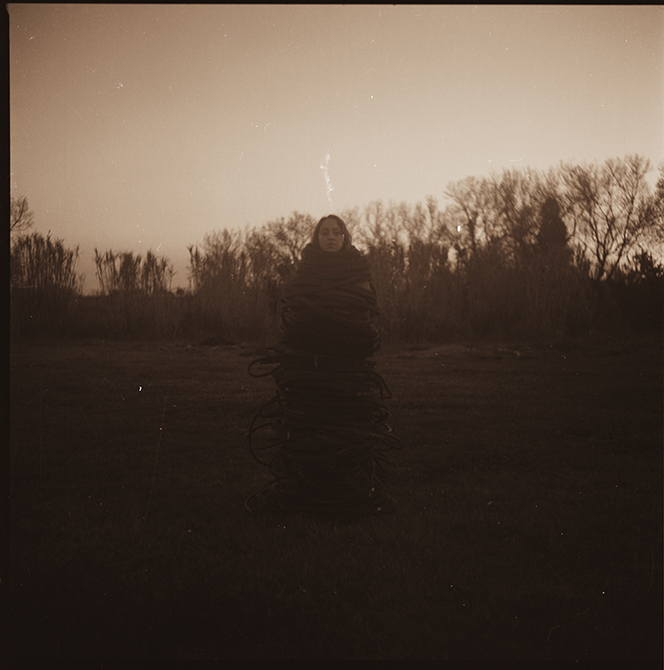
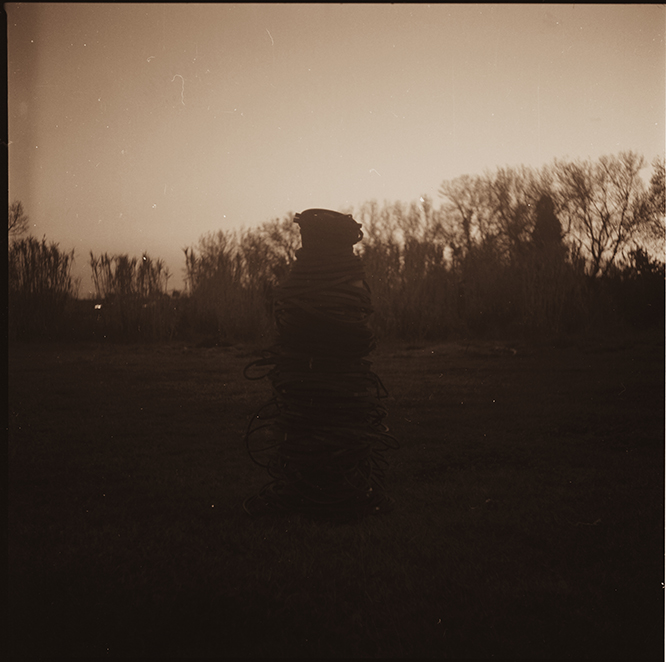
Metamorphosis

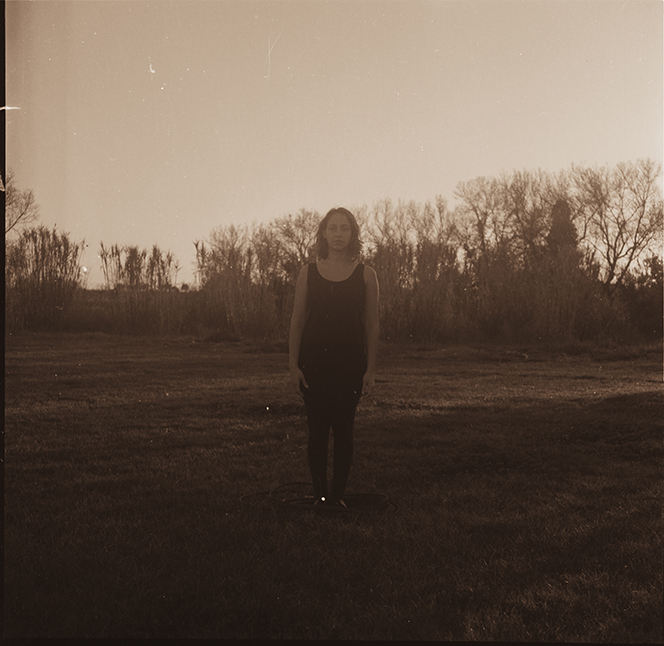
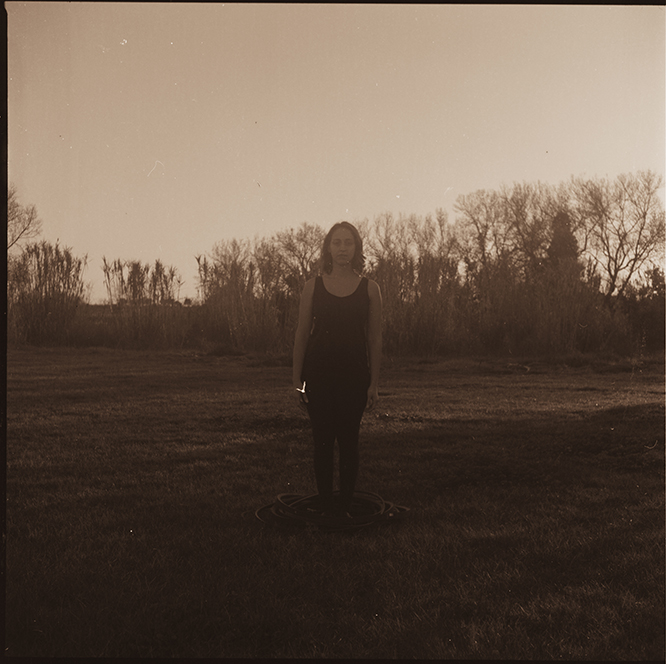
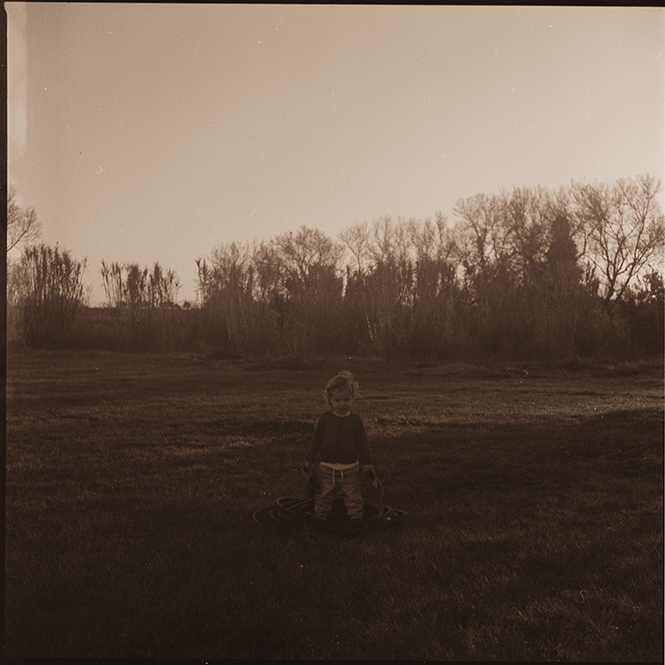
Metamorphosis is a photographic series that deals with the idea of time related to a body in constant changes. Metamorphosis is a concept for a movement with a direction from one state to another, and life requires this from every single person, the predisposition for change.

Technique: Analogue photography printed digitally on fine art over Hahnemühle Torchon paper.

Format: 20 x 20cm cada.

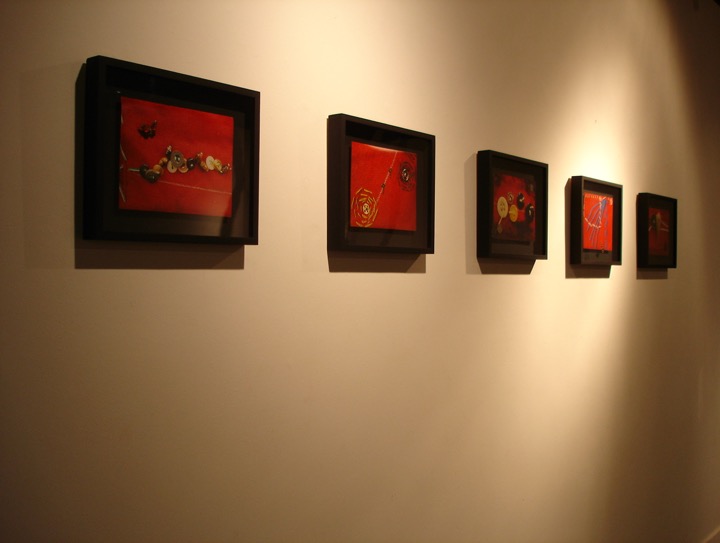
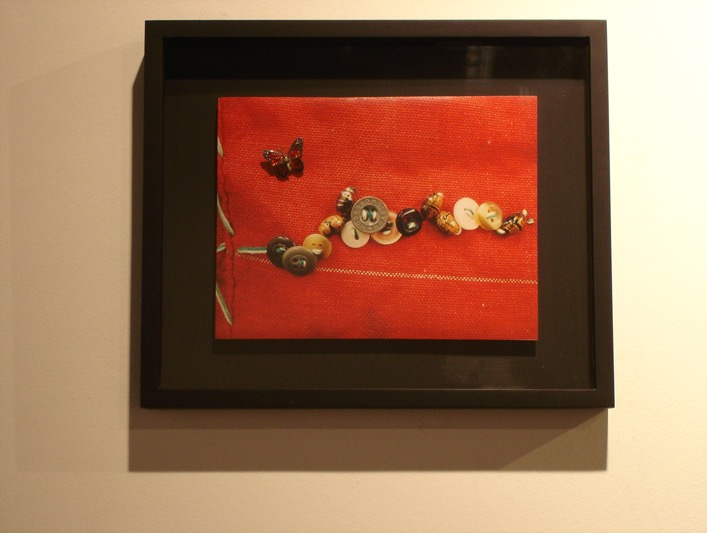
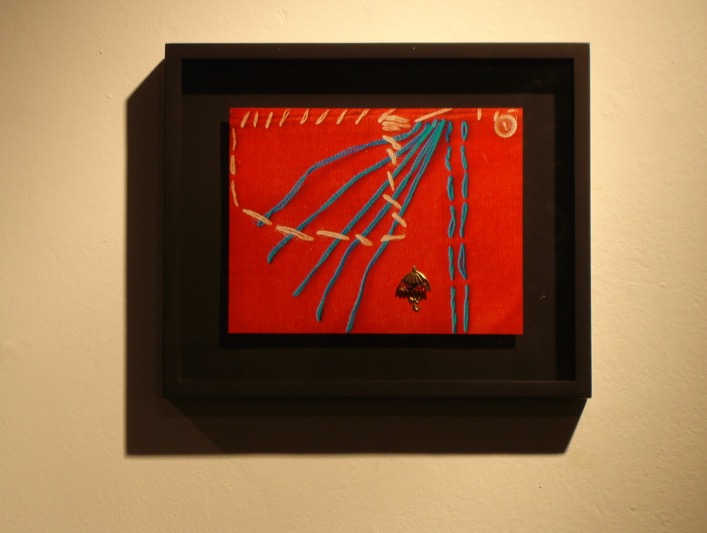
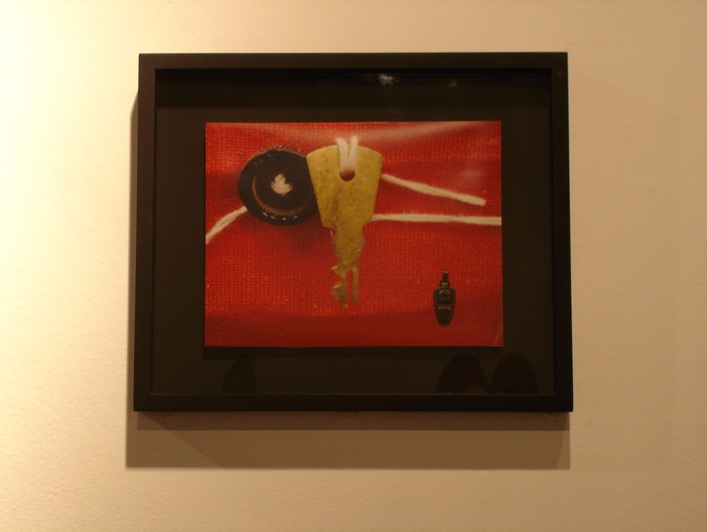
Memory and collection

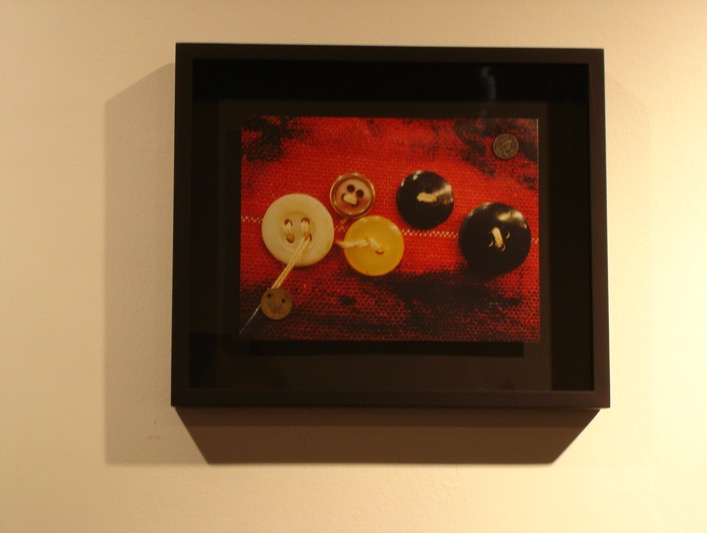
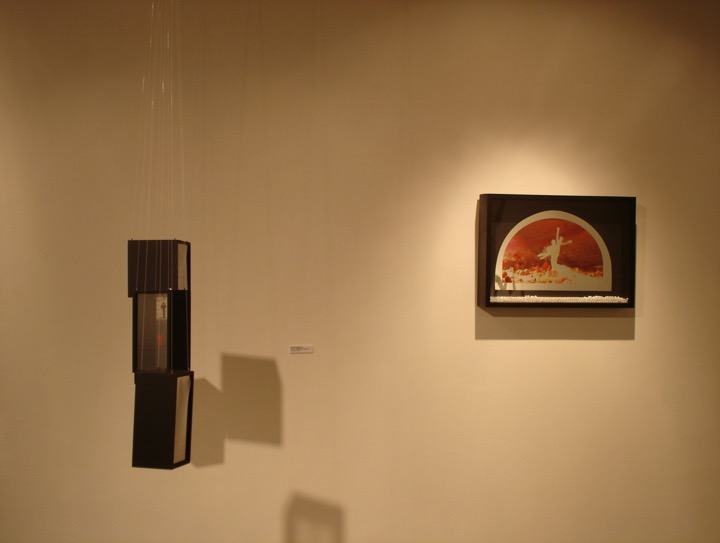
Sewing, 2007

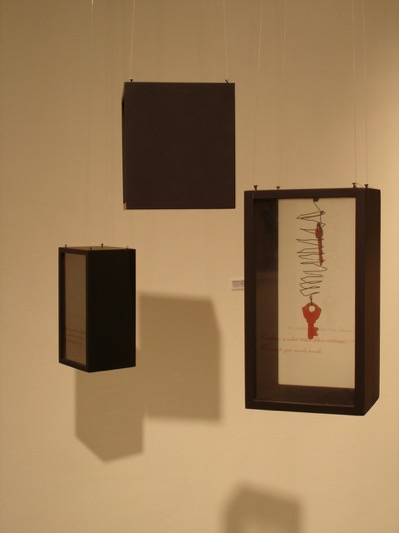
Keyring, 2007

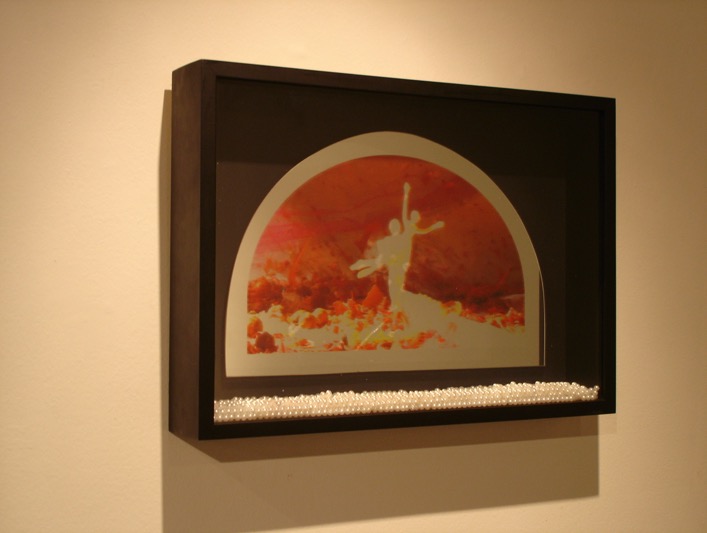
The ballerina, 2007

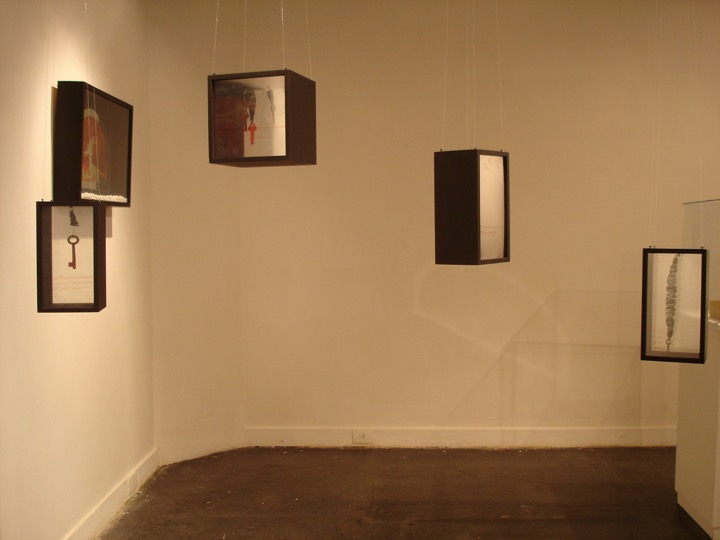
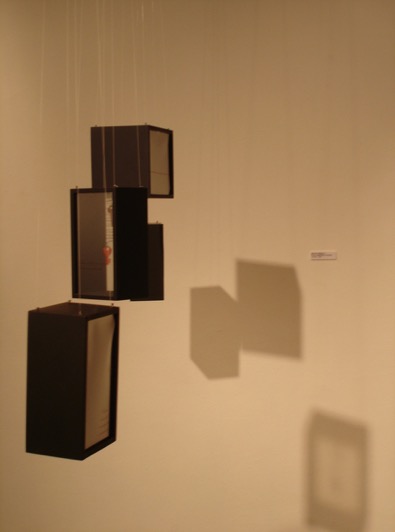
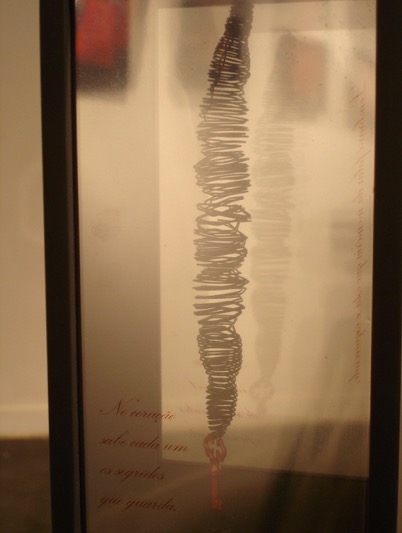
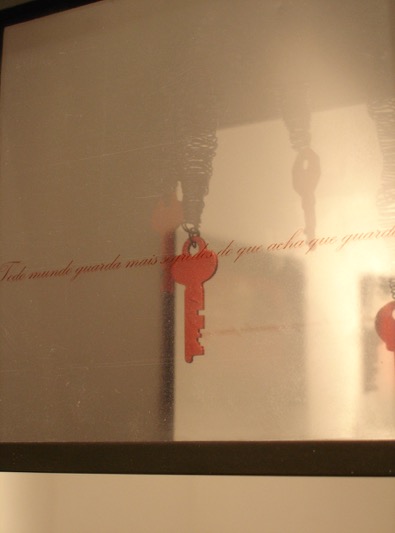
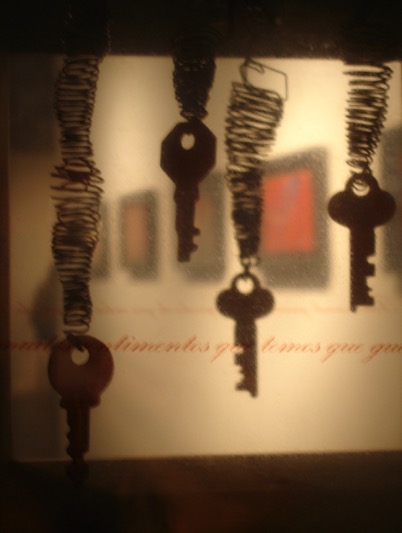
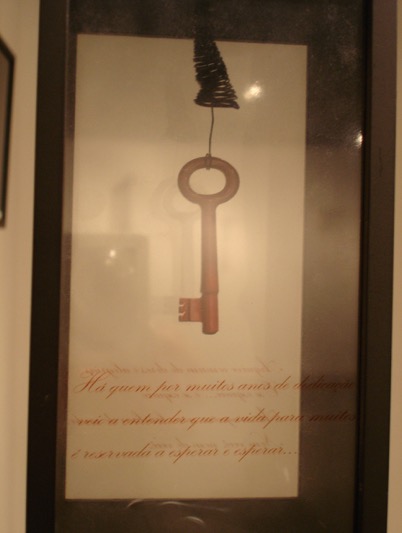
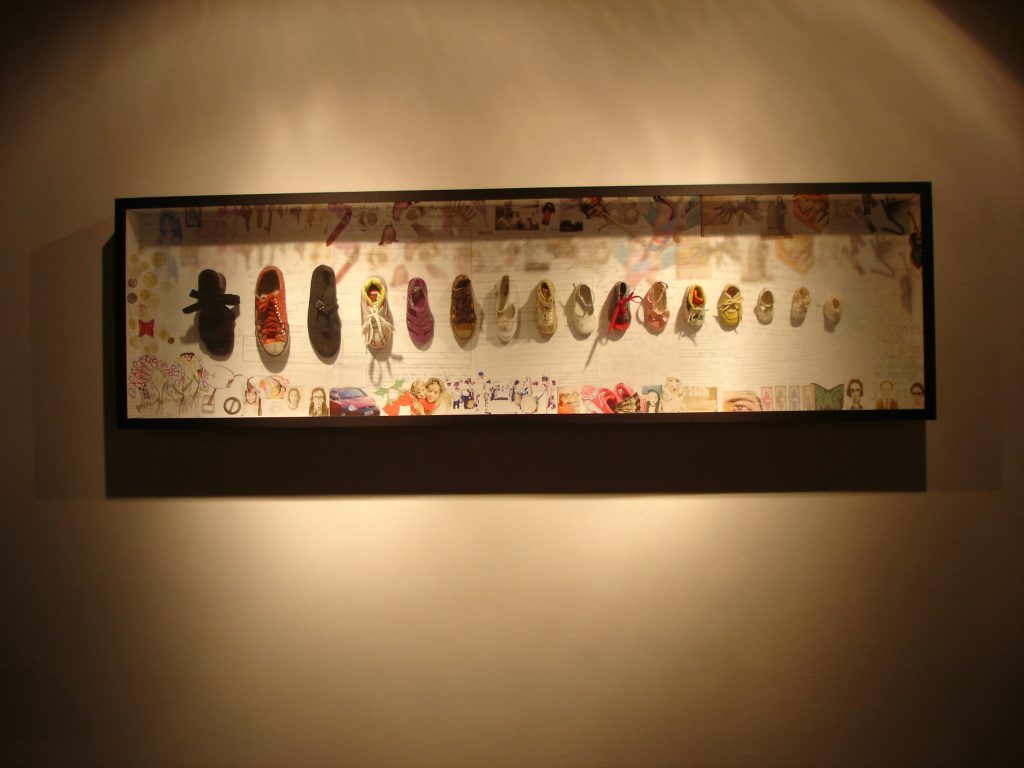
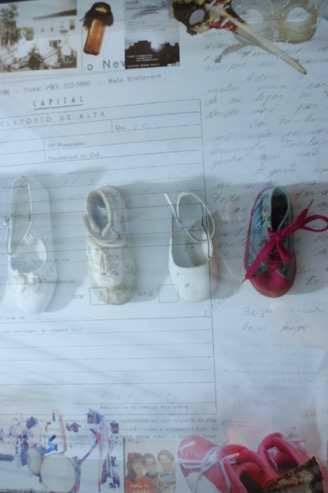
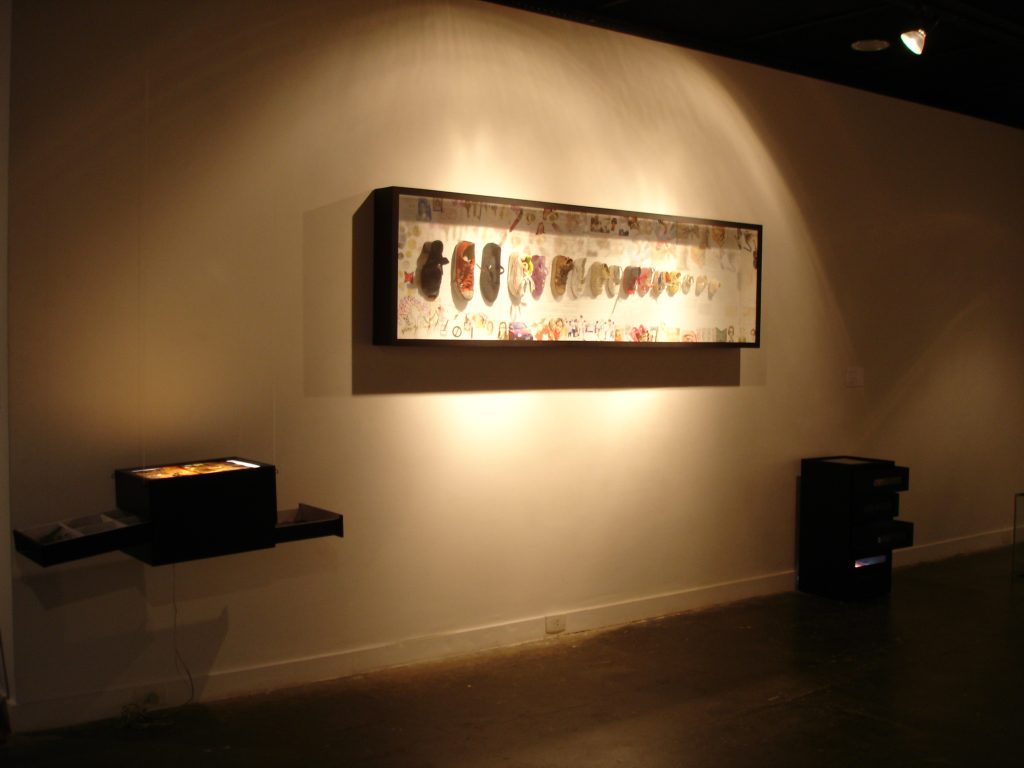
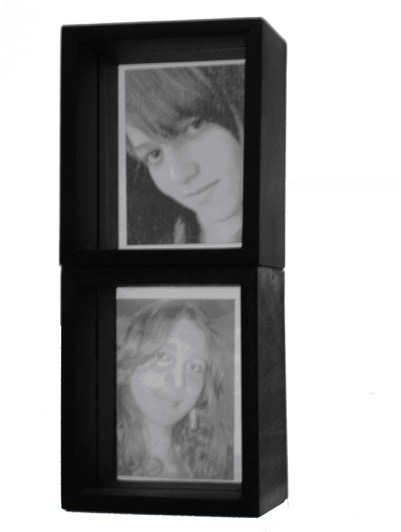
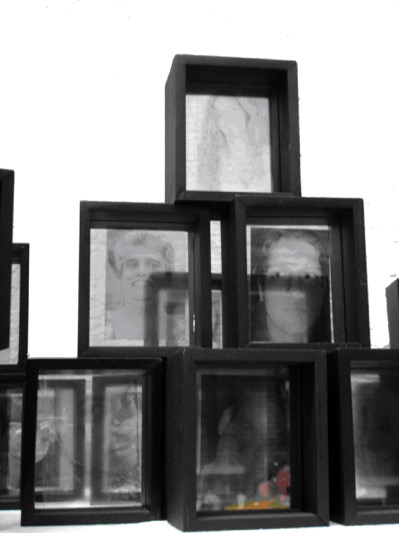
Memory and collection is a project developed between 2007 and 2008 in which the artist brings images and photographs closer to objects and sculpture.

The artworks evoke the main topic: memory dealing with archives of images, collections of objects and family related remembrances.

Trajectory, 2008

Archives of the feminine, 2008

Dreams collector, 2008

The traveller, 2008

Affections, 2008

Backyard

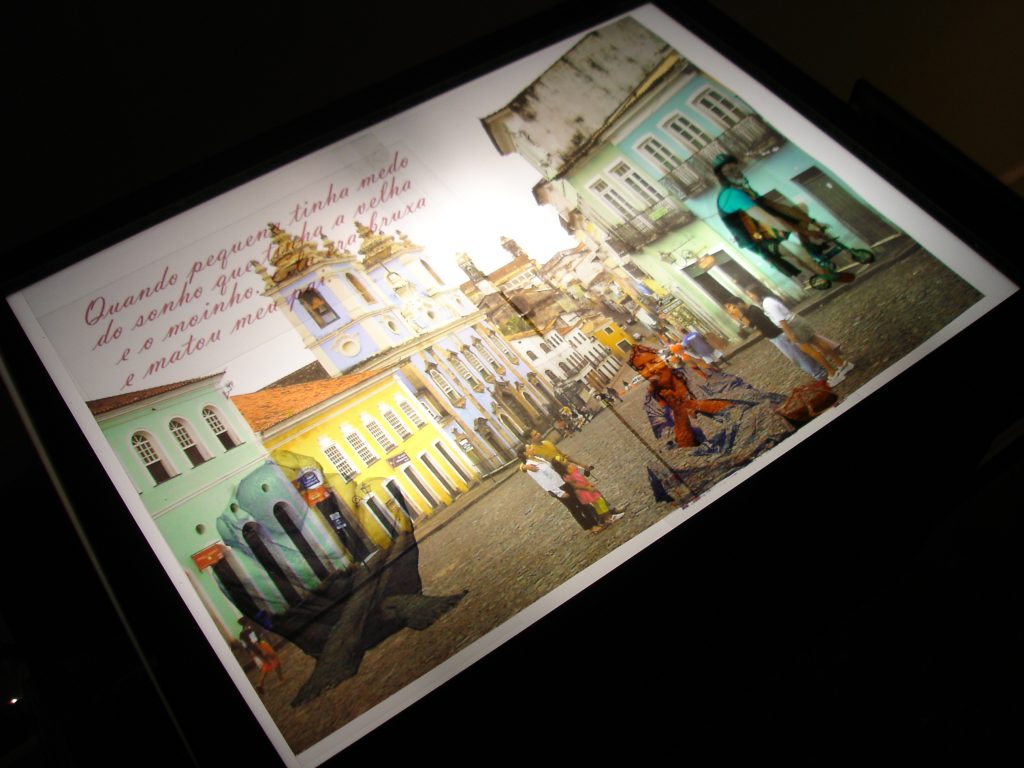
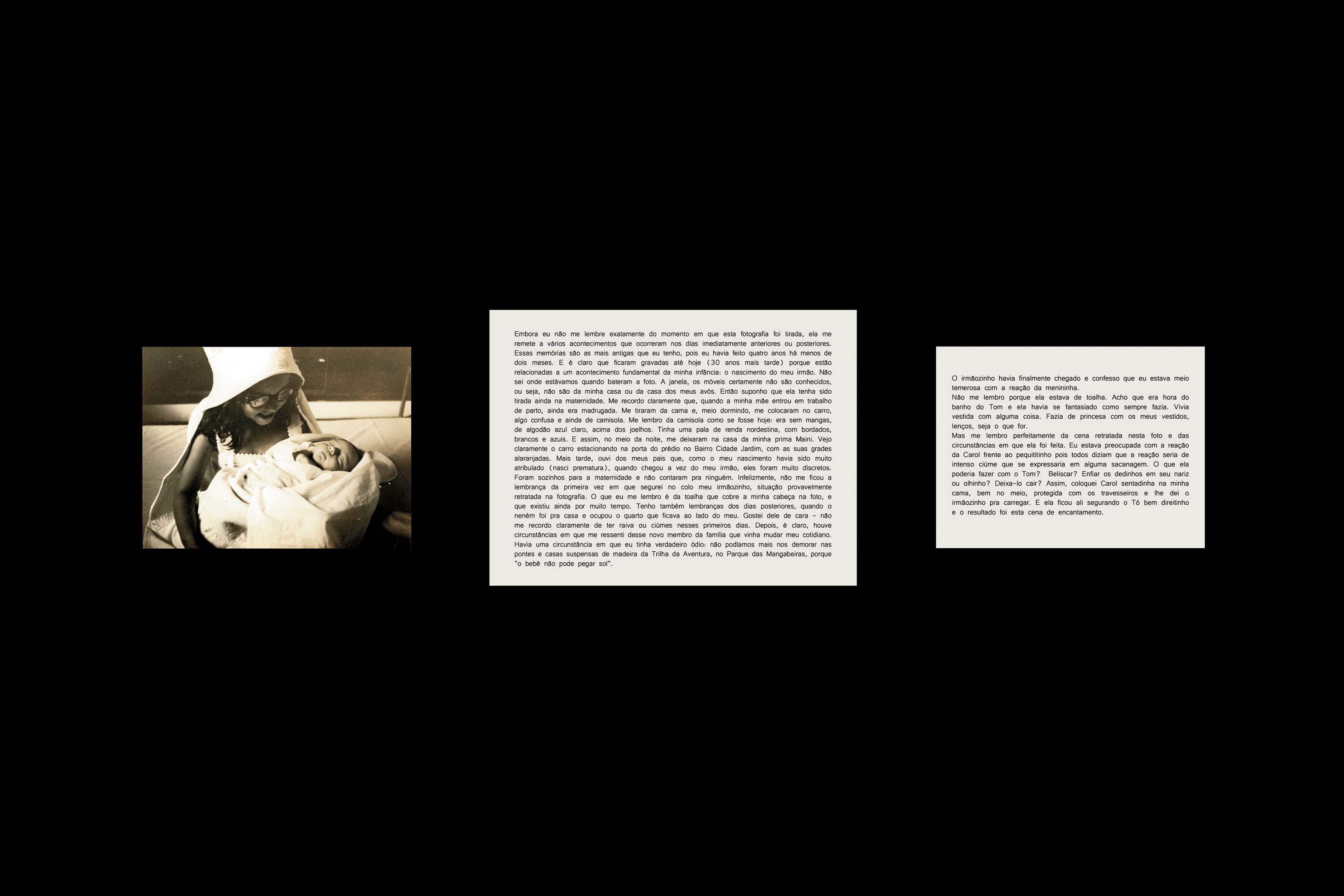
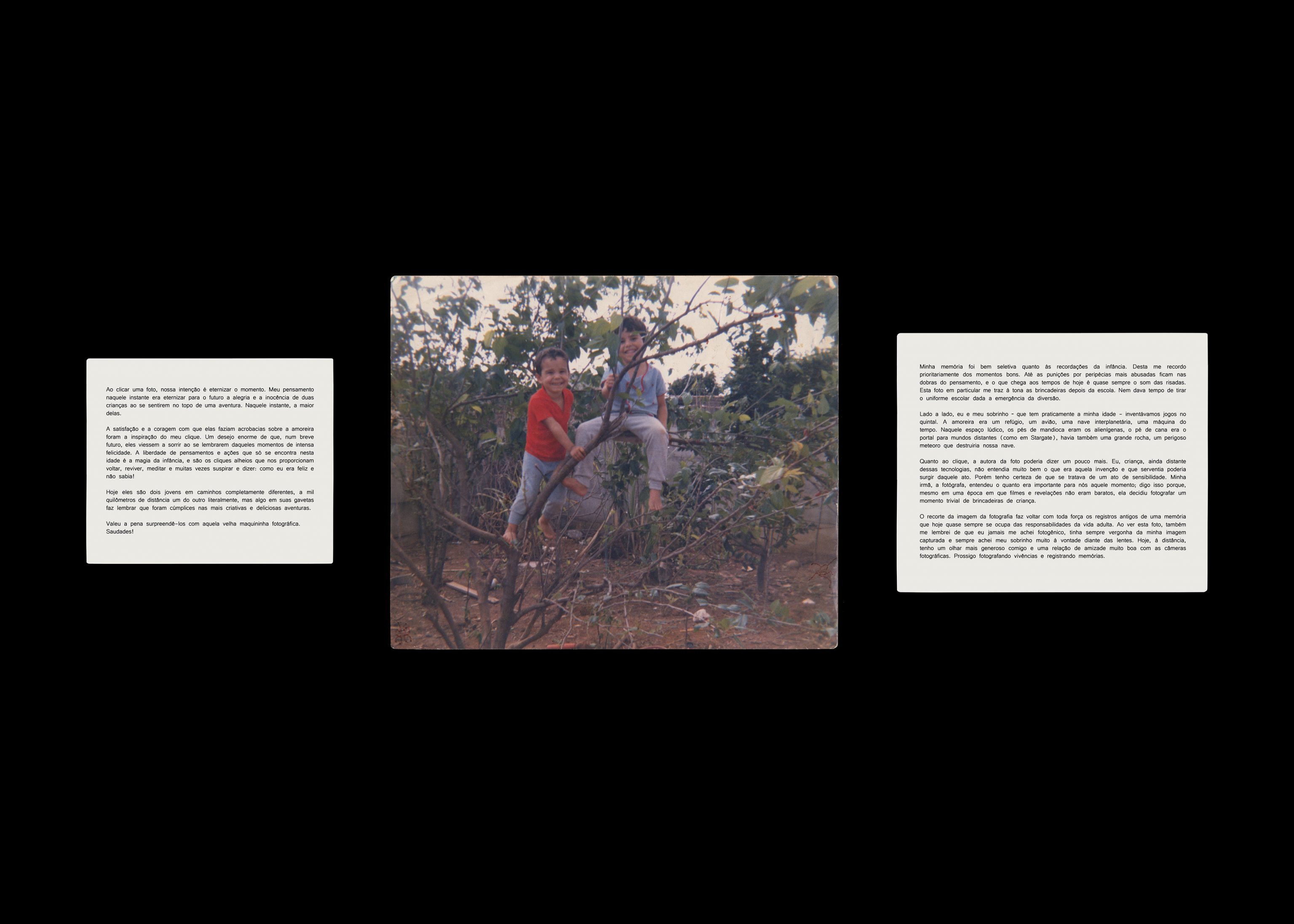
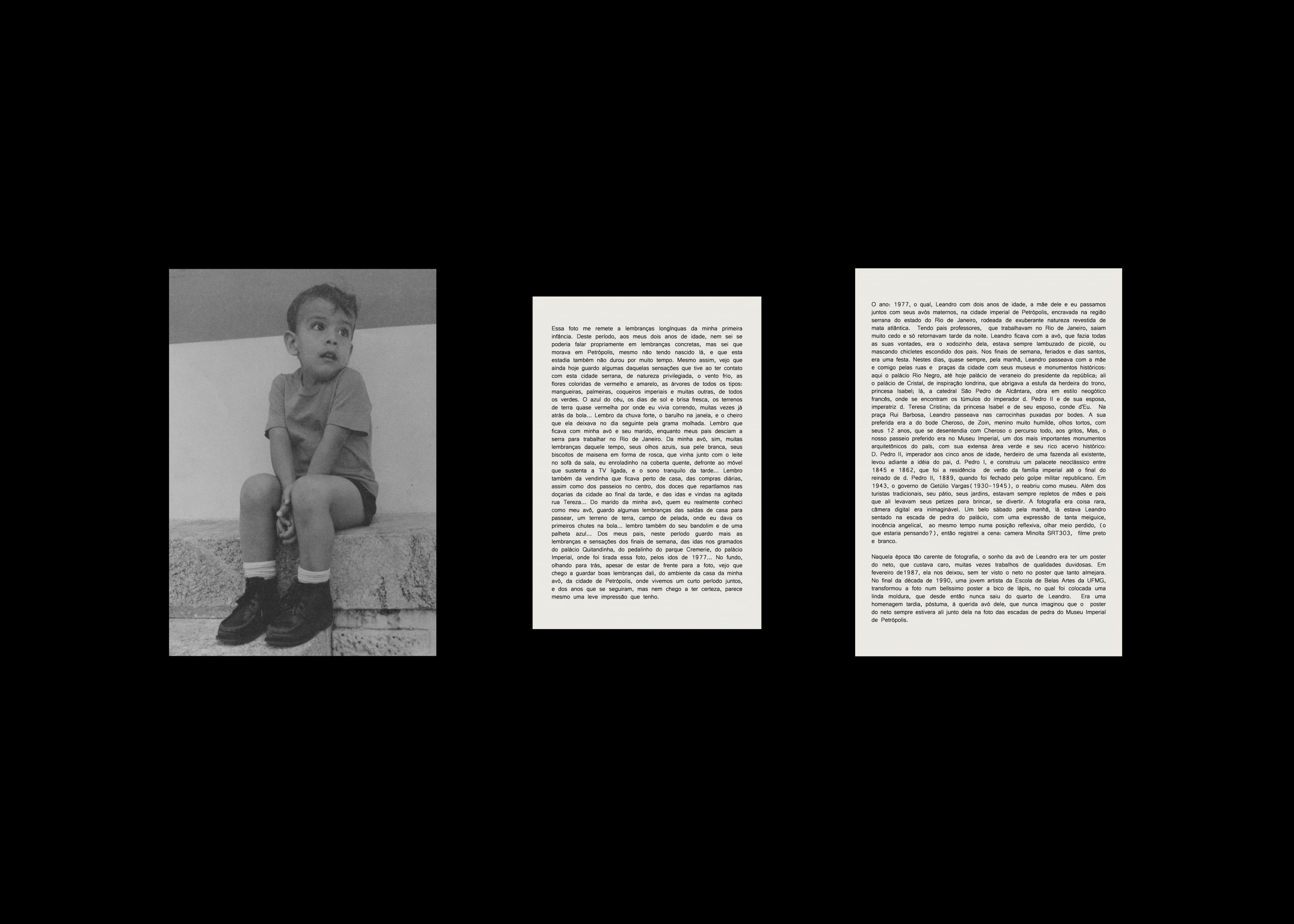
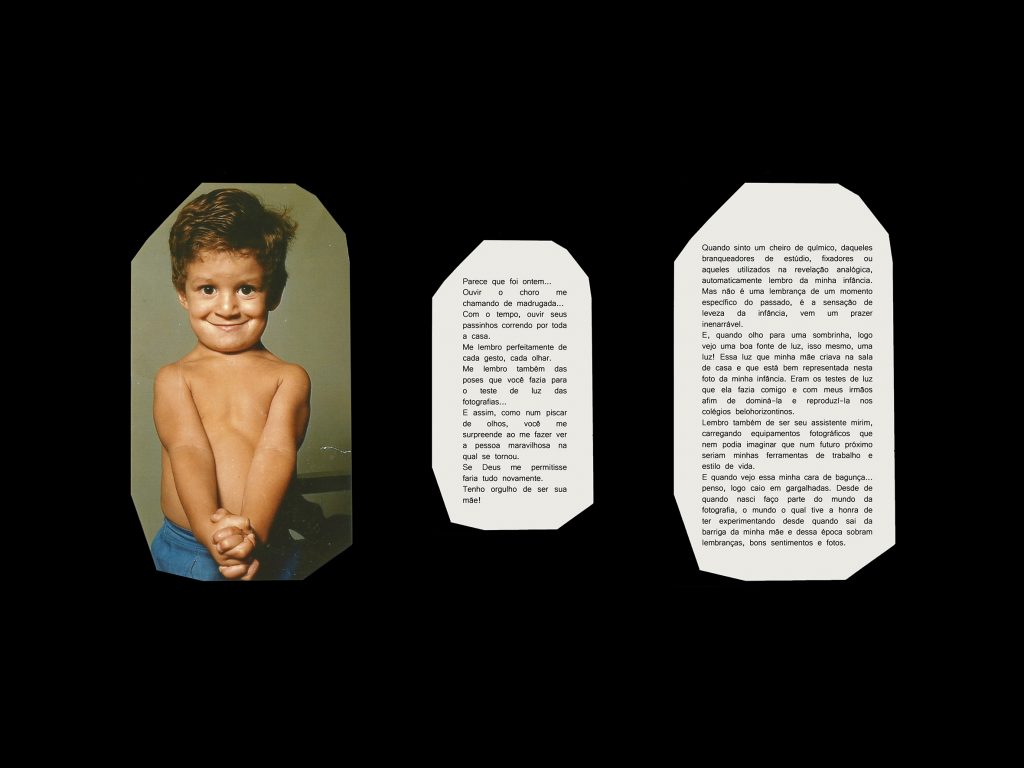
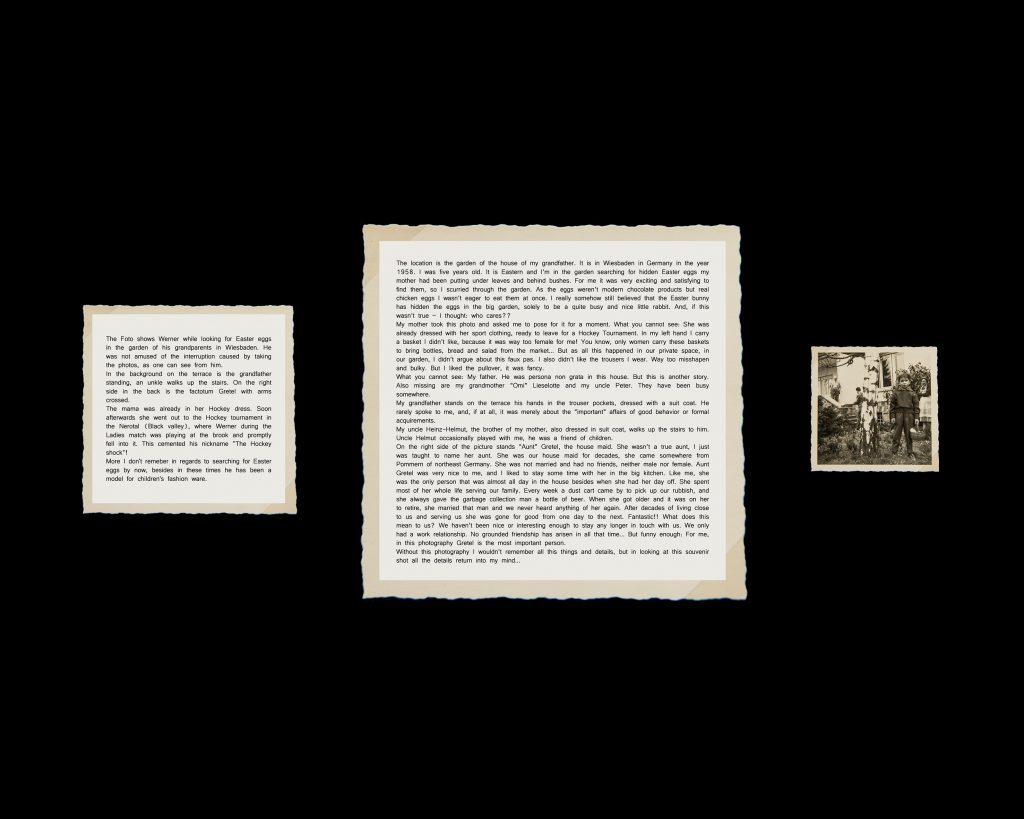
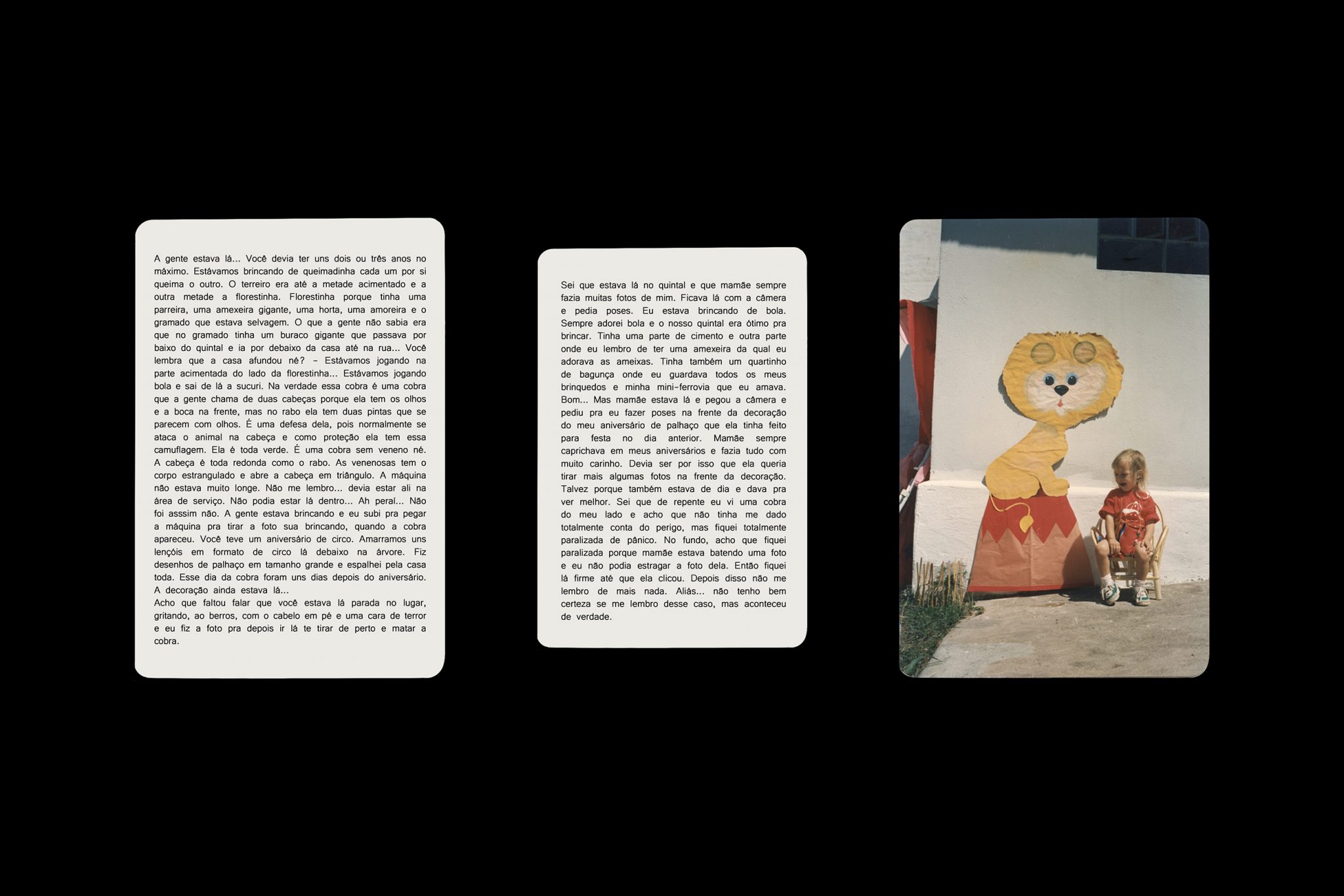
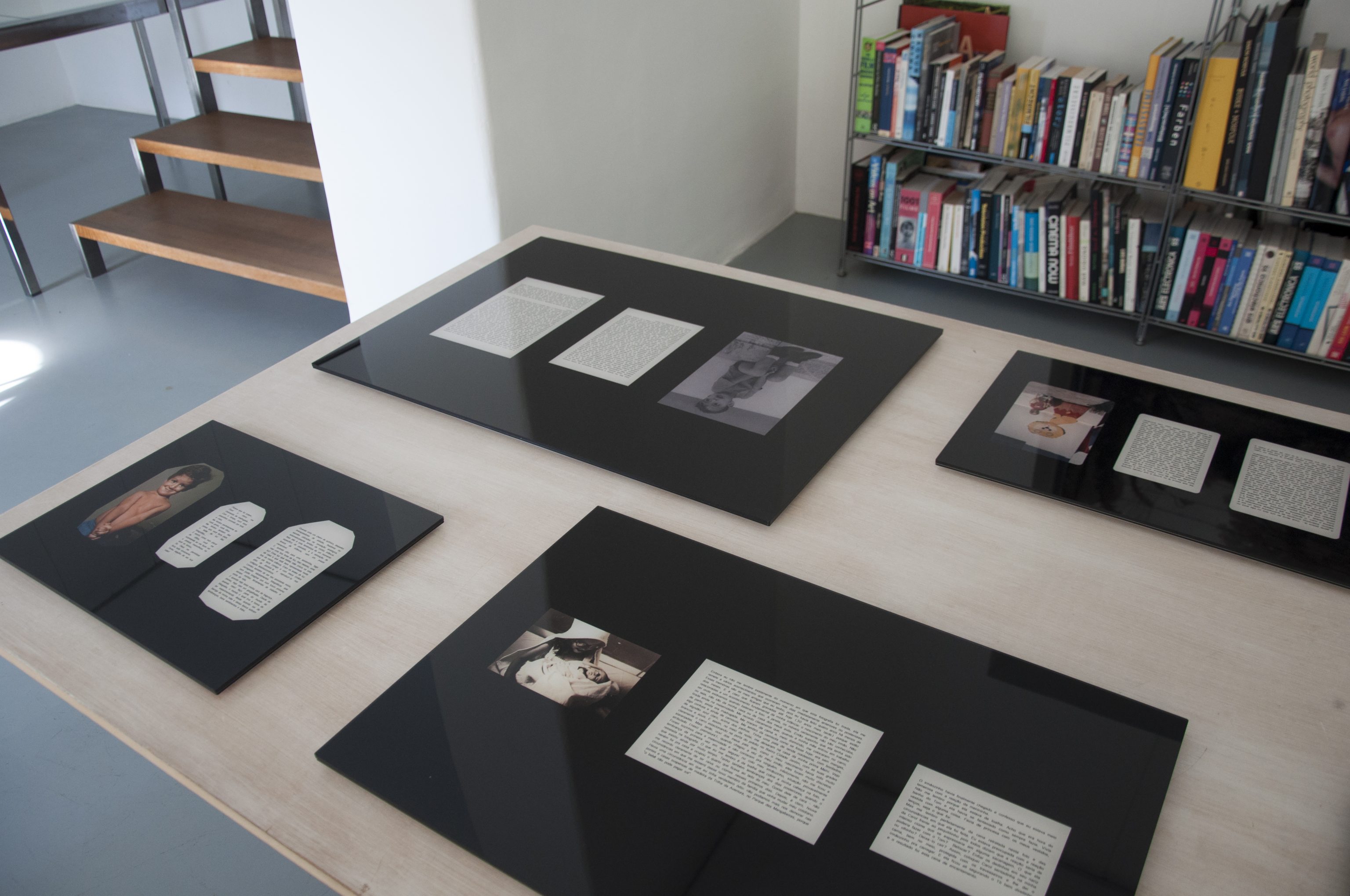
Backyard (Quintal) is a field research presented as an artwork in which one can discover mnemonic images in texts and photos. It is inspired by the possibility of finding the potential of invention and creation in recollections.

If one can remember something looking at a photo from childhood, this photo serves as a strong image to push this remembrances to the present, but while time goes, they are a bit forgotten, veiled and opaque, and then invention takes place.

This work tries to find a dialogue between memory, forgetfulness and invention displaying side-by-side a photography, a text written by the photographed person and another text written by the photographer. It shows through this multiple approaches, the different and possible ways to experience and remember a certain moment of our lives. 

Technique: Digital collage and direct print on acrylic mounted over Alu-dibond plate.

Format: Various

Place of forgetfulness

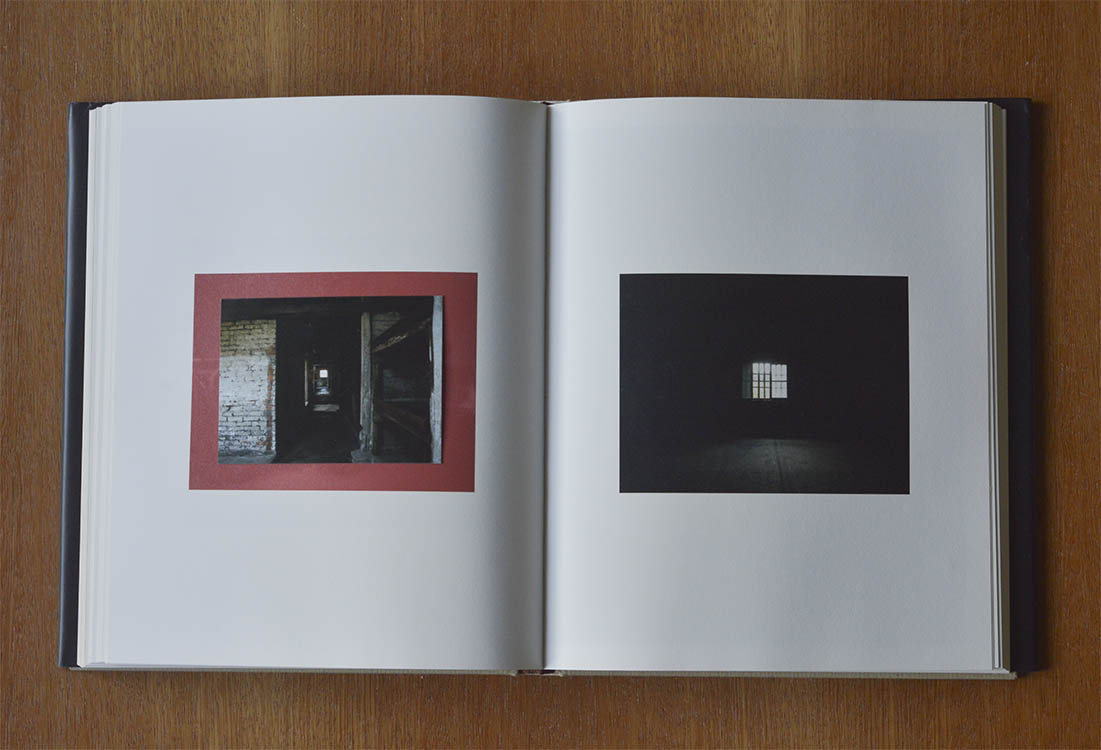
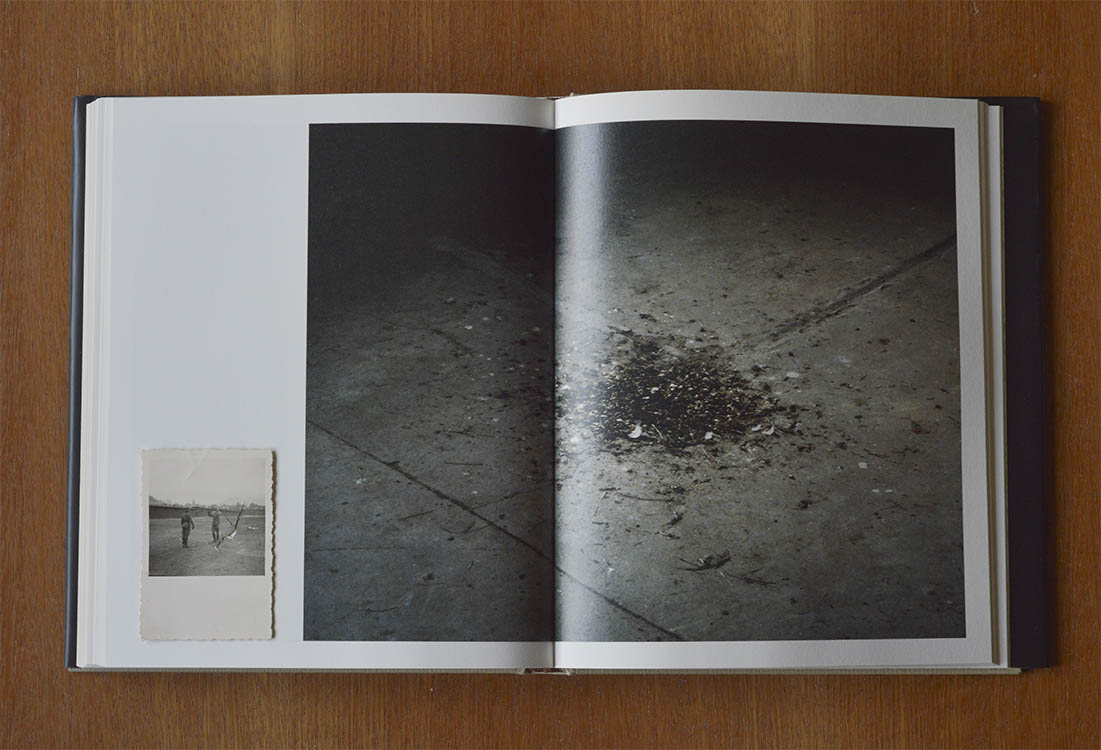
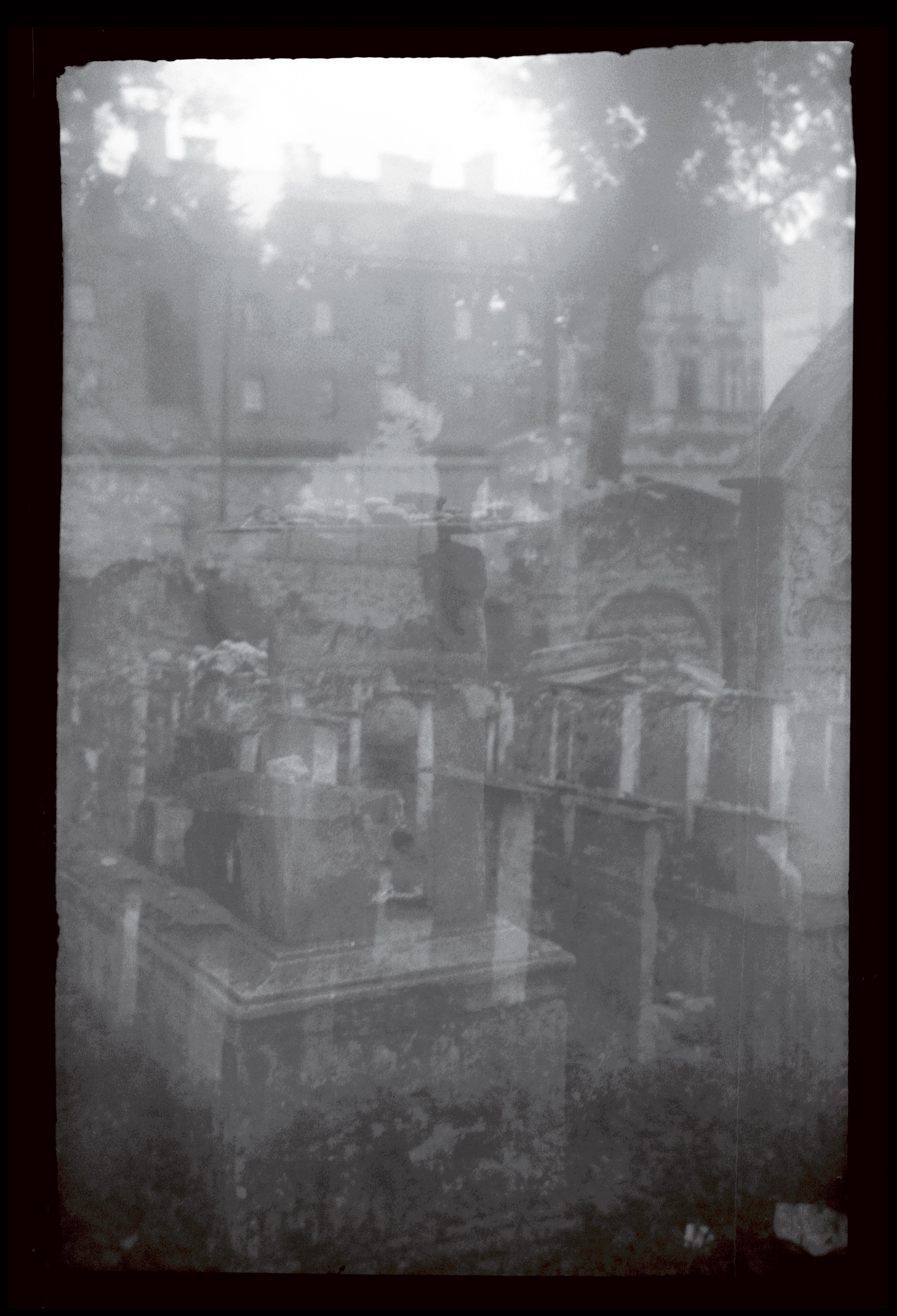
Place of fogetfulness is an artwork that deals with the idea of oblivion approached on real architectures. Auschwitz I, Poland, is showed here, in a mixture of photography and drawing, as an invitation for the viewer to think over the oppression of power structures and the consequences of this our lives.

Technique: Analogue photography, nankim drawing and collage techniques. Digital fine art print over Hahnemühle Torchon paper.

Format: 1,10 x 1,70m

In the shadows

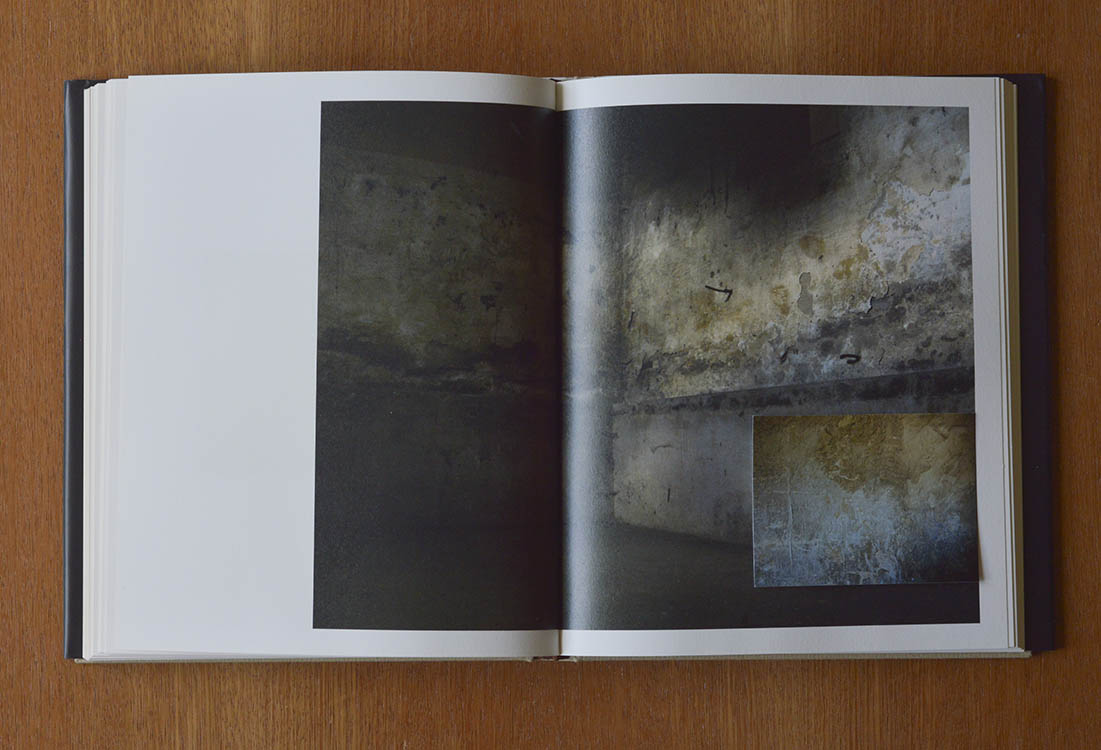
In the shadows (À Sombra) is a photographic series related to the dark areas of our mind and memory. The overlapping texts and draws made by the people who lived in this place and by the relatives and others who have been there all over the years until now, are the presence of time in layers, memory in each signature like a palimpsest.

This site, named Birkenau or Auschwitz II, in Poland, is the place of forgetfulness. Persons, cultures, entire communities were brought there to be extinguished and forgotten. The photographed marks left by so many who have gone there, are silent screams that one could not hear anymore, because the sound is gone with time, but also they were not heard at the real time, when from there many screamed.

There is no other place in the world, which is so closely related
with forgetfulness then this one. The railway has its end in the middle of the field. This is the end of the line.

Technique: Digital photography printed on acrylic and mounted over Alu-Dibond plate.

Format: 75 X 50cm

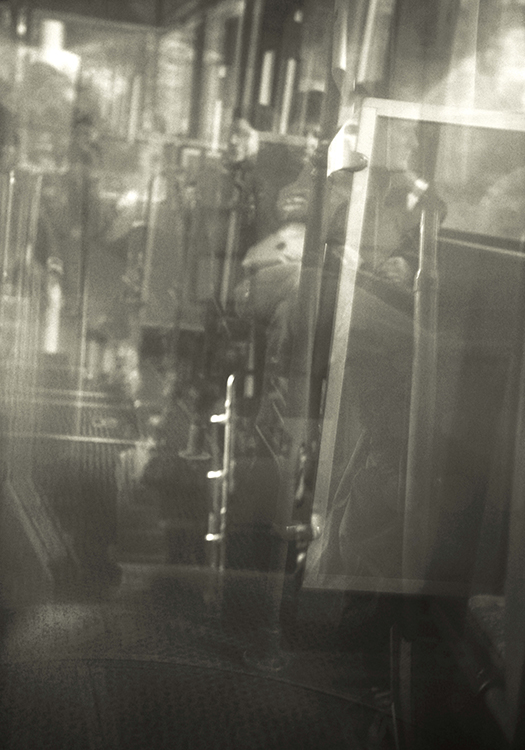
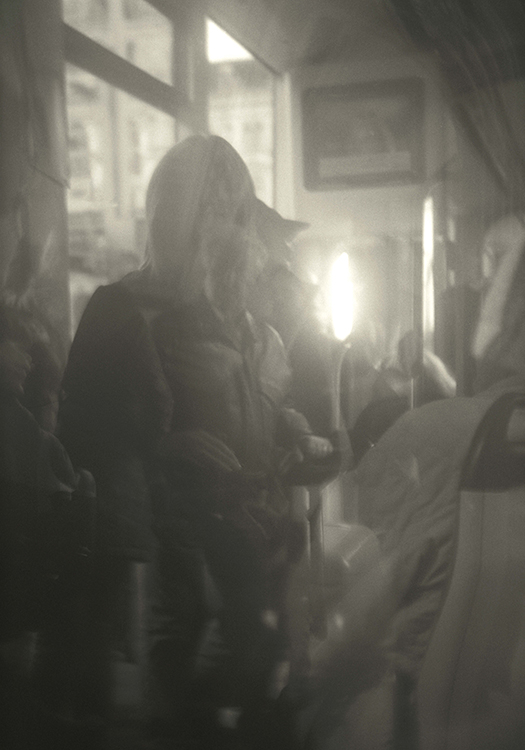
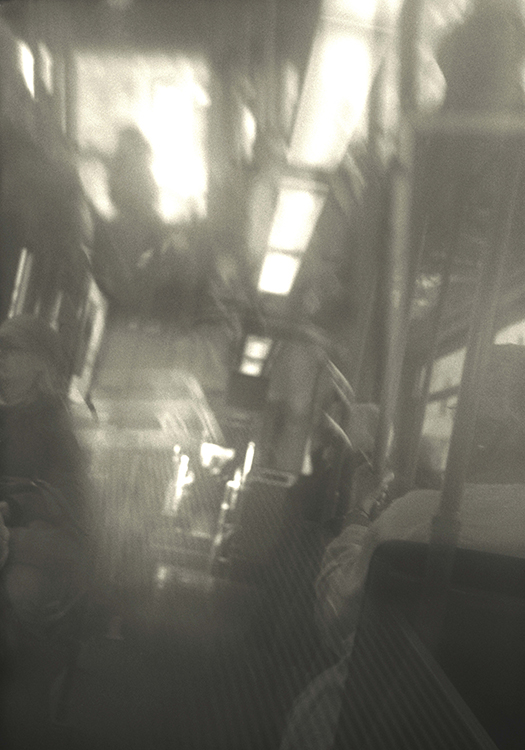
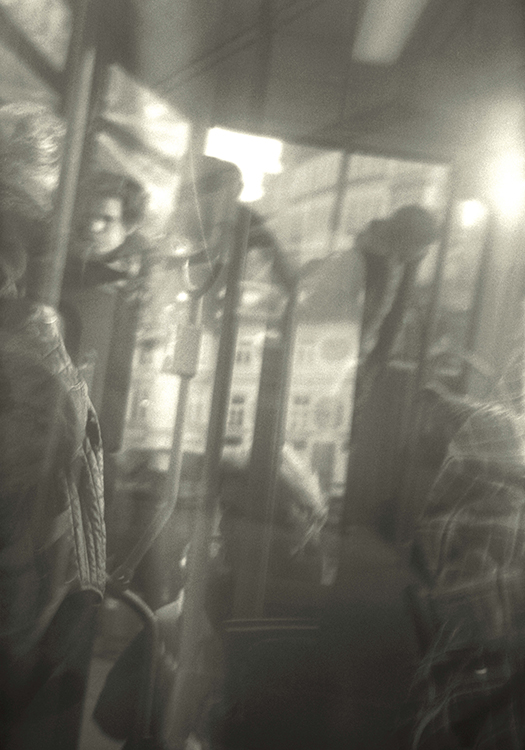
Passersby

Passersby (Transeuntes) is a photographic series which investigates the potency of time in images. It presents a time-lapse created by art. “Estimating time lapses. Remembering involves estimating time lapses. Different time lapses, like different spatial magnitudes, are represented by differing small scale models in one’s thought.” (Aristotle in De memoria et Reminiscentia). 

The overlapping of each image invites the viewer to recreate the movements of every new instant. In the photos one could see the residue of the city, of the people and their path. The present is confused with the past between the layers and the result is a moment that nobody actually lived, therefore this is a creation made while travelling through time to find its elements.

Reservoir of Time

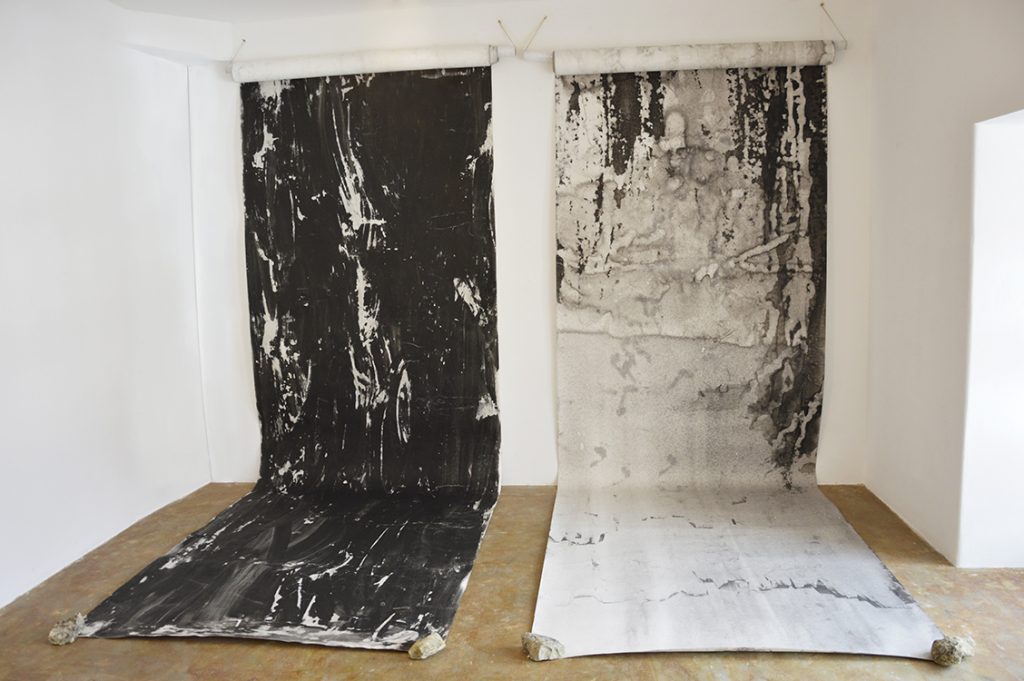
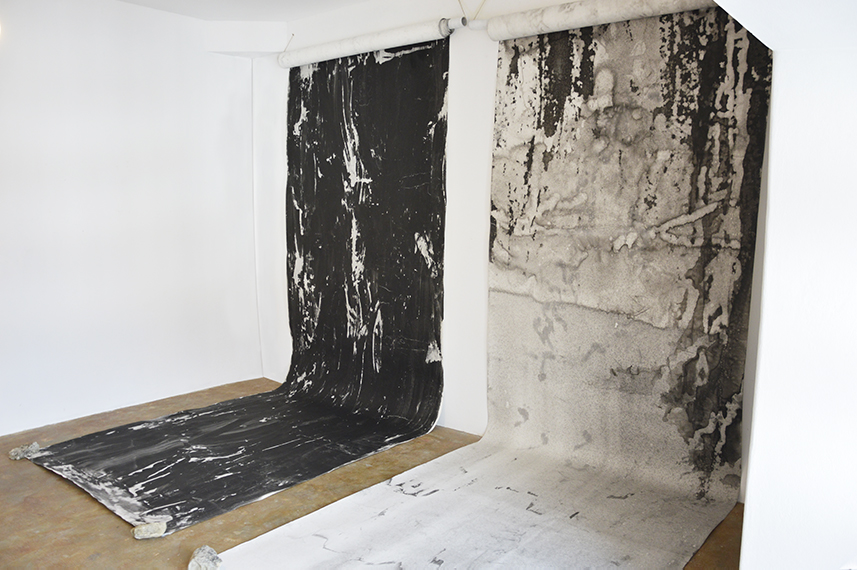
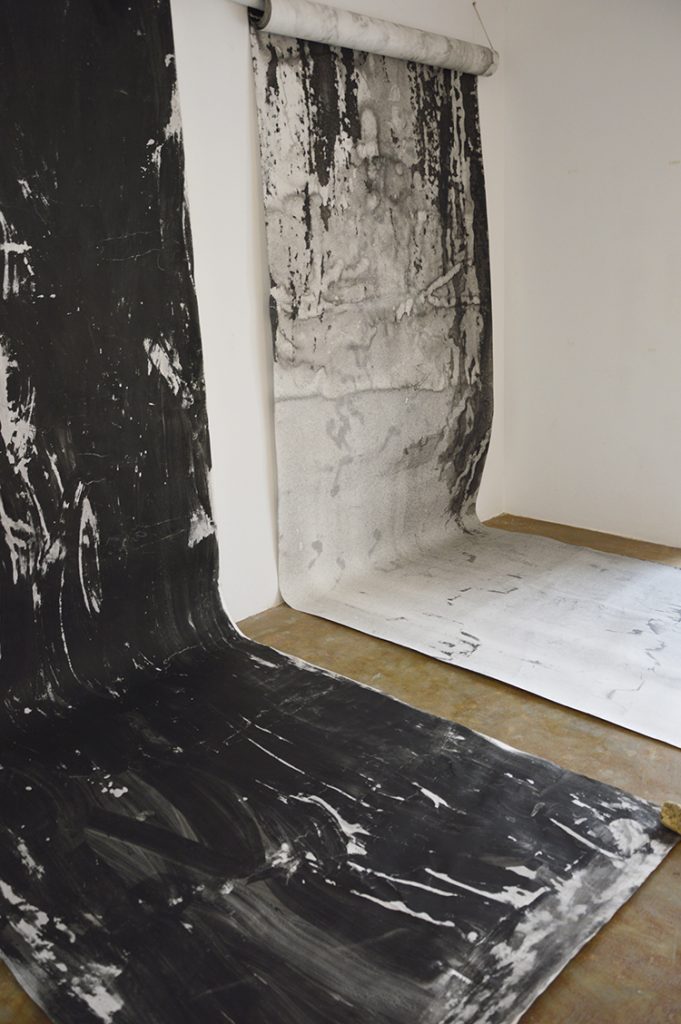
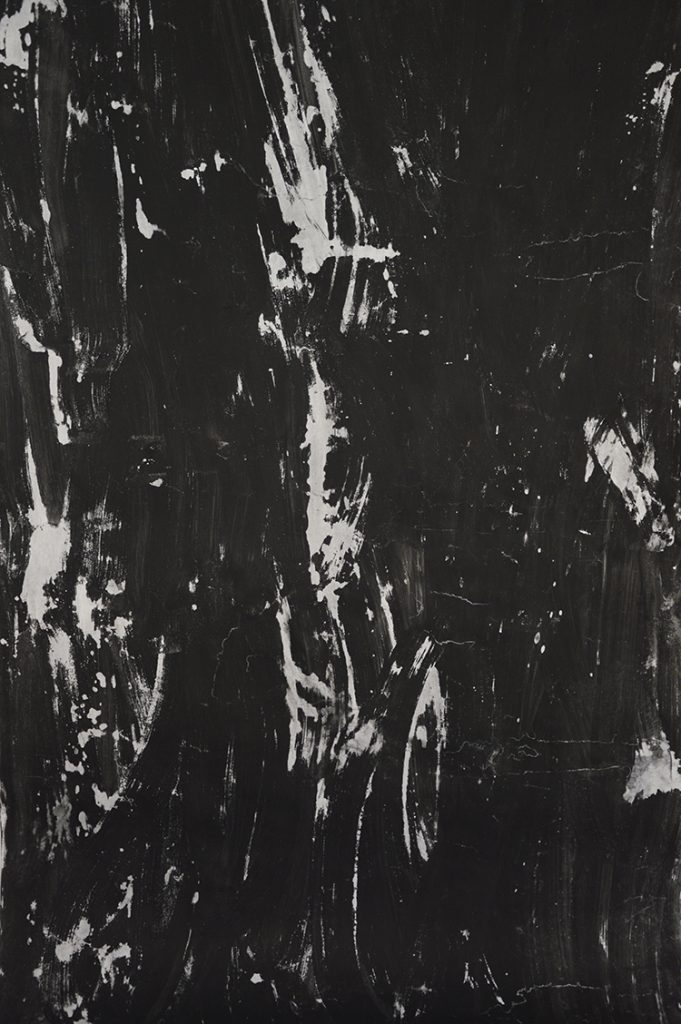
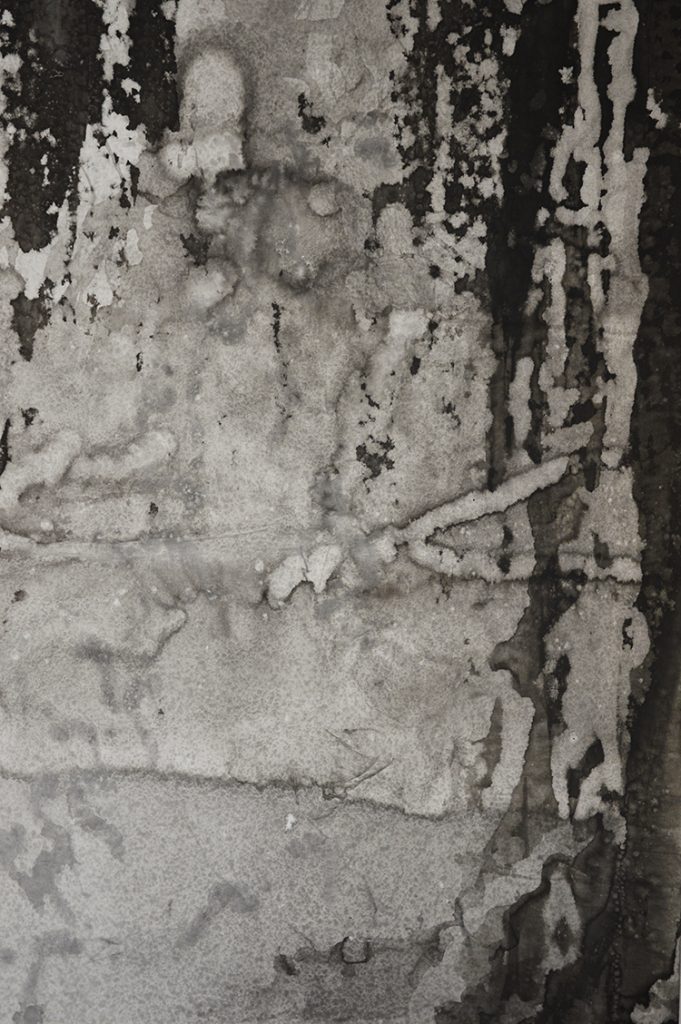
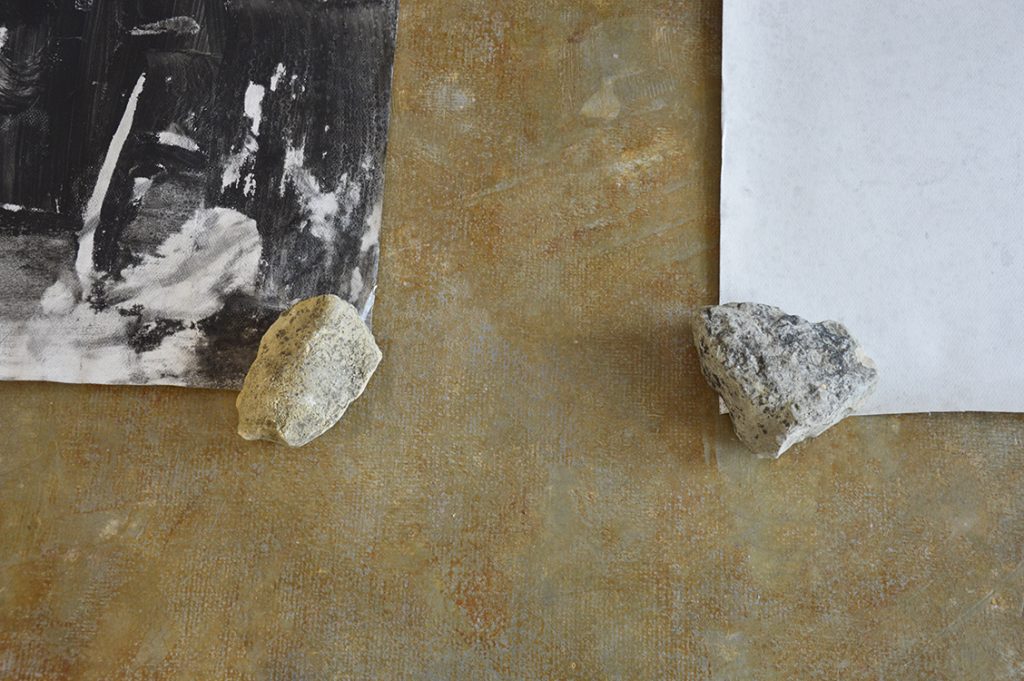
Reservoir of Time is a series of works including  two paintings on paper (10m X 1m), two paintings on canvas (1,60m X 1,50m) and a video/performance. 

The artist investigates the topic Time through the contact with nature by bringing the material and the ink to the spots and working together with the nature elements present at the moment, for example: sea water and sand, wind and rain, etc. 

The concept, which brings the basal ideas to this work of art, approaches the topic time and investigates it through the water present in nature.  Time is usually measured by light and is intrinsic related to the earth movements: rotation and translation. This means that usually society take as reference a movement expressed by an outsider corpus. The sun was chosen as the referential as it is a body located outside everything, even from earth. It is outside but it is present all the time changing life on earth. What the artist considered here is that time exceeds the measurements of a clock. Latin languages use the same word, for example in Portuguese: TEMPO to comprehend chronological time and atmospherical time and this invites to a opened concept of time.

This work of art suggests to the viewer the questions: What is time and how we live time on contemporaneity. One should remember that we are not the masters of our own time, in the sense that time one lives suffers a lot from outside influences, but we can also be aware on how we choose in our everyday life to experience time and how the outside is shaping a different experience of the time in contemporaneity. We should ask what is present, past and future in digital and virtual experiences and how technology absorbers time. It is a big challenge for society to perceive time in the present and this is what this artwork wants to provoke.

This Machine Kills

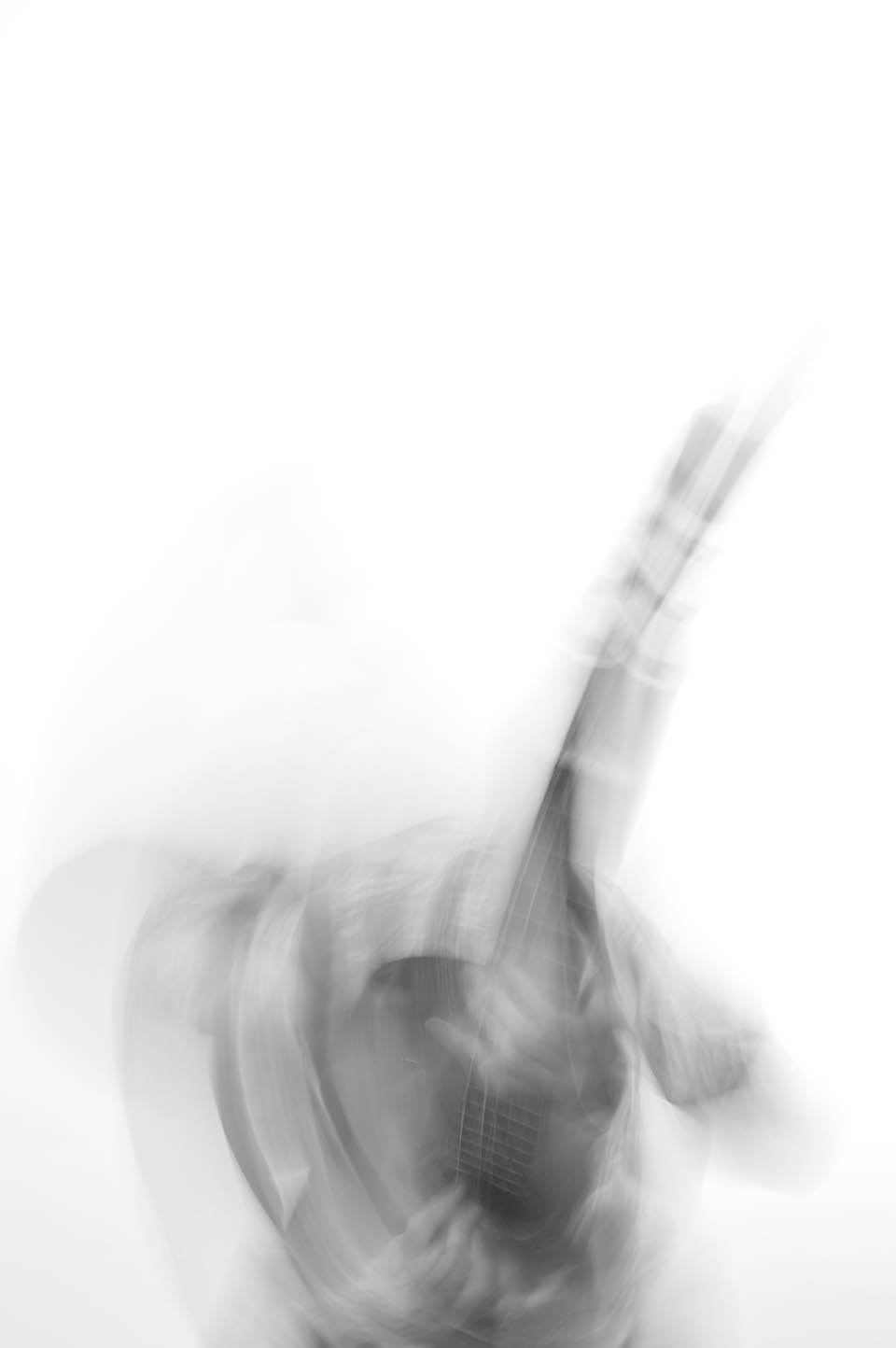
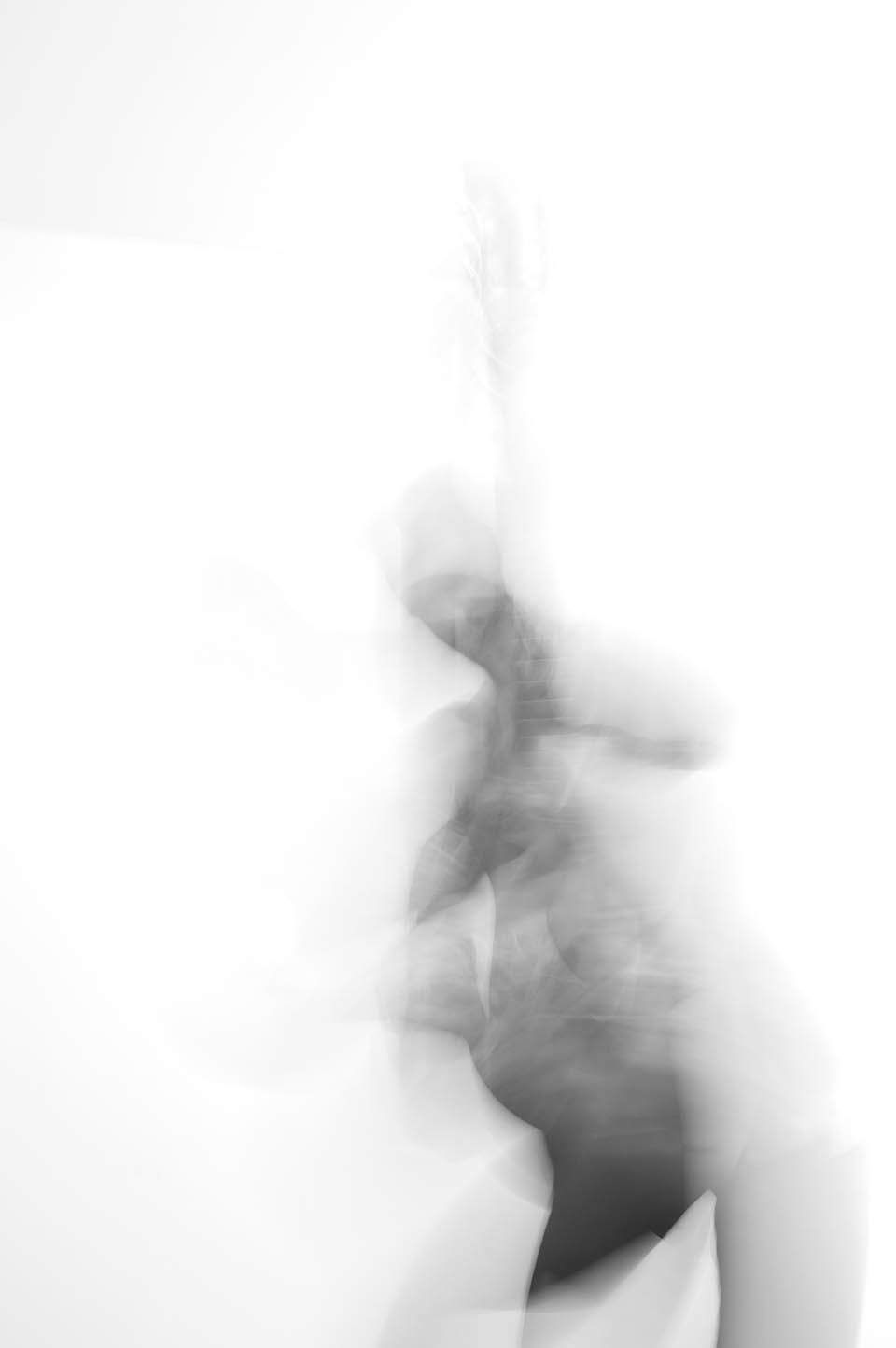
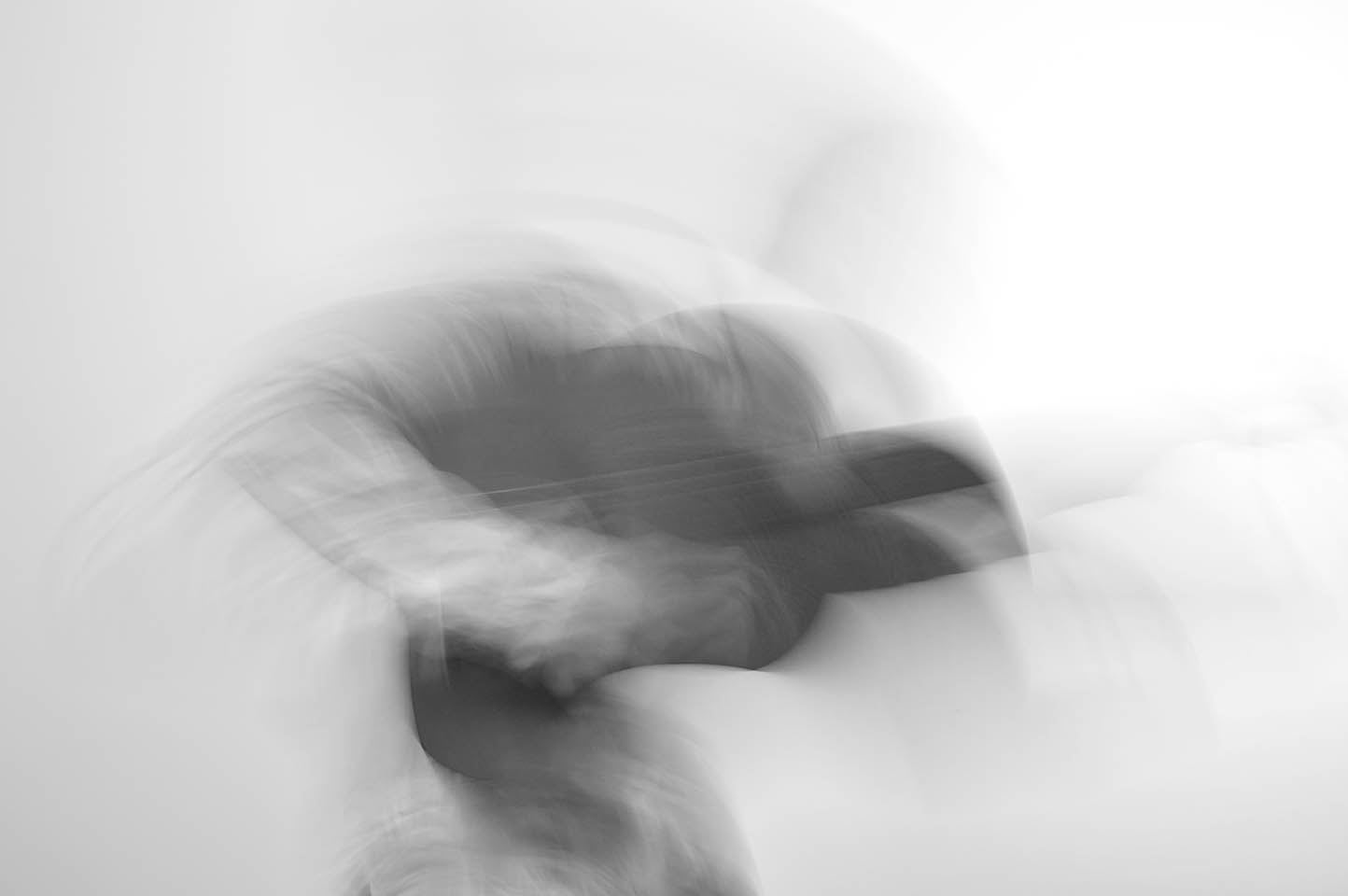
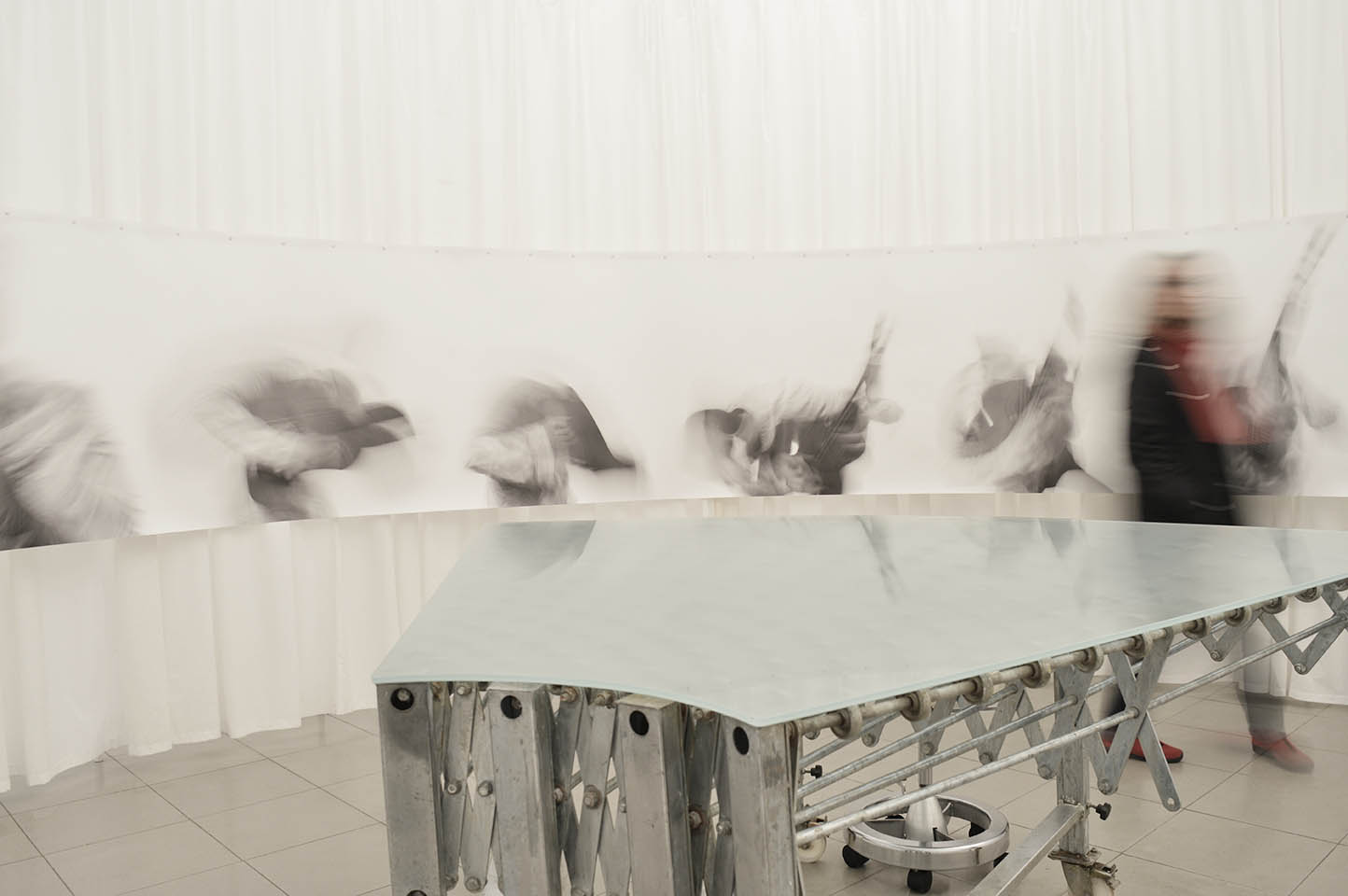
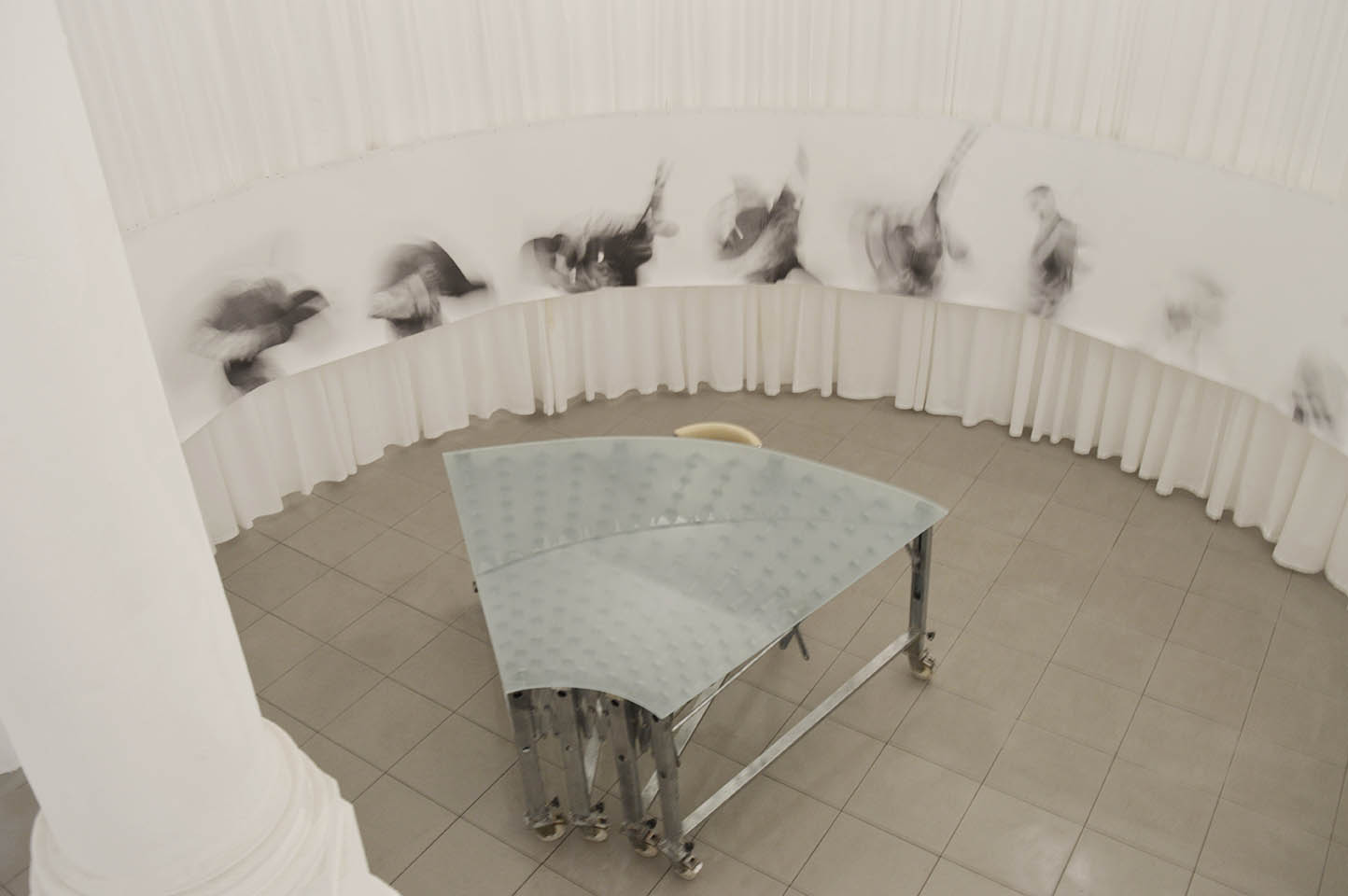
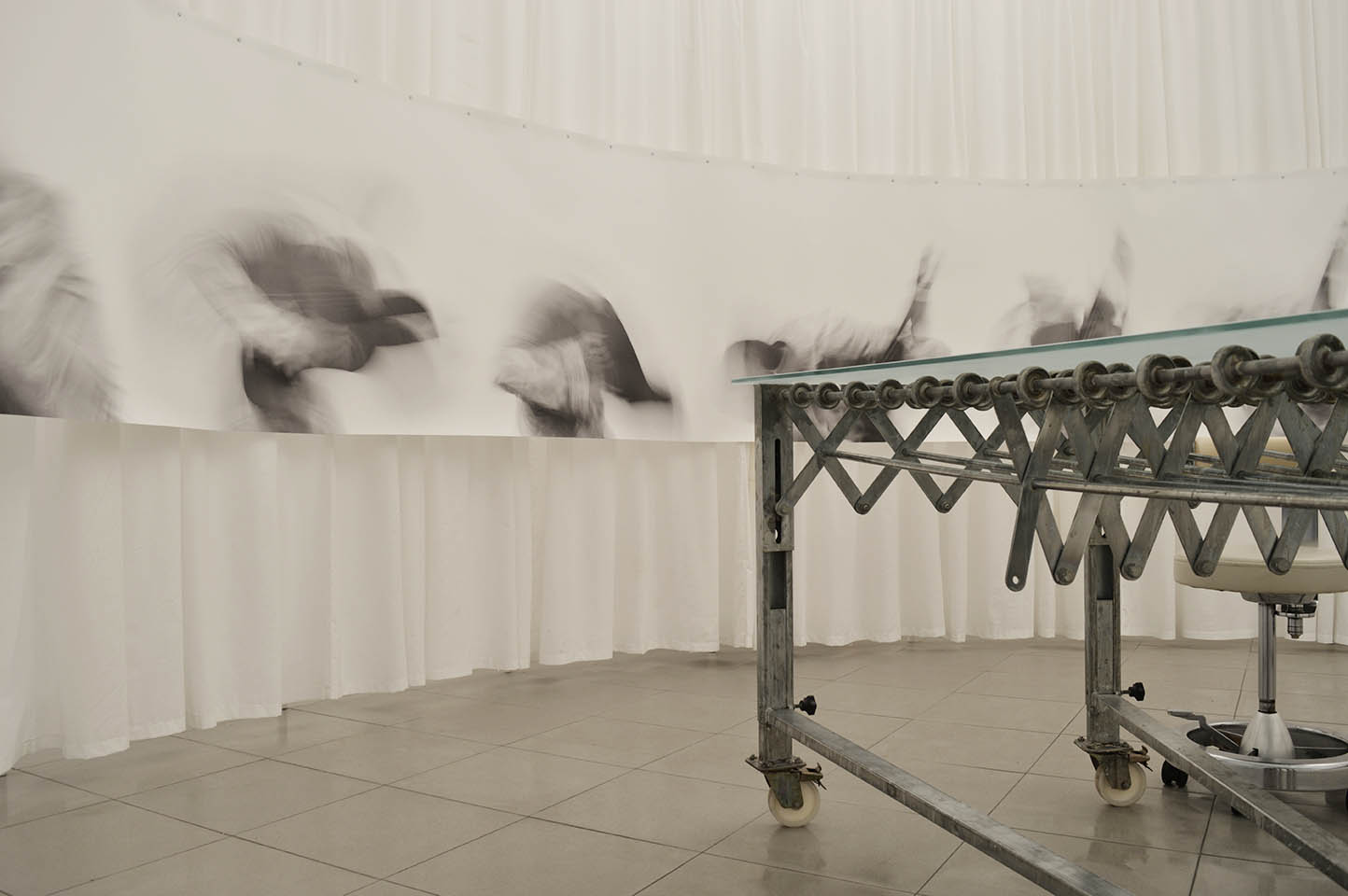
This Machine Kills is a collective project of Bruna Mibielli, Halisson Silva (BR) and Tales Sabará (BR), promoted by Colégio das Artes, Universidade de Coimbra and presented at the Quarto 22, an art gallery that instigates artists to occupy its round space.

The work of art consists of an installation created initially from a series of photographic records made by Bruna Mibielli of a performance staged by Halisson Silva. From this point Tales Sabará was invited to join the project.

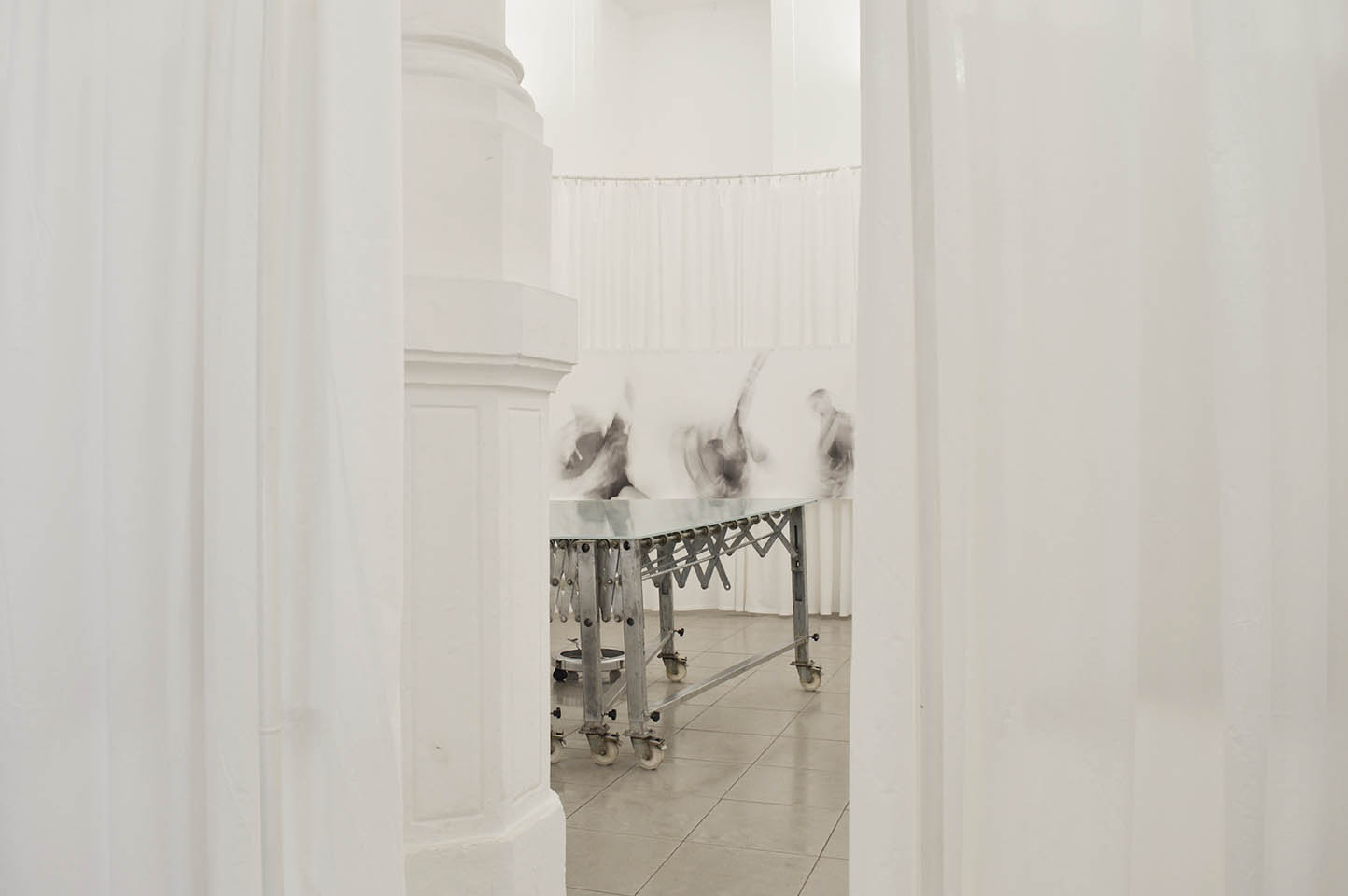
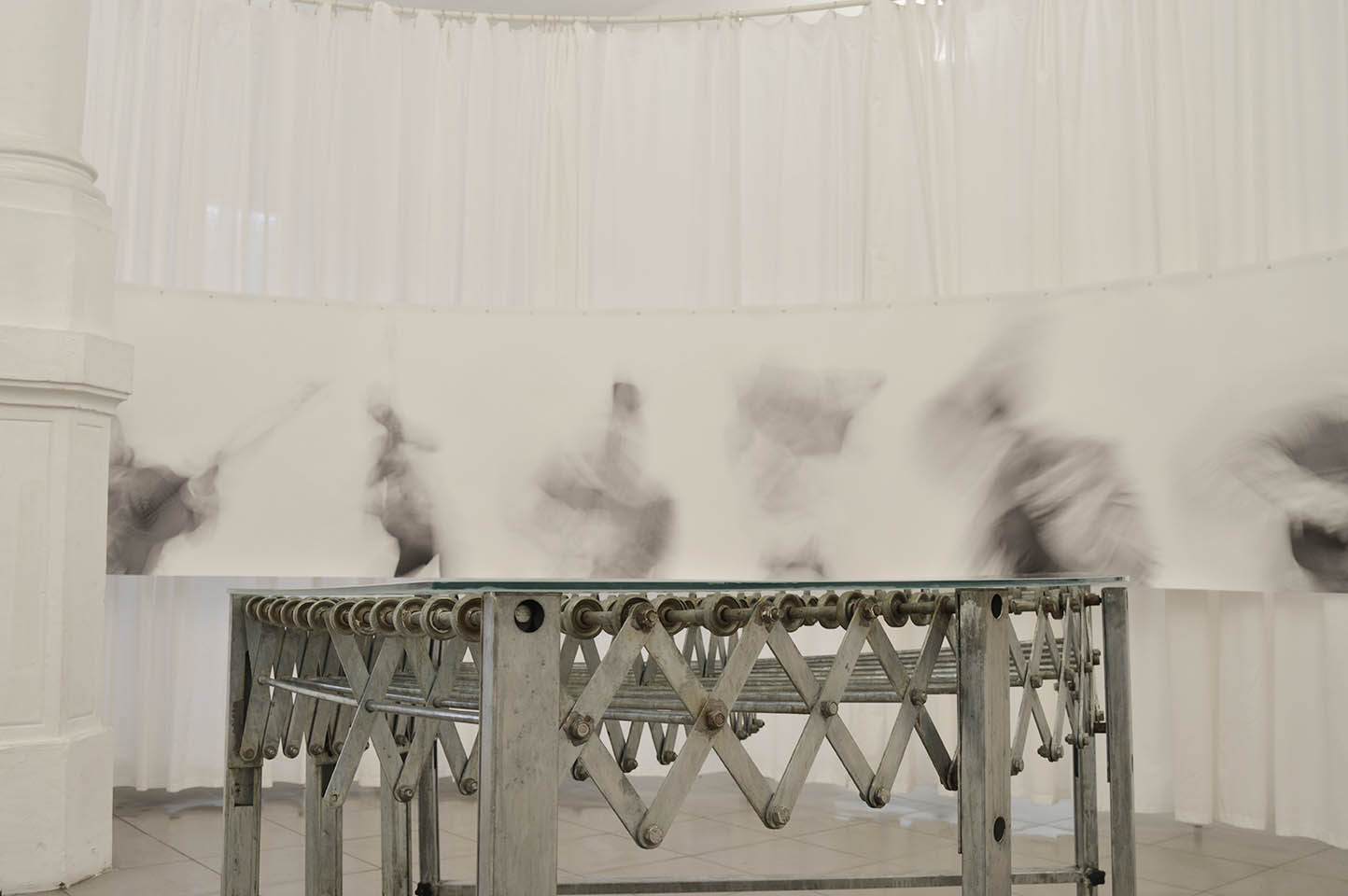
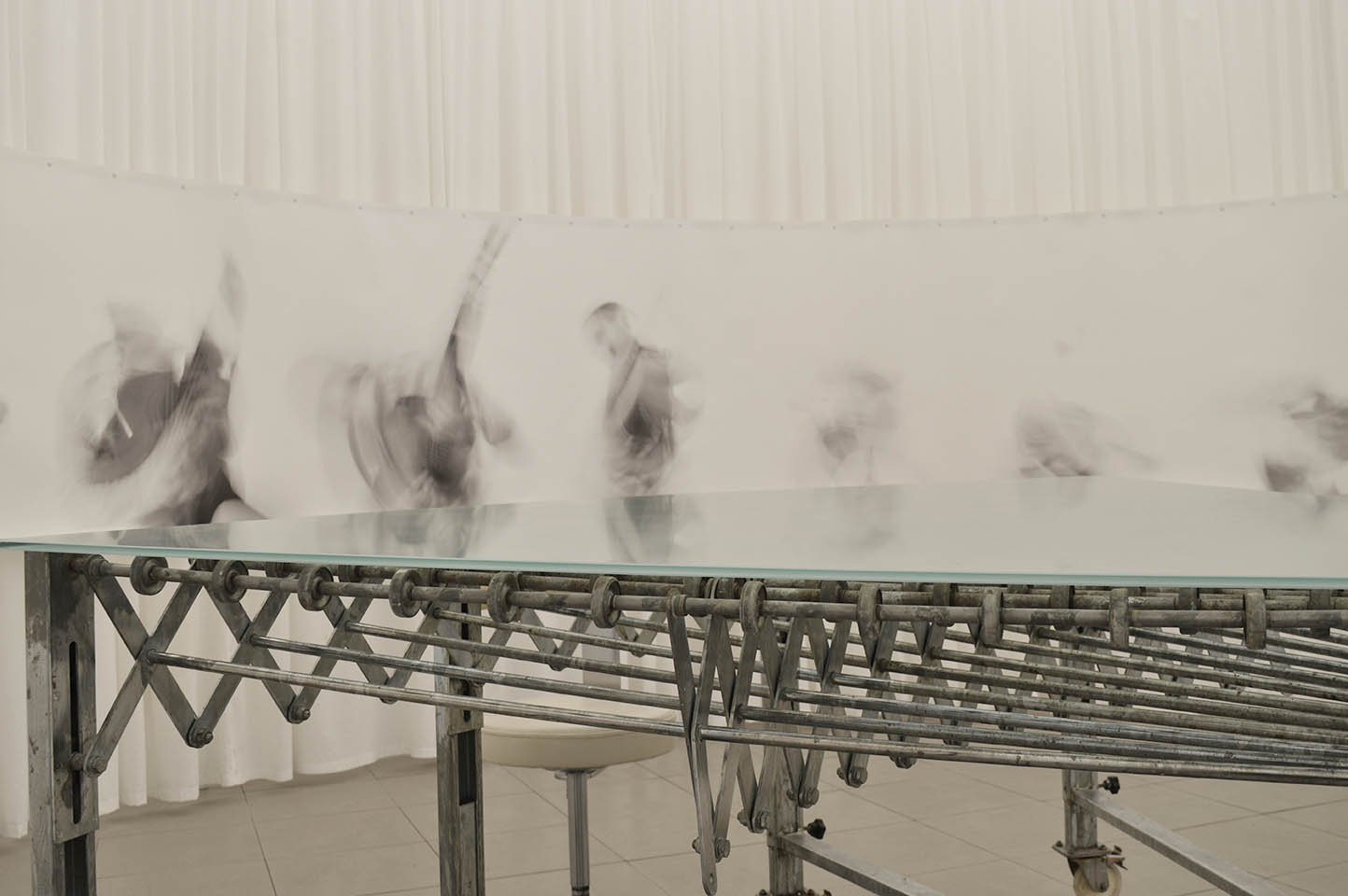
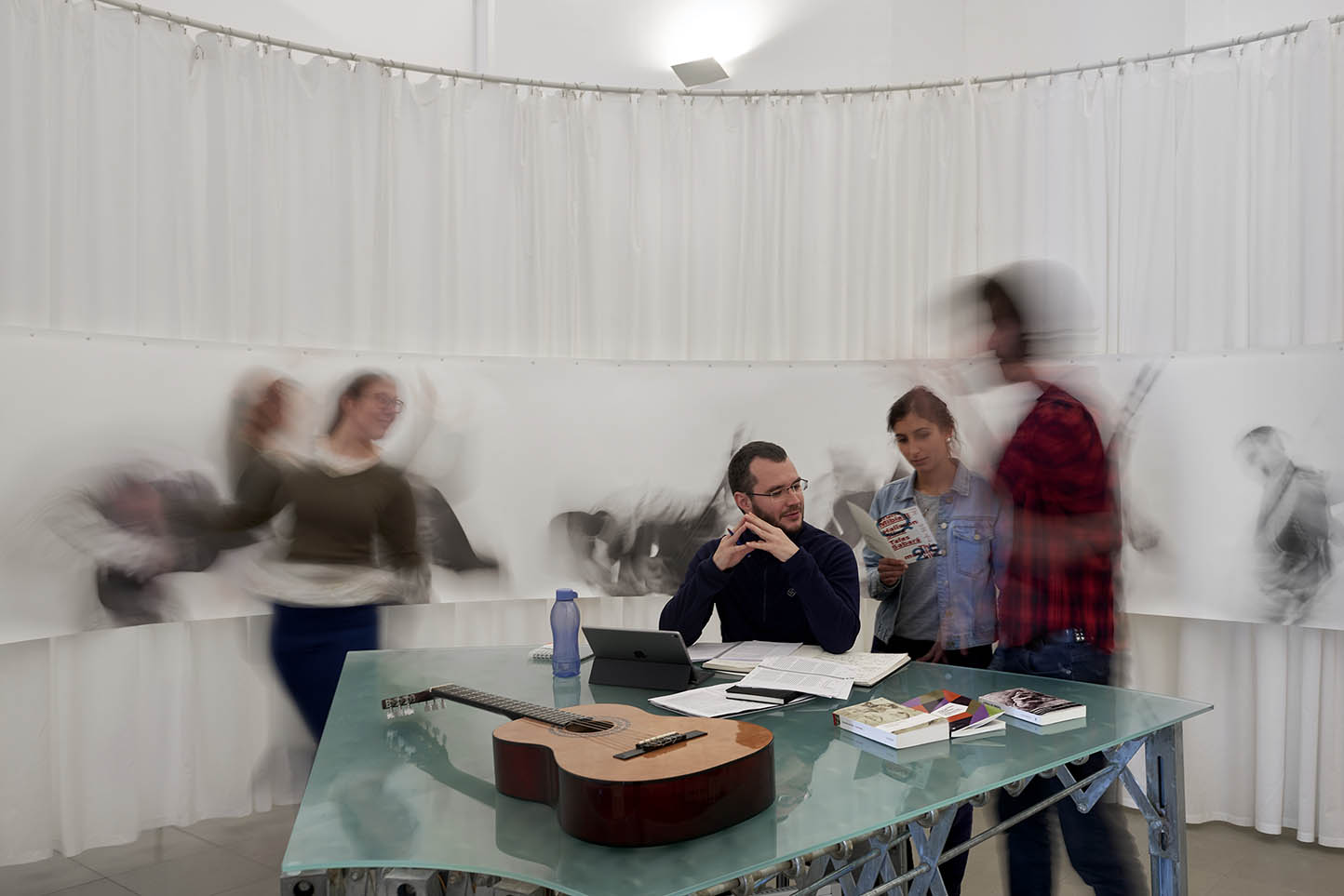
Thus, this material was edited by the trio of artists and configured in a photographic assembly, in panoramic format of exact 18,04 meters. The piece was designed exclusively for the exhibition space, and its dimension corresponds to the circumference of the room.
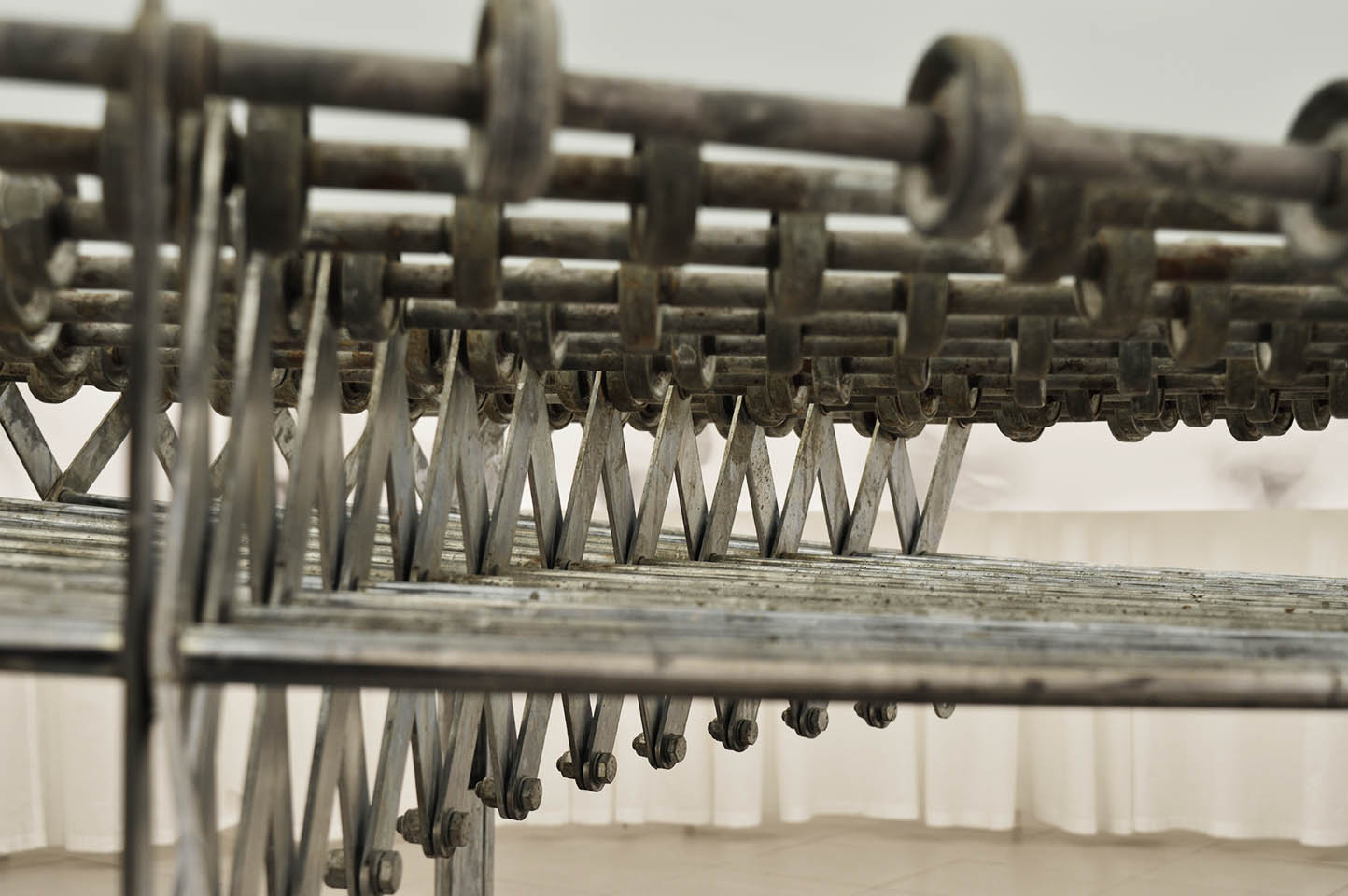
More than a specific site, the piece is endowed with a strangeness in which it articulates with a table / machine. The set creates differences and nuances that intertwine and play in the various contents that organize the exhibition, whether visual, political, critical or conceptual.
During the exhibition (16th February until 5th April/2018), the public is confronted with the presence of the artist Halisson Silva, amid a performance in the exhibition space.

“Everything there is set for the show. The curtain, the arena, the guitar, the table and the artist in the center make up the scene. Skirting the arena, images in spots that resemble moving figures. Maybe it’s the audience eager for the beginning …

Little by little, in the attempt to put the pieces together, we discover that everything is more than scenery. When one visit This Machine Kills, in Quarto 22, he/she realizes that there is no presentation in the normal sense of “show”. The spectacle is in the elementary details.

Black-and-white photographs, sometimes confused with charcoal drawings, seem to confront us, to inquire – like the “ghosts” that have been in our memory since childhood. The table, the guitar and the artist participate in a network, embraced by the curtain that hangs on the round space. This arena induces the gaze to move in a circular direction.

In the center of this room, a moment suspense in silence is created, like an island for the intellectual exercise. The space opened in time, moments dedicated on thinking, reflecting, researching, writing, drawing, listening, perceiving and internalising. It’s a nucleus that holds its own and greatest reminiscences.” 

(Sept. 2018, Tales Sabará – Curator)
Archive 1

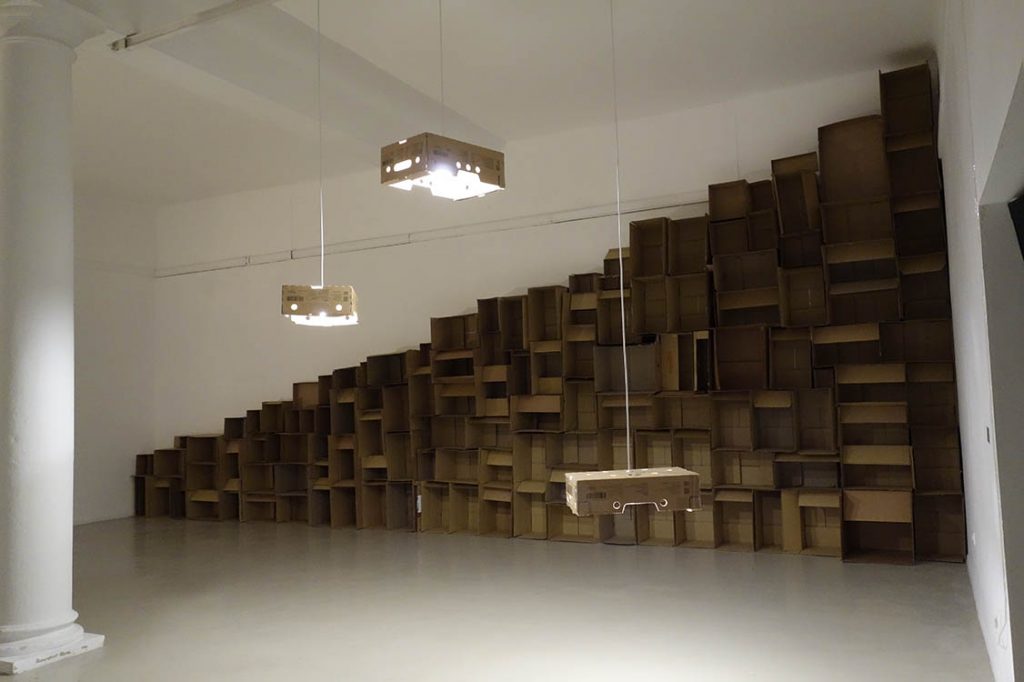
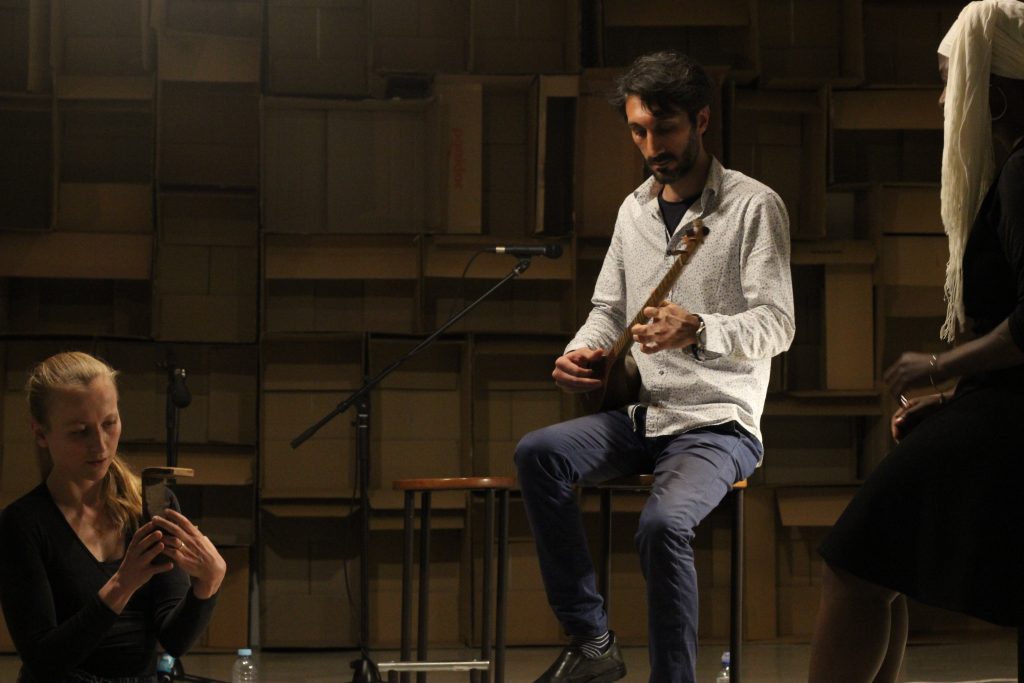
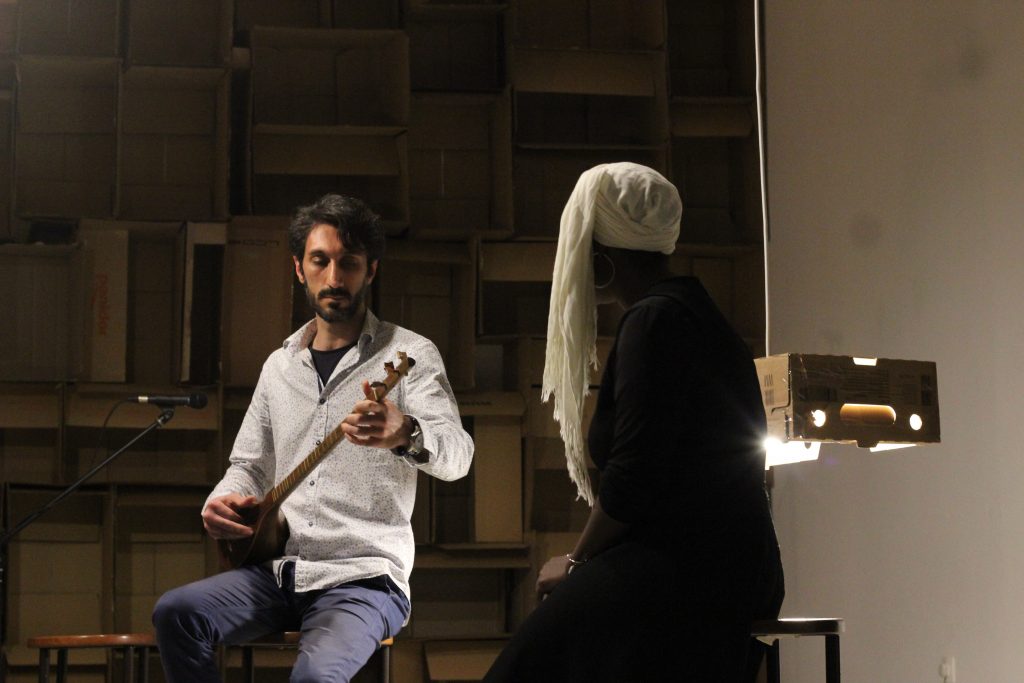
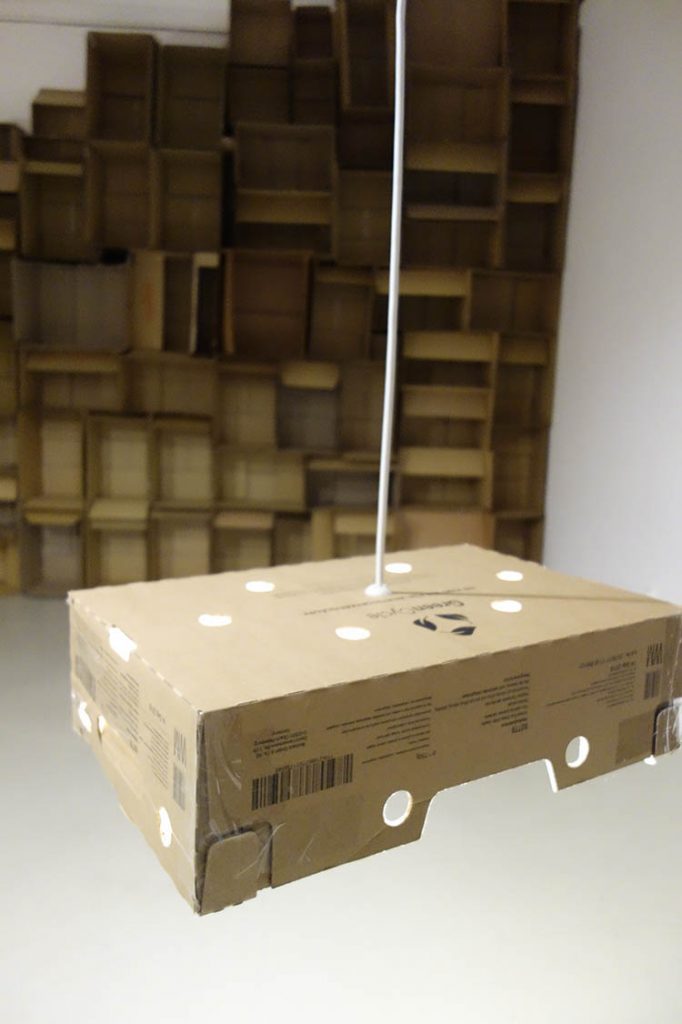
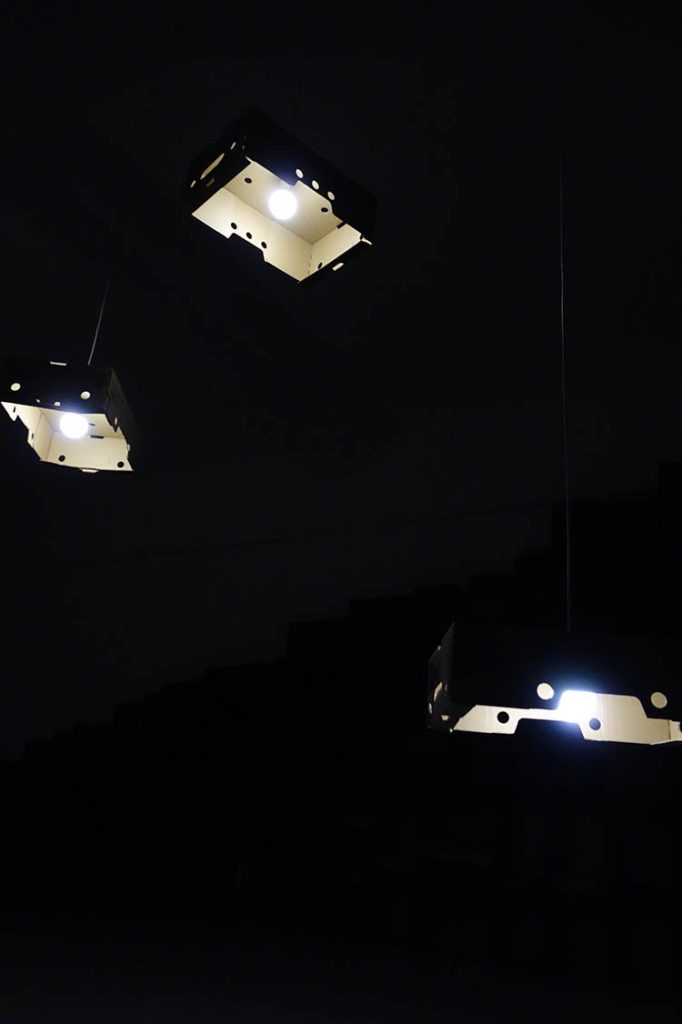
Archive 1: From the cabinet – to the studiolo – to the atlas is an installation/scenario created with gathered cardboard boxes to the exhibition and event of the collective project Le Voyage Continue promoted by the artist and curator Tales Sabará and in cooperation with Angelina Mbulo (MZ) – Music, Inesa Markava (BY) – Performance, Lídia Andrioni (IT) – Architecture, Lucrécia Colominas (AR) – Curator, Nelson Ricardo Martins (BR) – Curator, Sérgio Fagundes (BR) – Literature and Vahid Rasouli (IR) – Music. Presented at Laboratório de Curadoria, Universidade de Coimbra, Portugal on May 2018.
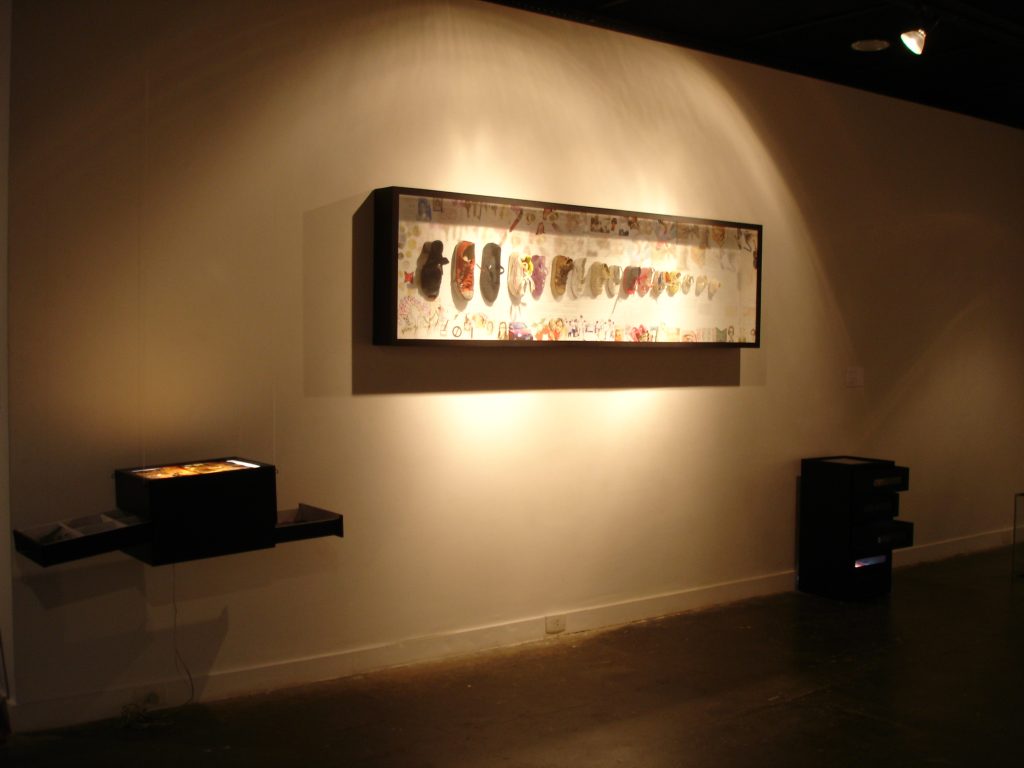
Timeline

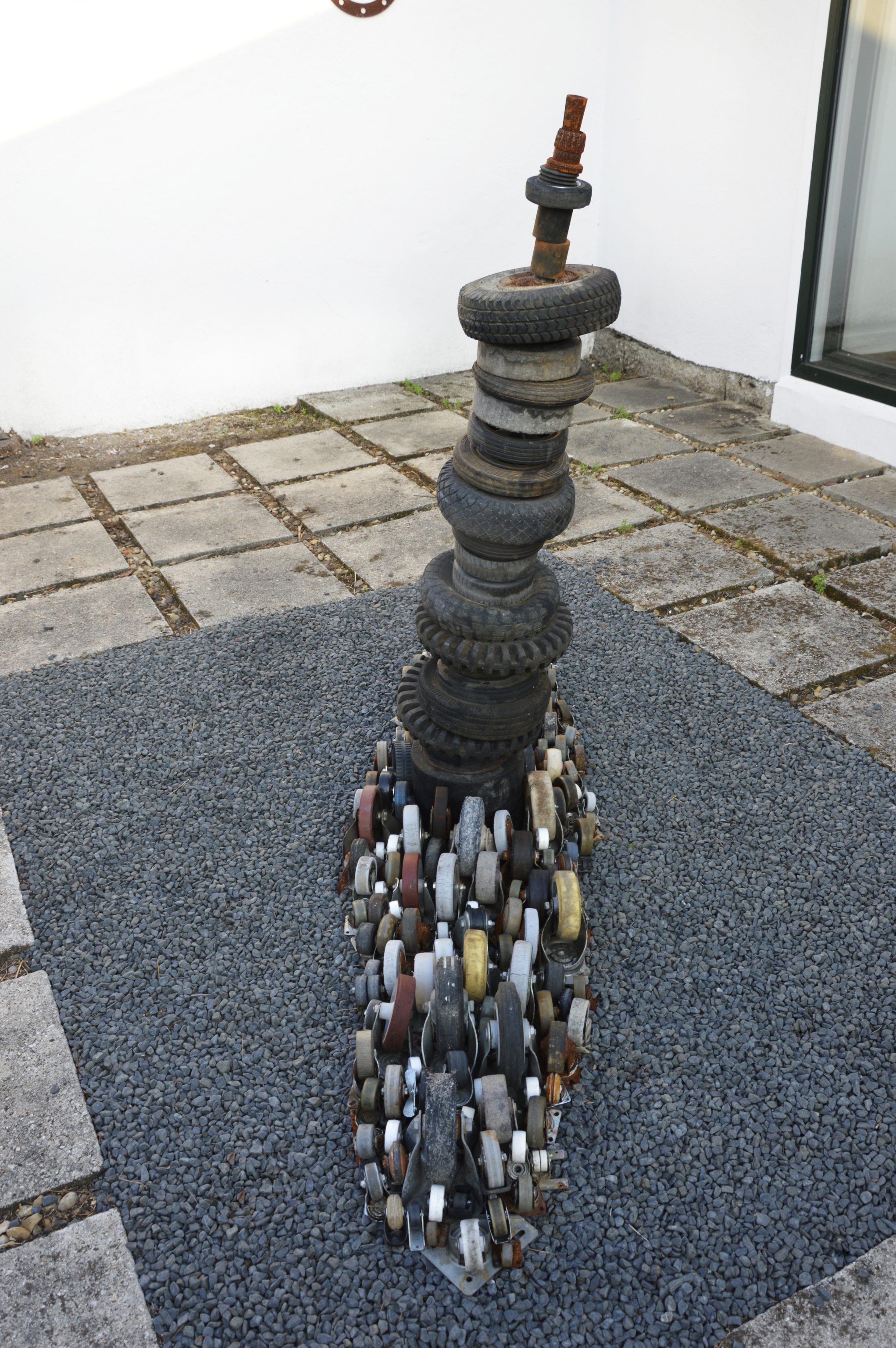
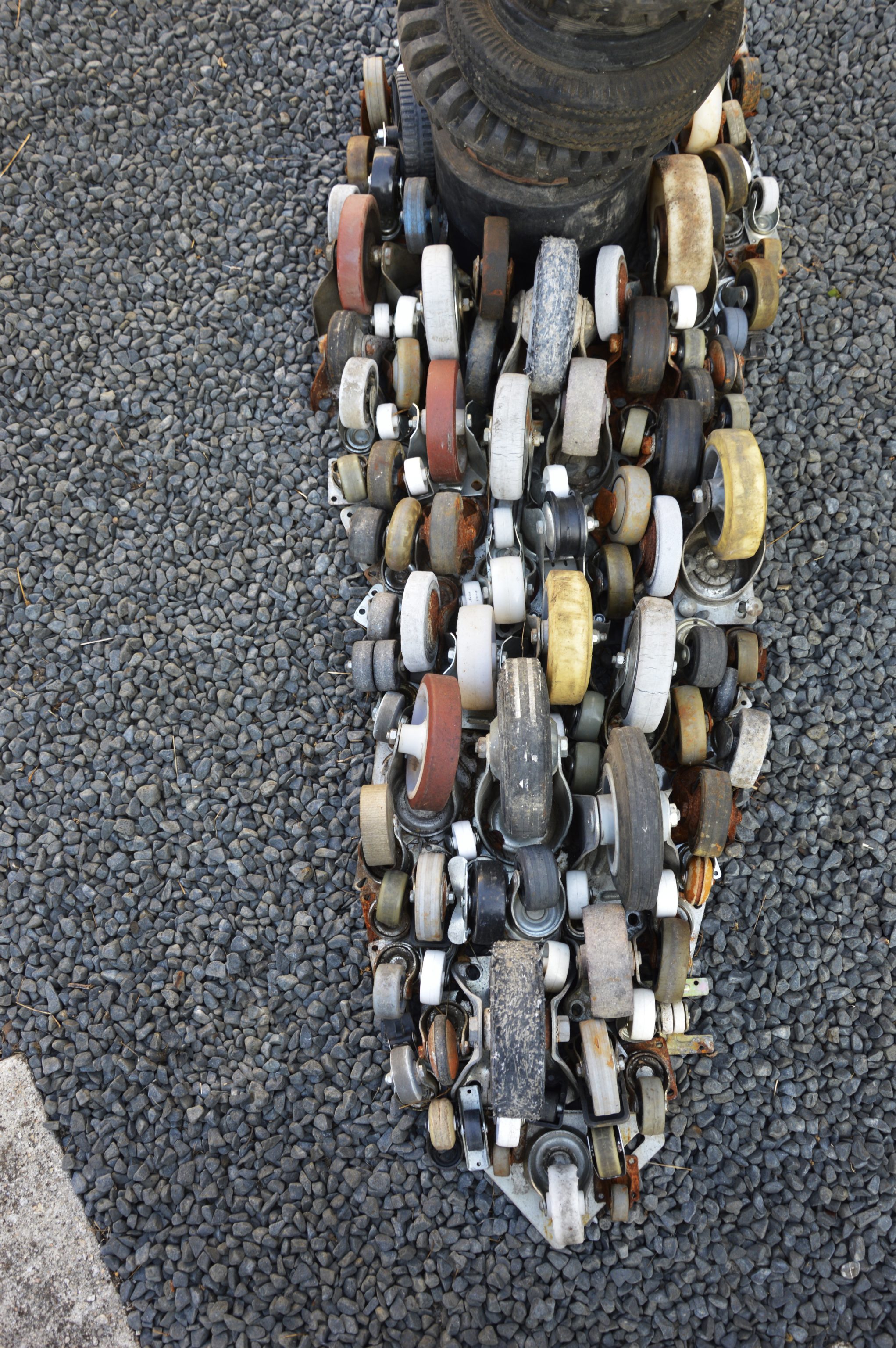
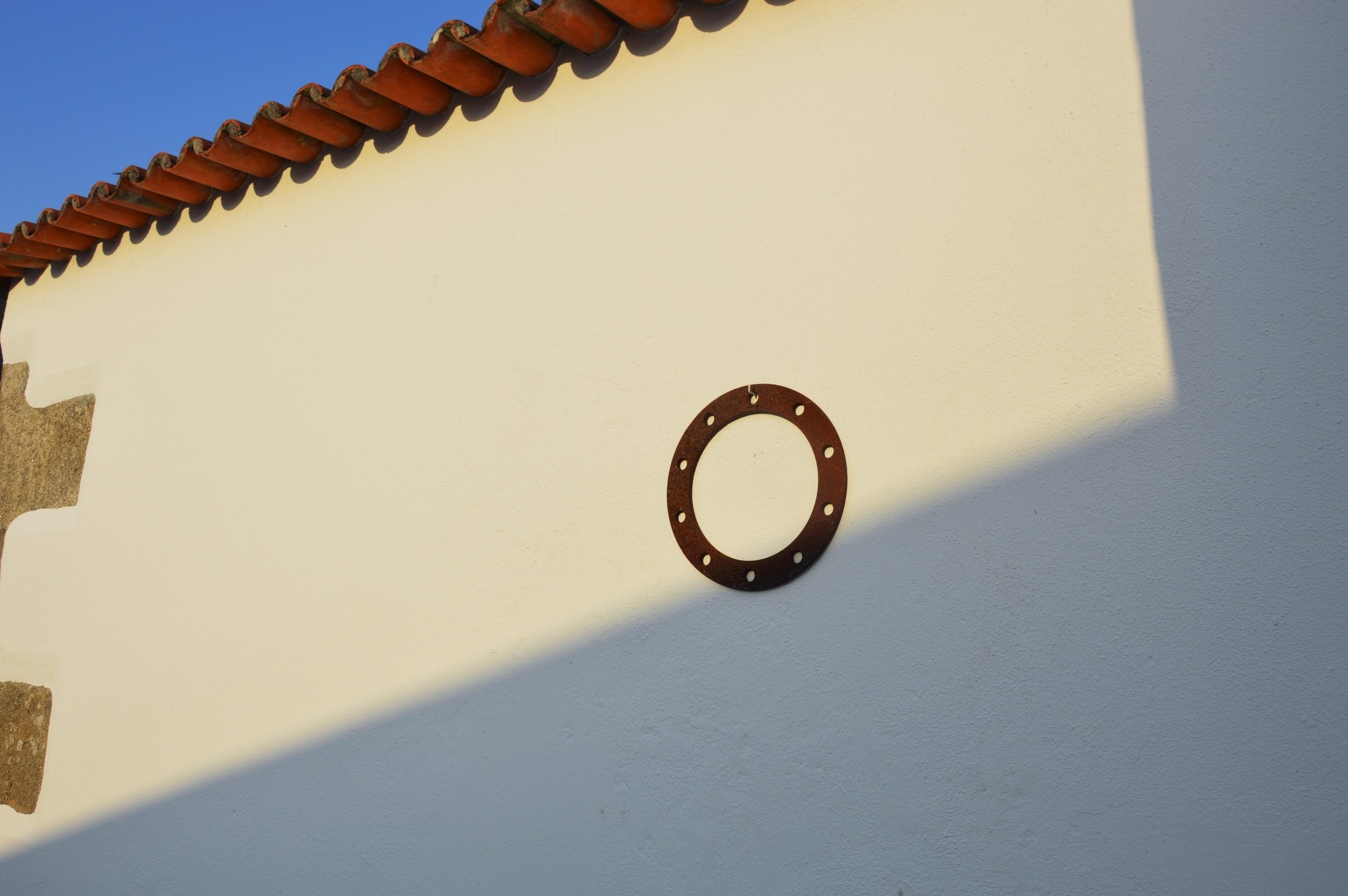
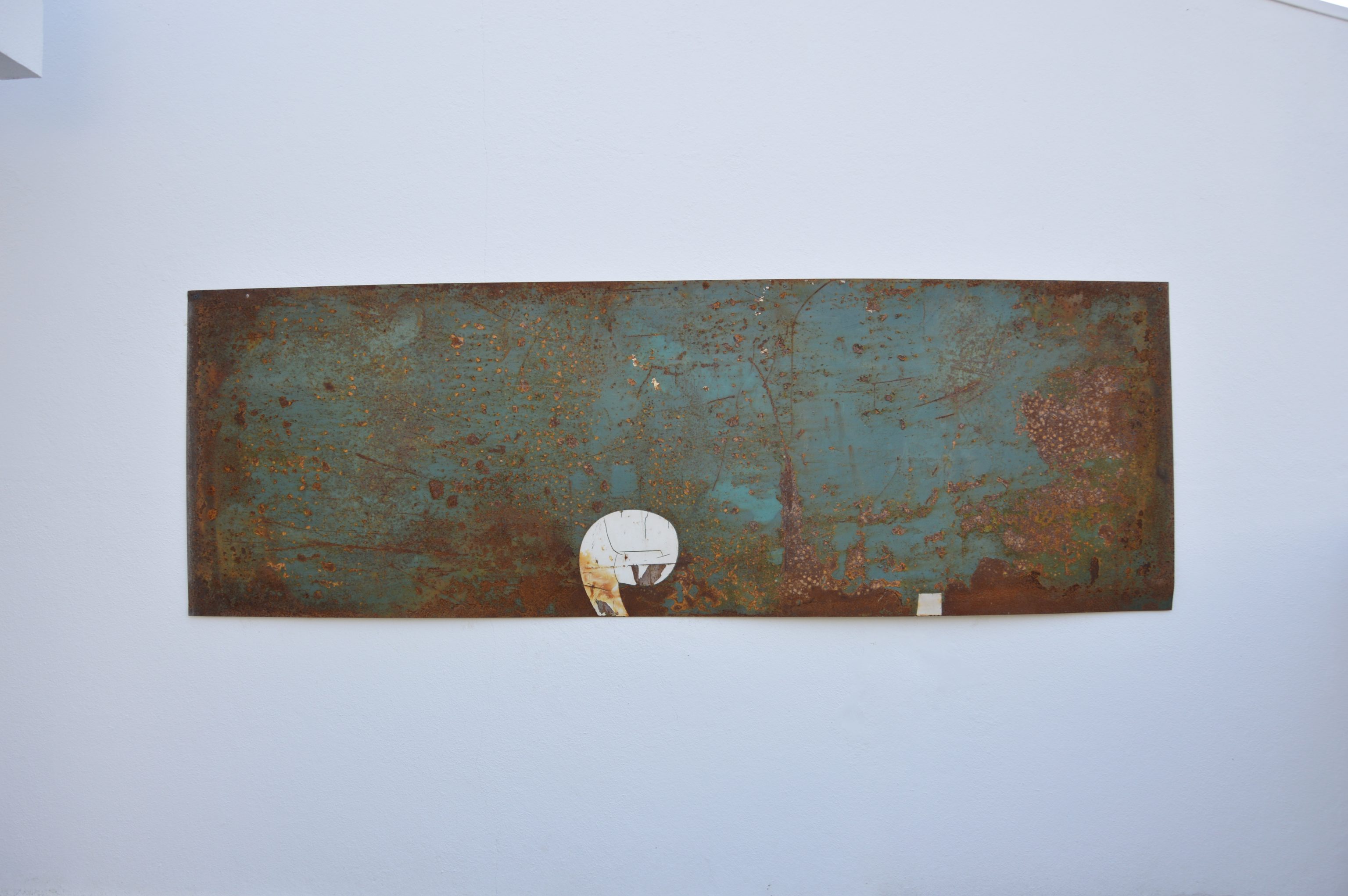
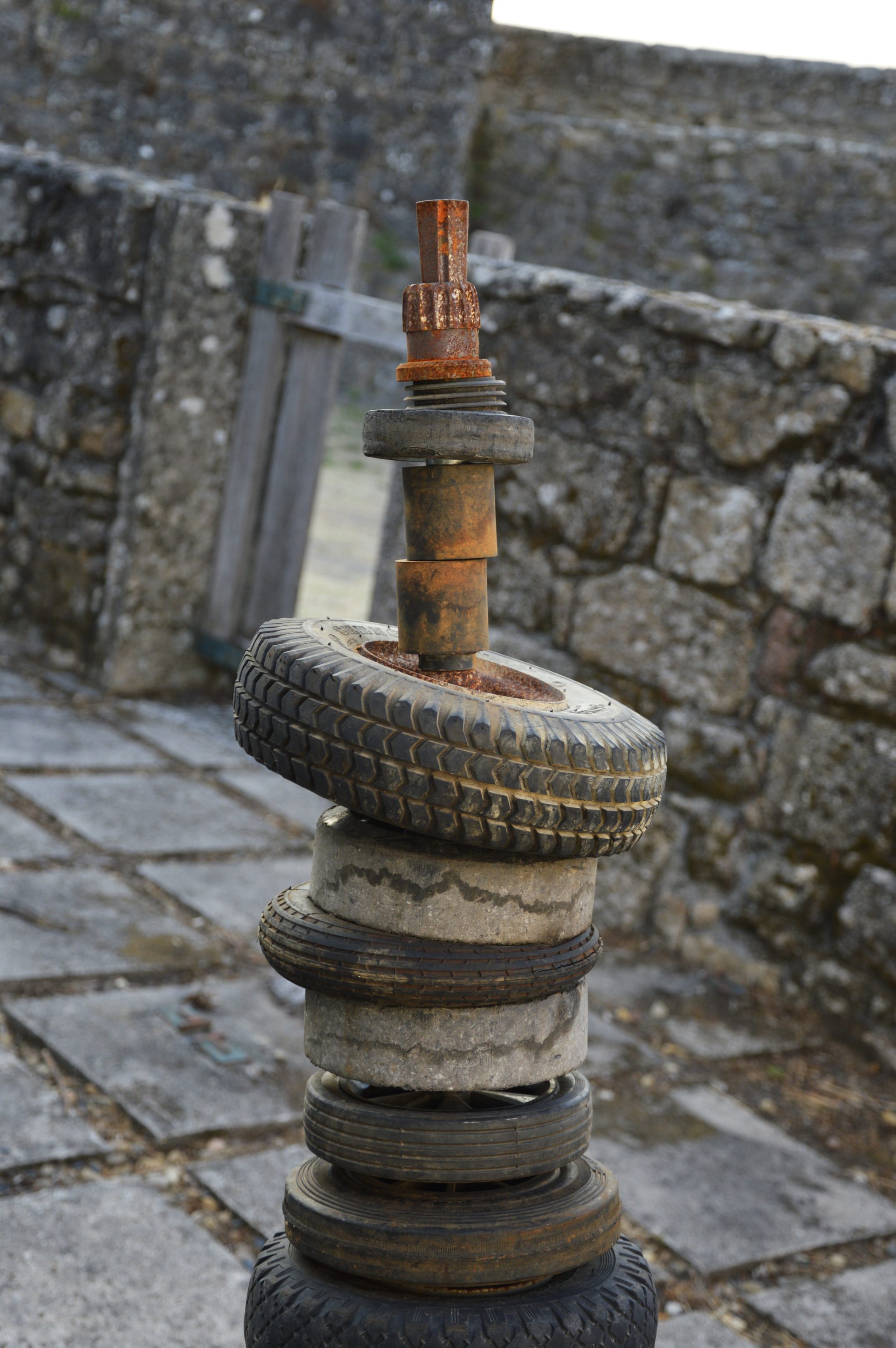
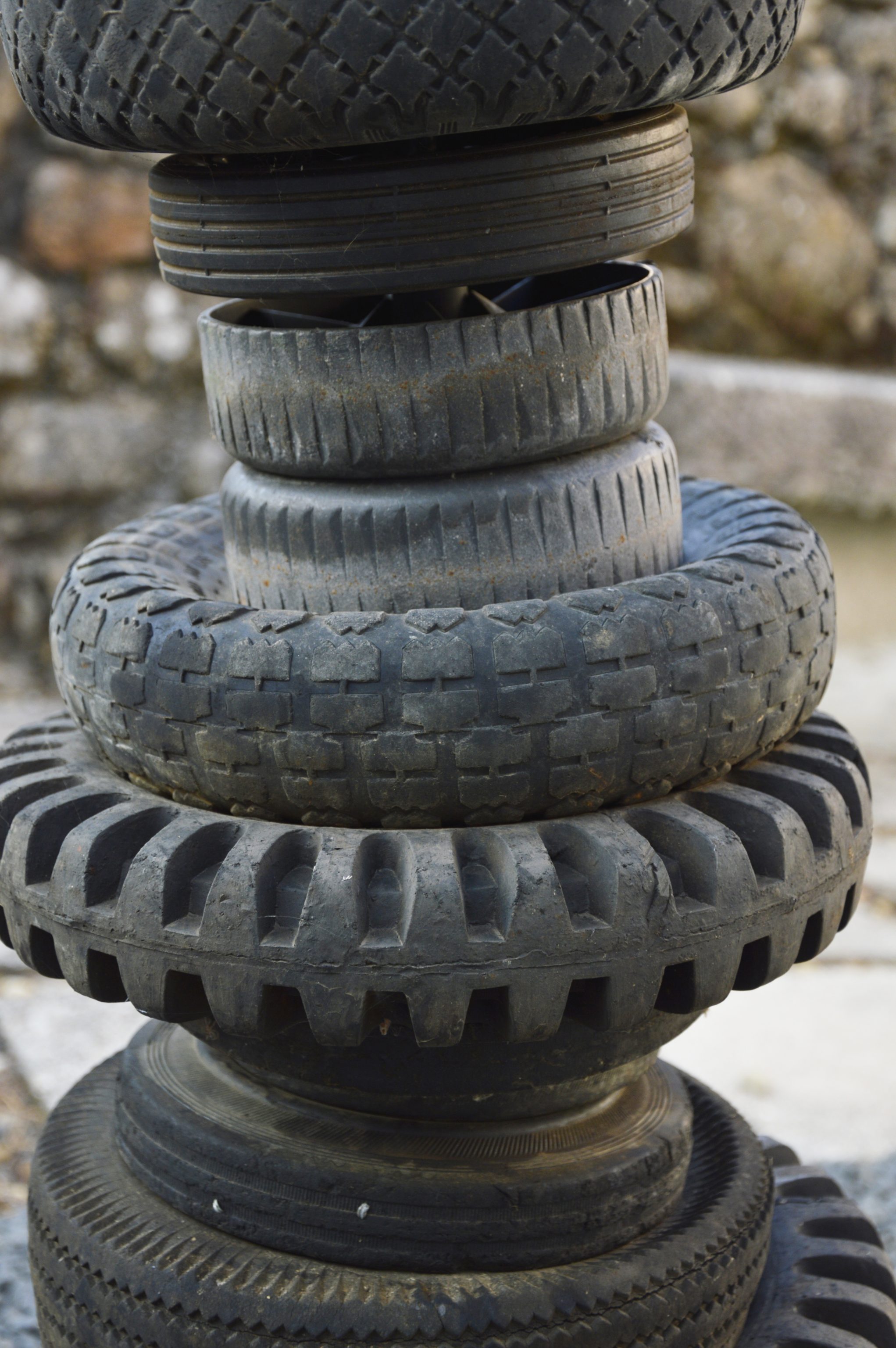
Timeline (Linha do tempo) is an artwork related to the studies on Time and Memory and it presents a sculptural installation composed by three parts: One modular central object made by old wheels, a rusty metal panel and a round object in metal.

It deals with the idea of the machina memorialis, a machine able to trigger memories and presents the potency of Time in the idea of movement or repose.

This artwork is part of the Fundação Bienal de Cerveira’s collection. 

Technique: Sculptural installation with collected old objects.

Dimensions: Central object: (LxWxH): 1,60 x 0,5 x 1,20m Panel: 2m X 0,8m

Tempus Project

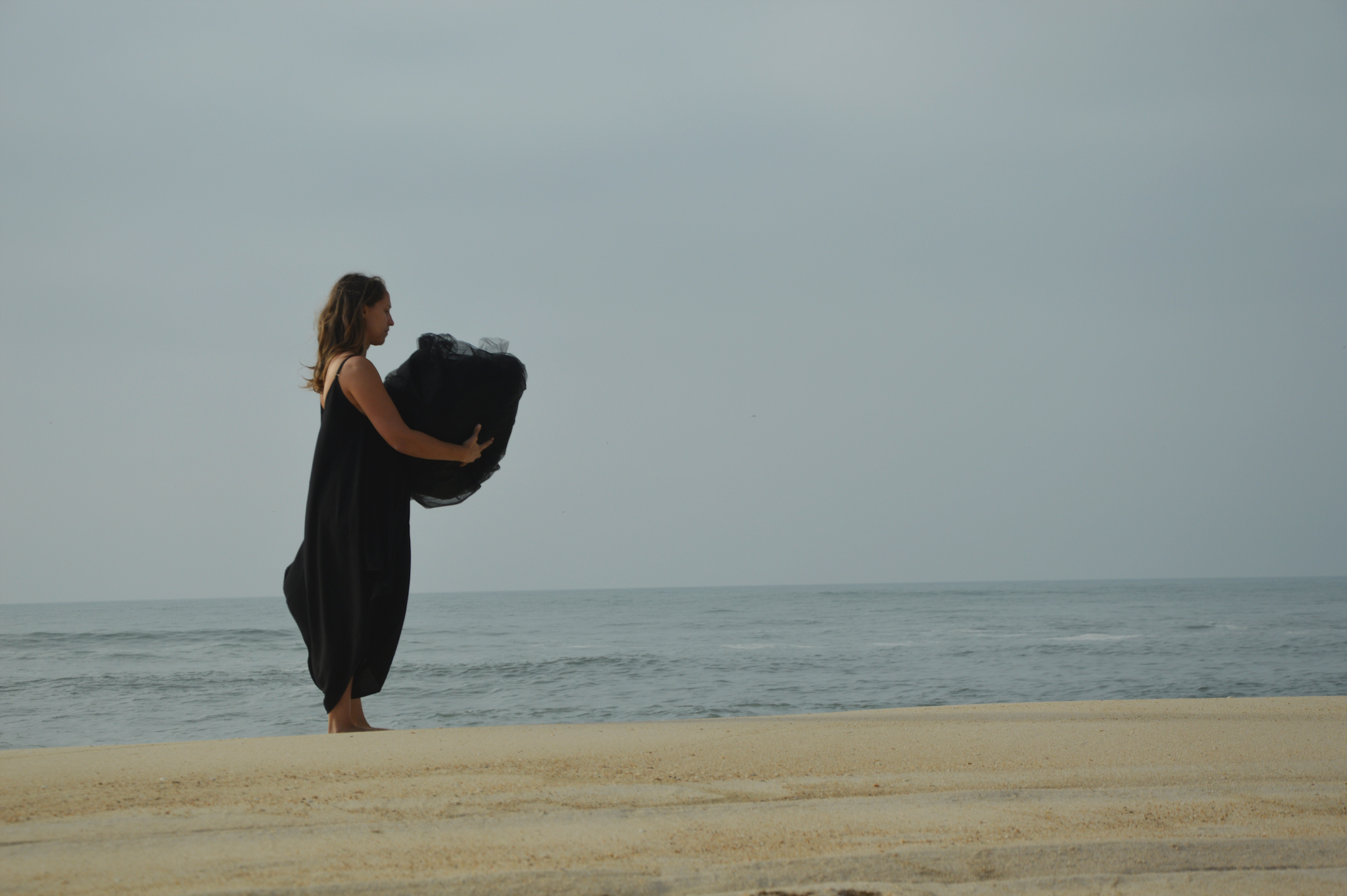
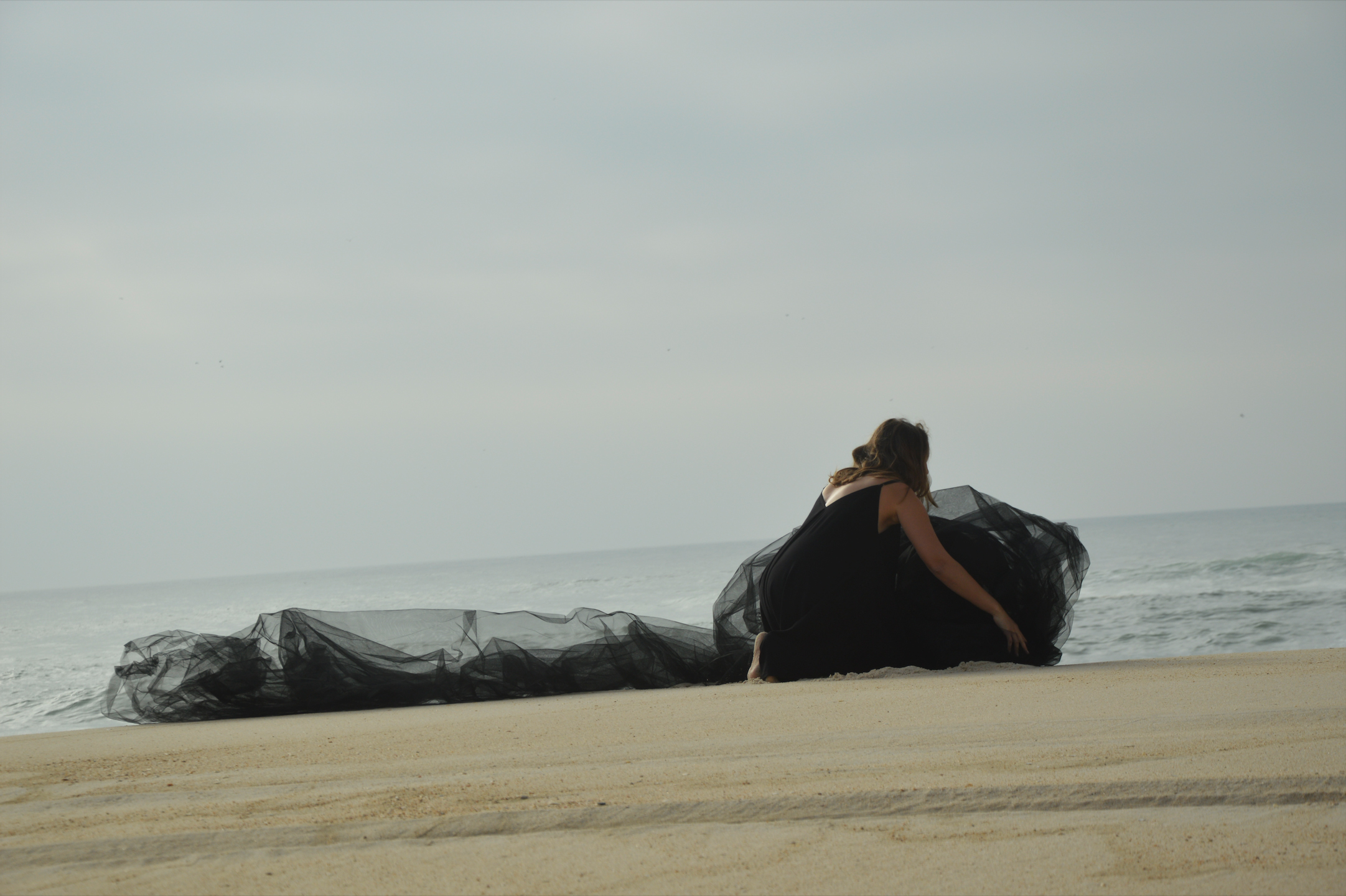
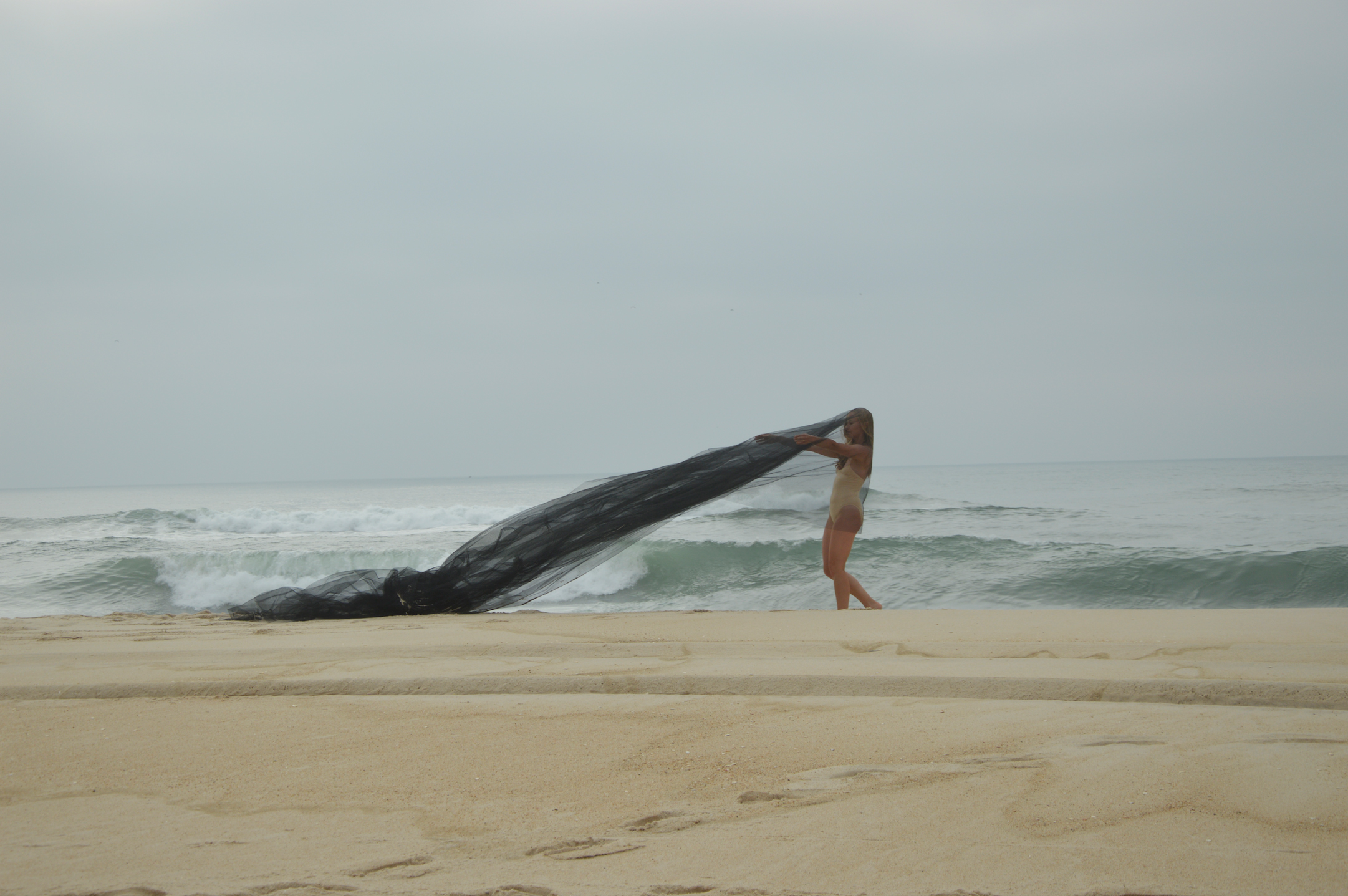
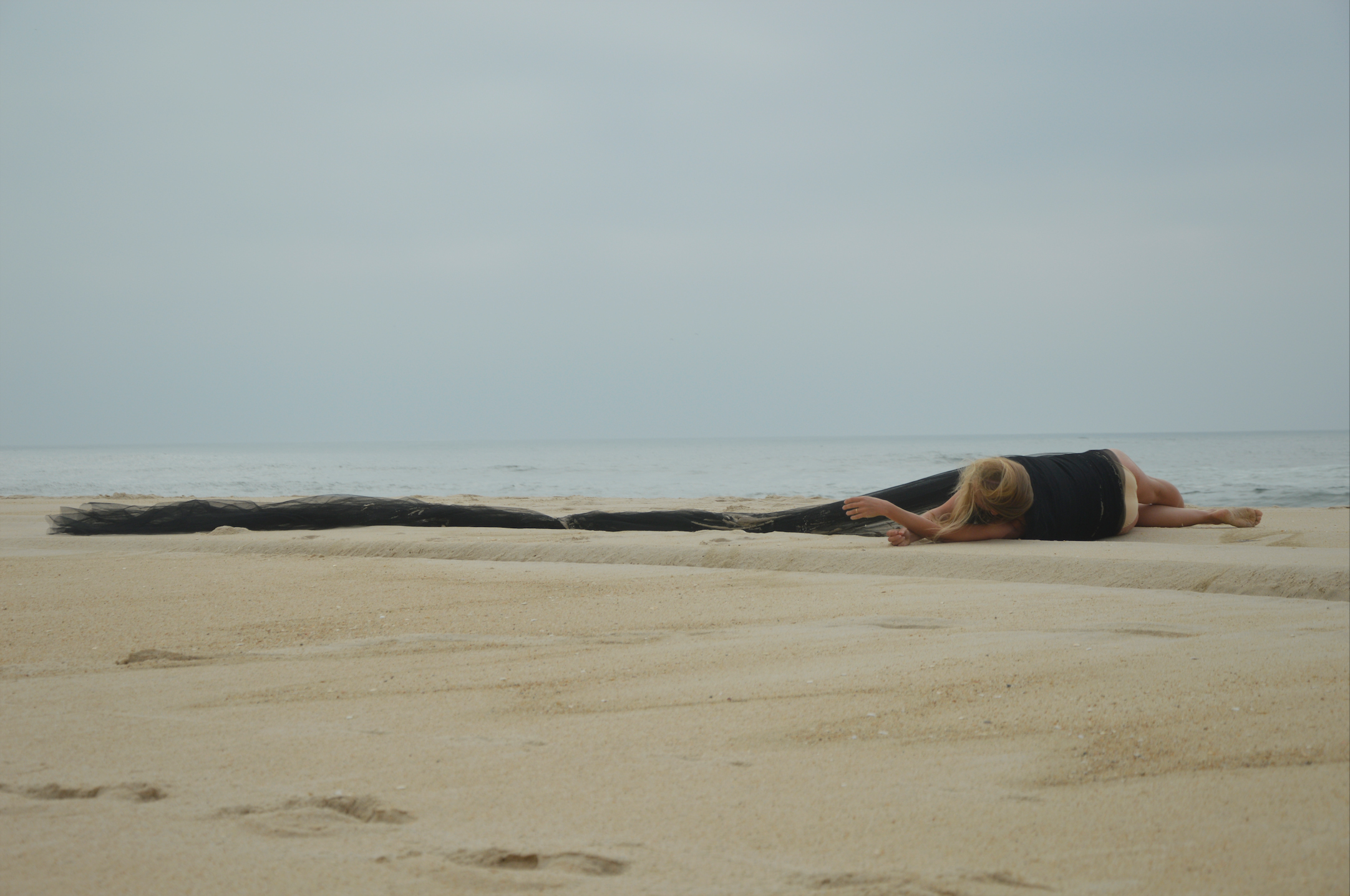
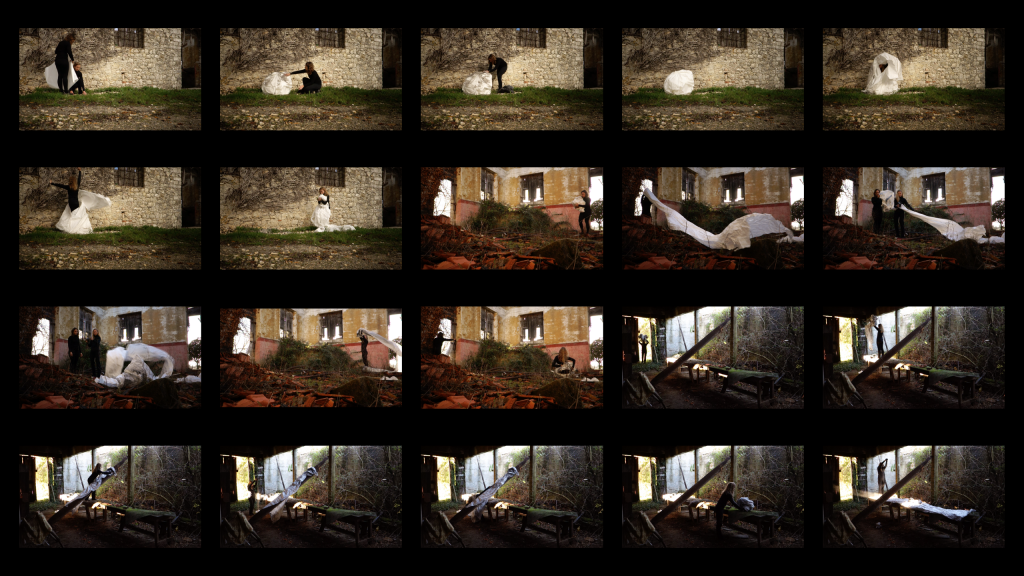
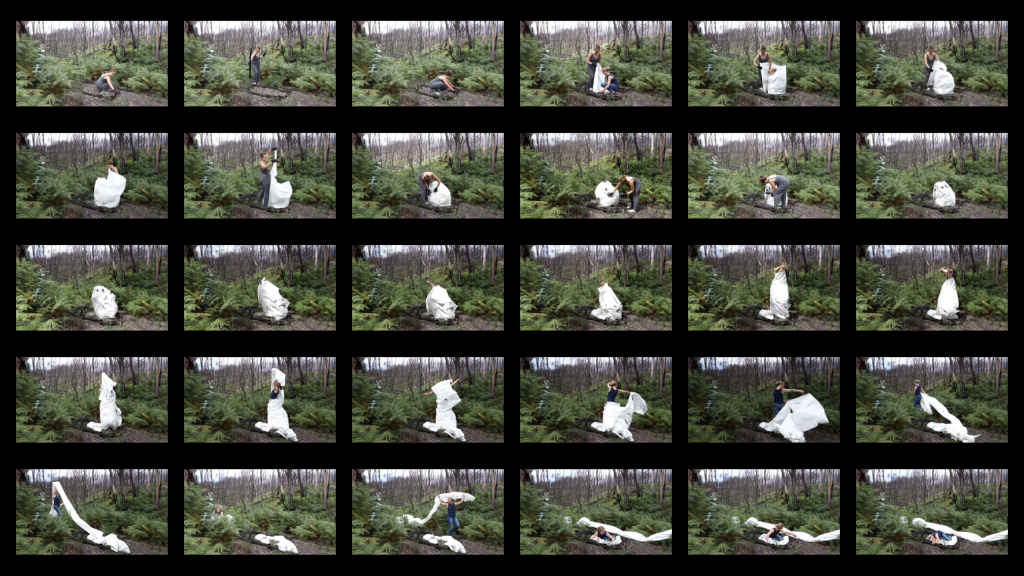
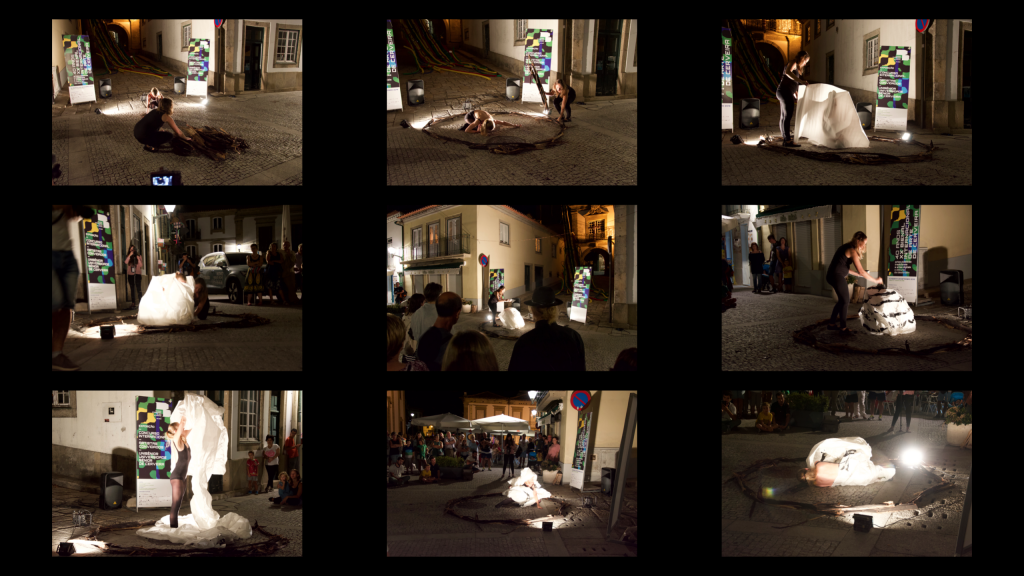
TEMPUS is a project directed by Bruna Mibielli  (BR) and Inesa Markava (BY) dealing with the concept of time through the experience of nature. It is a series of perfomances in which Bruna Mibielli constructs scenes to Inesa Markava to explore with her body, involving dance and perfomance techniques.

Other artists are involved in the creation process. João Taurino (PT) explores music in this project. He plays with sounds of human body and sounds of the water, which is a symbol of life itself. He adds echoes and floats with variations of rhythm along the sound of a heart beat to the tracks. The sounds proposes an emulation of living fluxes by suggesting a life time with a non-chronological path and creates time in cycles through the sounds of the water.

Clarissa Serafim (BR) develops costumes for the performances and contributes sewing dialogues between fashion and art.

The core aims of the performatic part of this project emerges on the concept choreo-graphy, from the original Greek: khoros (chorus). Khoreia (dancing in unison) happens when nature, architecture, ambience, music elaborations and graphic elements appearing on the surface of the paper come together.

The context in which this project started is the disasters occurred in Portugal during the dry season, (2017) when large forest areas were completely burned, including houses and entire villages. The dantesque landscape which rests after a fire is the scenario where the three artists working in this performance took inspiration. This context stimulates artistic choices reflecting on what can be time under the aegis of nature.

Time is usually measured by light and is intrinsic related to the earth movements: rotation and revolution. This means that usually society take as reference a movement expressed by an outsider corpus. The sun was chosen as the referential, as it is a body located outside everything, even from earth. It is outside but it is present all the time changing life on earth. What one should consider is that time cannot be measured because it cannot be divided. Of course society has to stablish parameters to organize life, but we all acknowledge that time exceeds the measurements of a clock.

Latin languages use the same word, for example in Portuguese: TEMPO to comprehend chronological time and atmospherical time. This doesn’t occur in English for example. TIME is used for chronological and WHEATHER is used for atmospherical. In German, the same occurs, ZEIT and WETTER. For this reason, one can infer that TEMPO is present in other elements and not only in light. In this performance we evoke this using dry and wet nature elements, like the music is wet, with water sounds and the blood imagined with the heartbeats, and we use also wood ashes, charcoal pigment related to the dry part of nature.

The performance invites the viewer to investigate how we live time in contemporaneity. We should remember that we are not the masters of our own time, in the sense that time one lives suffer a lot from outside influences. Nevertheless, everybody can be aware of the inner (one’s acts and thoughts related to relationships, work, responsibilities, etc.) and outer (nature, ambient, surroundings, pollution, technology, etc.) elements that contributes to big changes on time experience. This way we are more empowered to shape life as we like to live it.

Archive 0

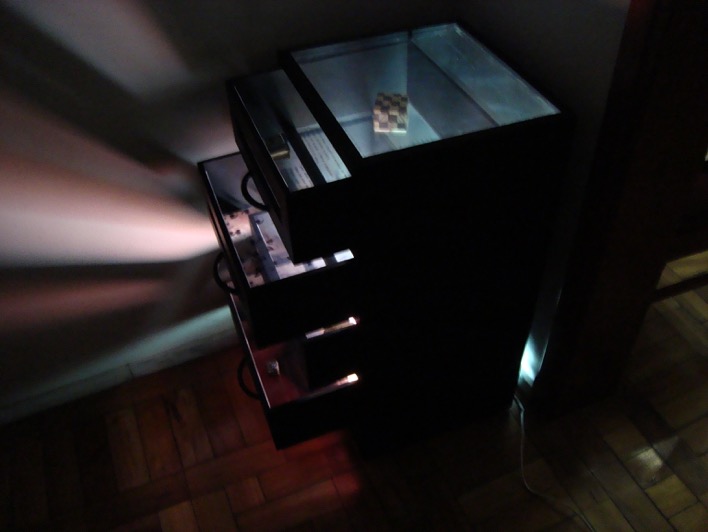
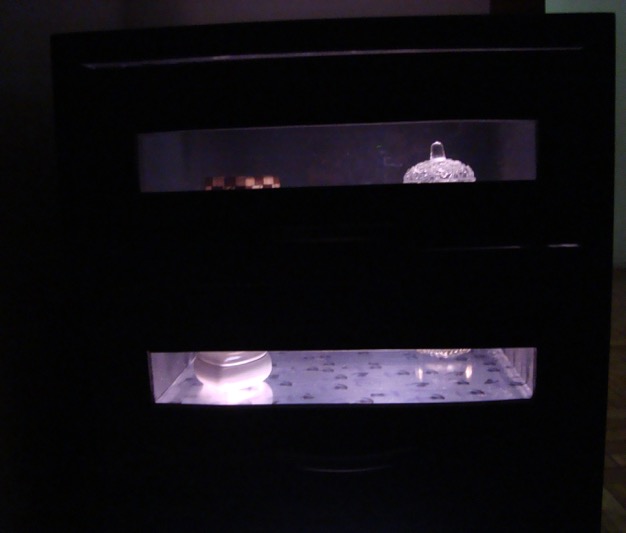
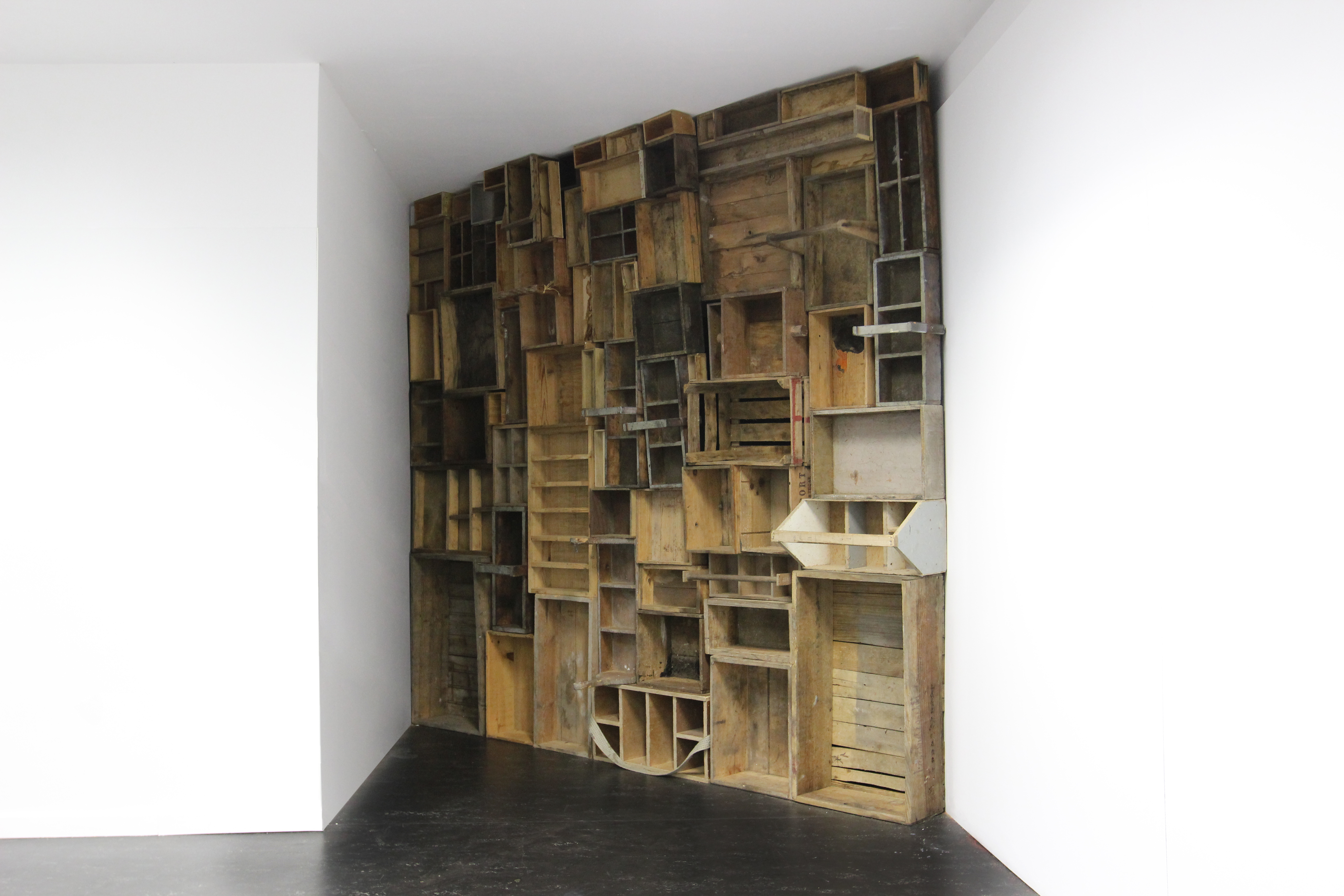
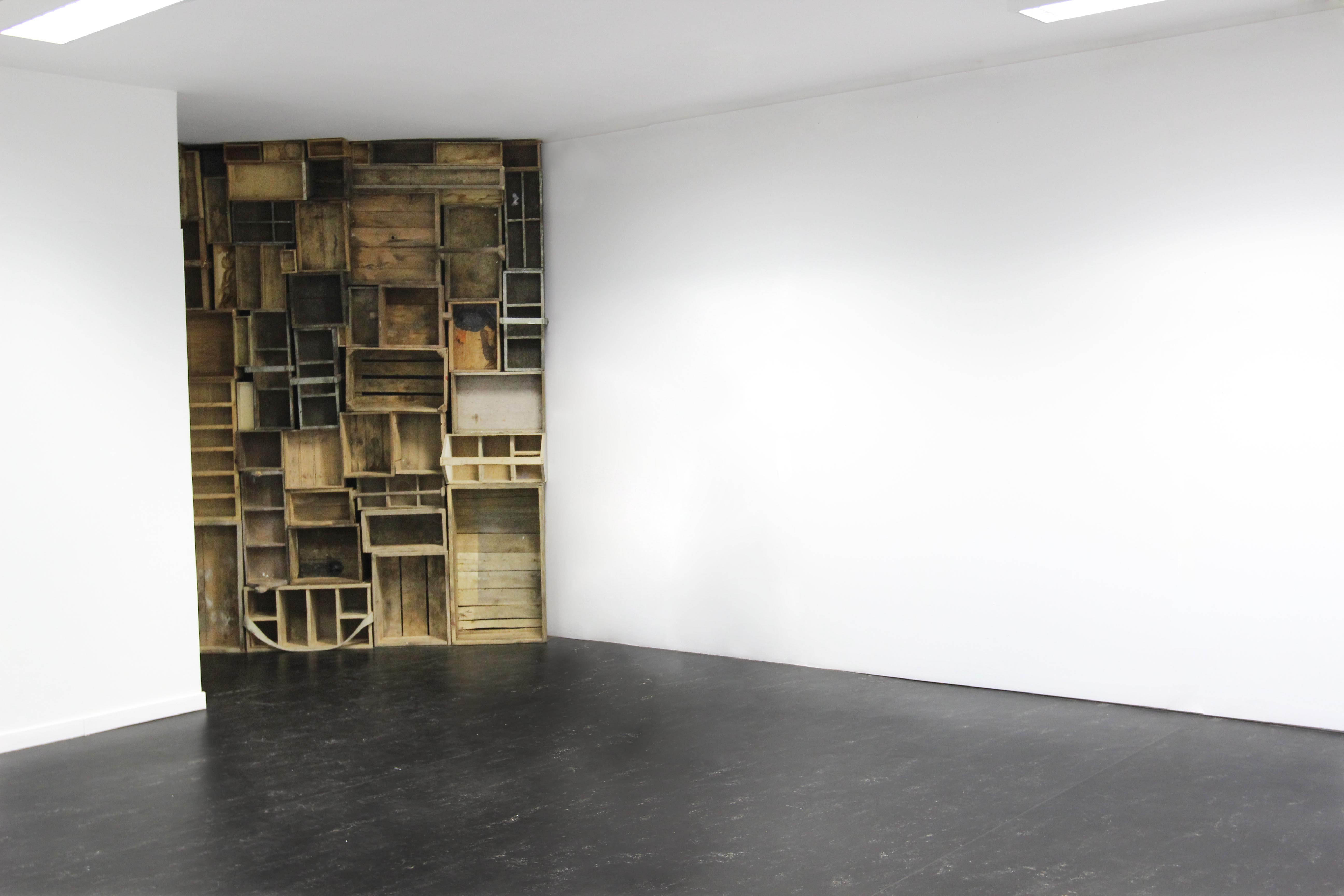
Archive 0 is a sculptural installation made with old wooden boxes. The idea of the infinite archive that we imagine to be a potency of memory is an utopia. Memory is not only able to remember, but also to forget and to create new remembrances.

For this reason, this work of art proposes an empty archive, which can be fulfilled only by the viewer’s imagination. 

Arquivo 0 acquired a prize at the XIX Bienal Internacional de Arte de Cerveira, PT and is now part of the Fundação Bienal de Cerveira’s collection.

Technique: Sculptural installation with collected boxes.

Format: ca.: 2,30 X 2,50m

The Third Book

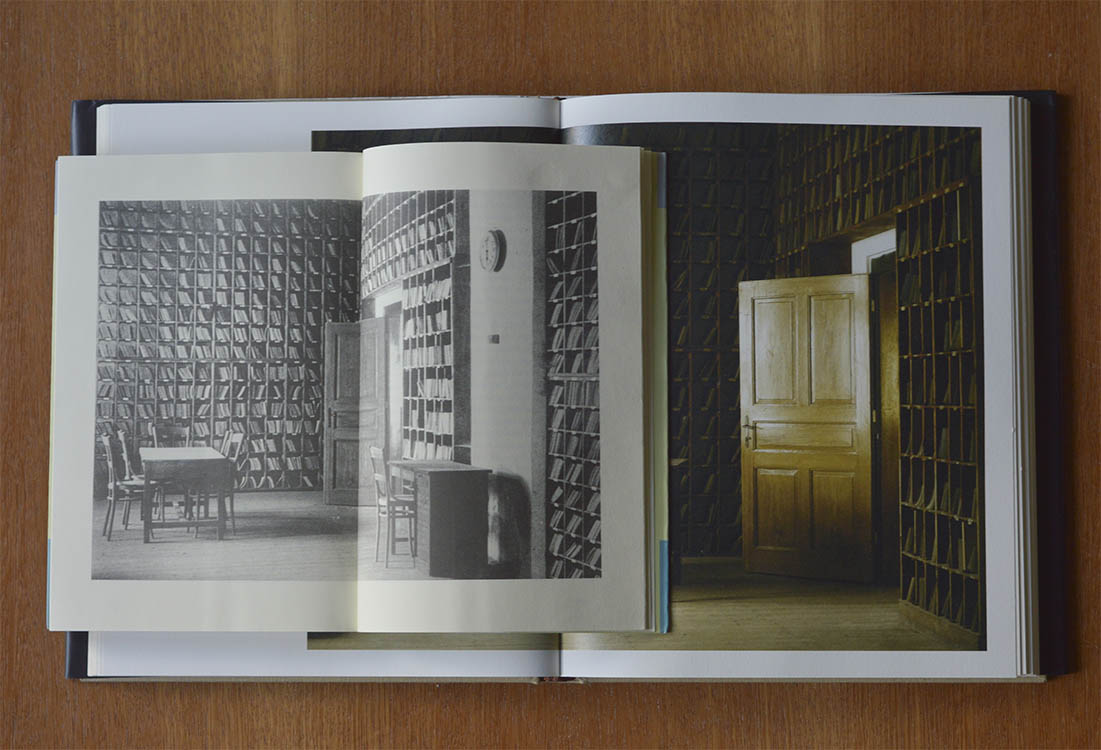
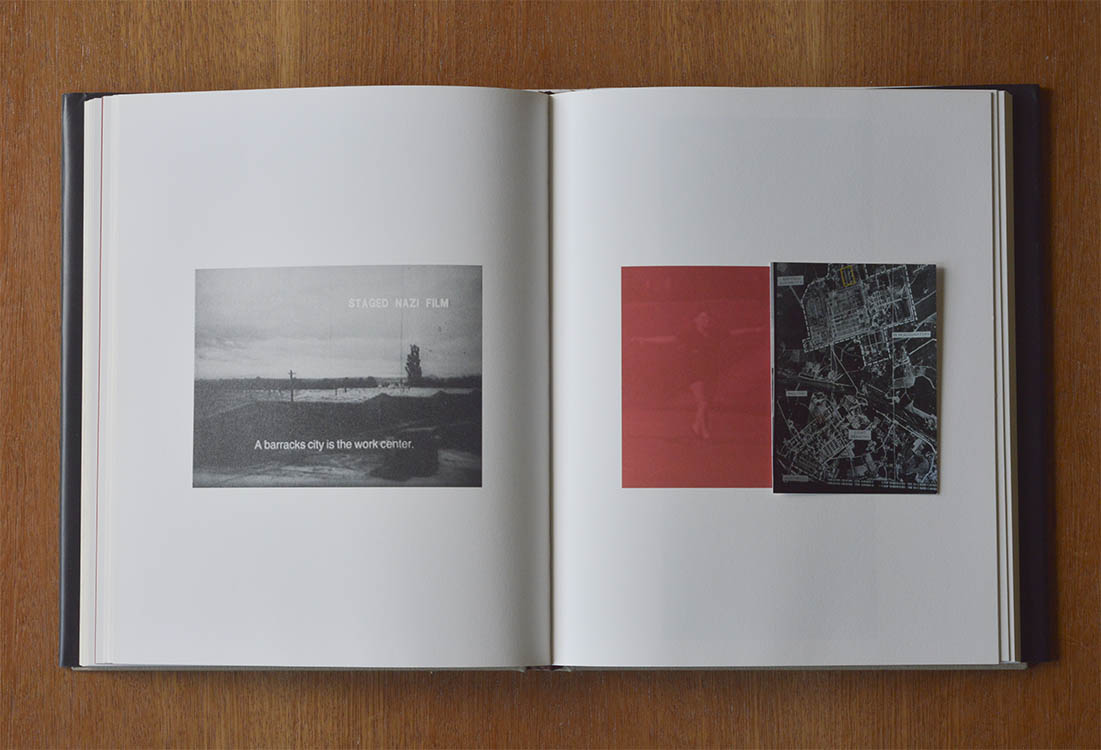
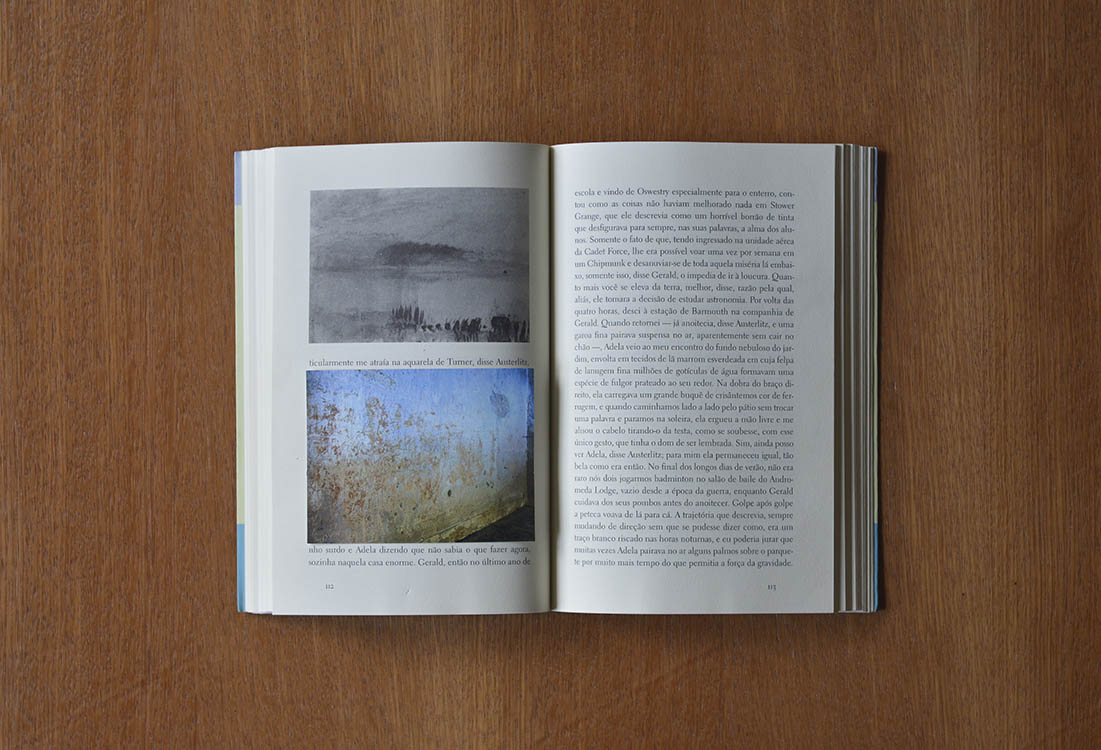
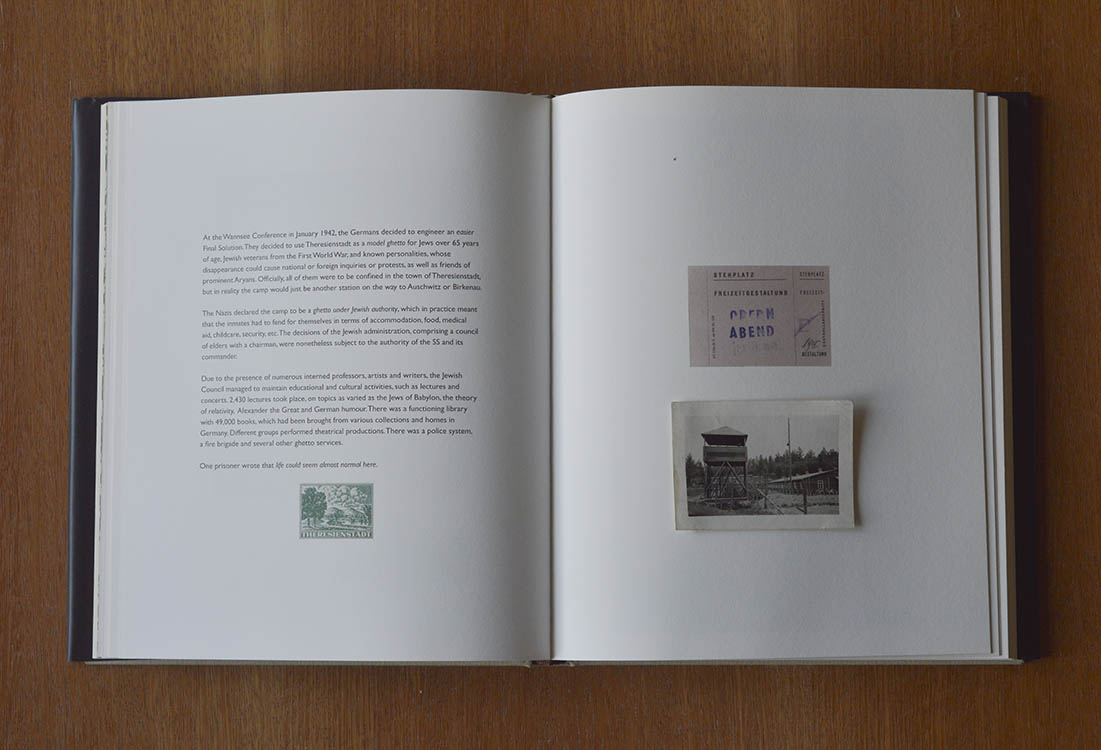
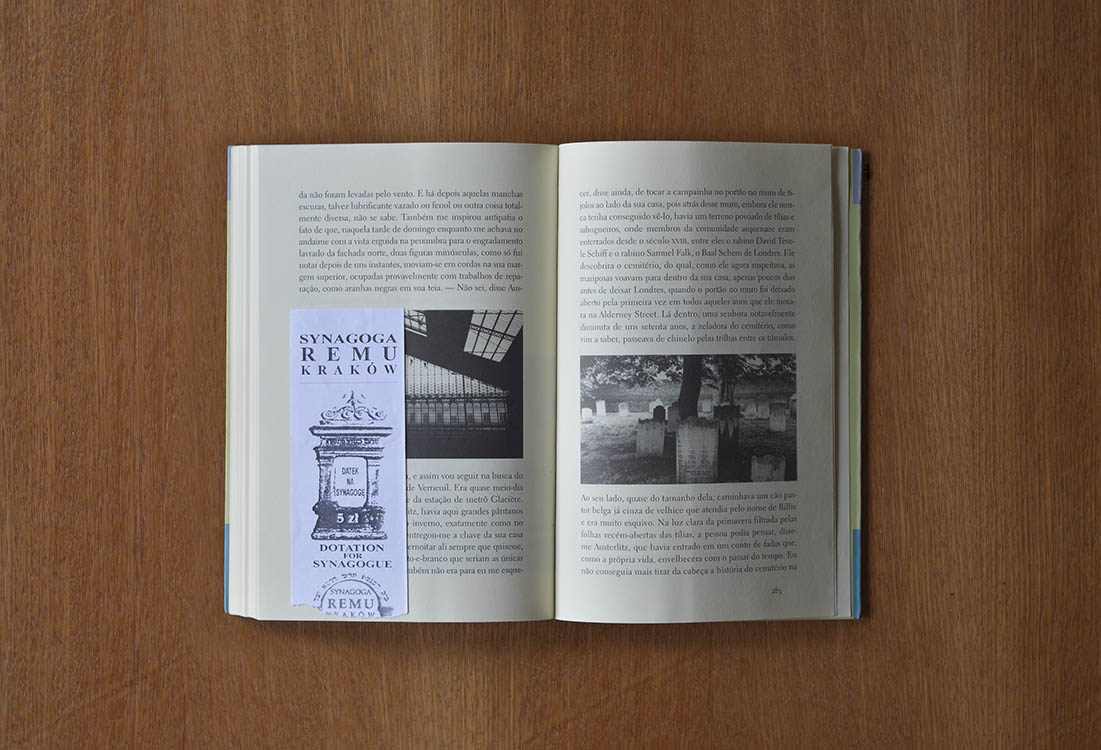
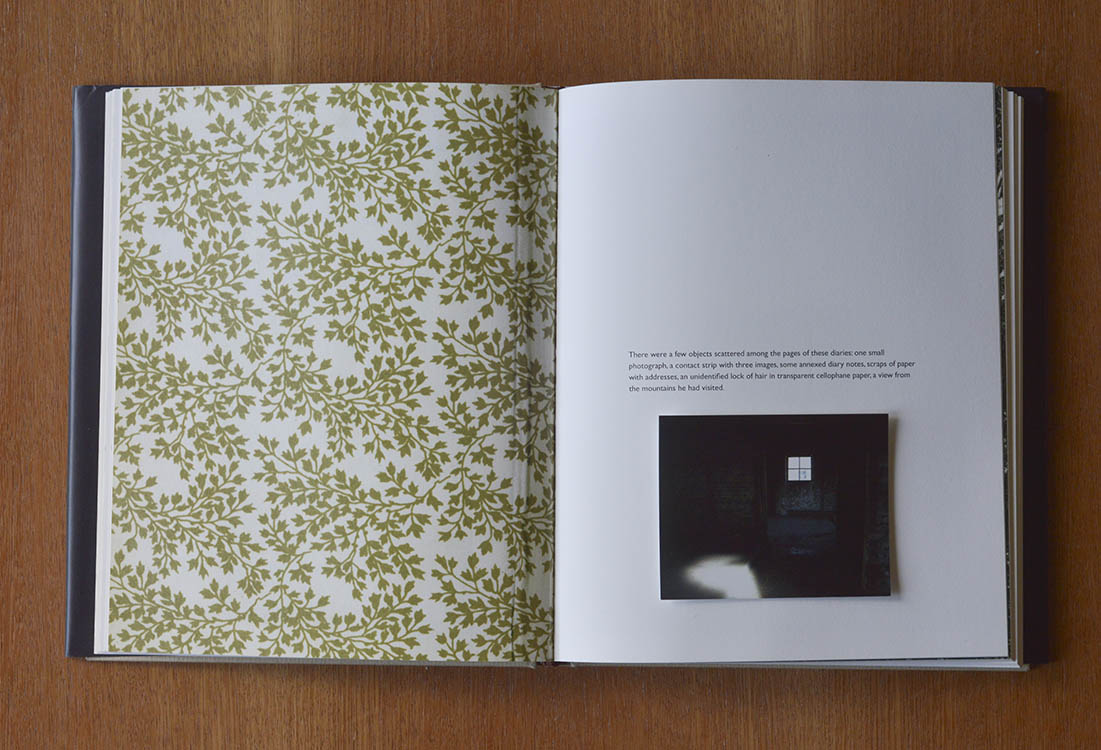
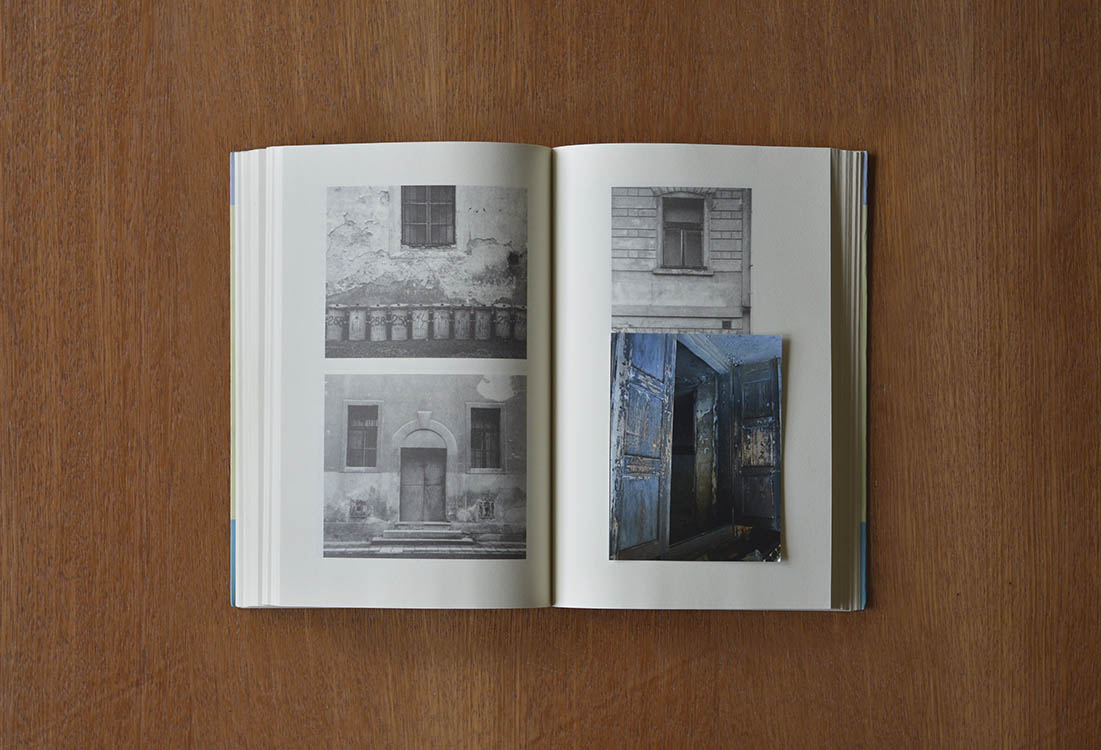
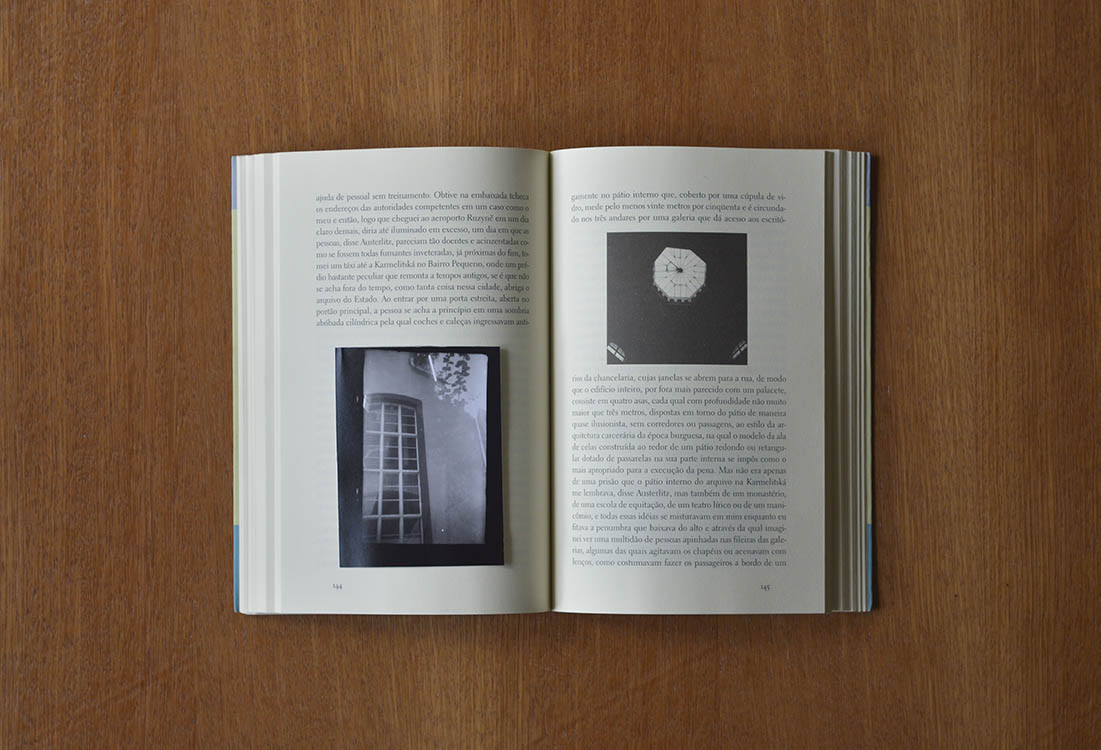
The third book is a work of art  that honours two other works: the book Terezin (2010) by the Portuguese photographer Daniel Blaufuks and Austerlitz (2001), the novel by the German writer W. G. Sebald.

Bruna Mibielli proposes a ​​continuity of the work of appropriation and image based relations first proposed by Blaufuks on Terezin, as he started the narrative by taking the first reference an image from Sebald’s book.

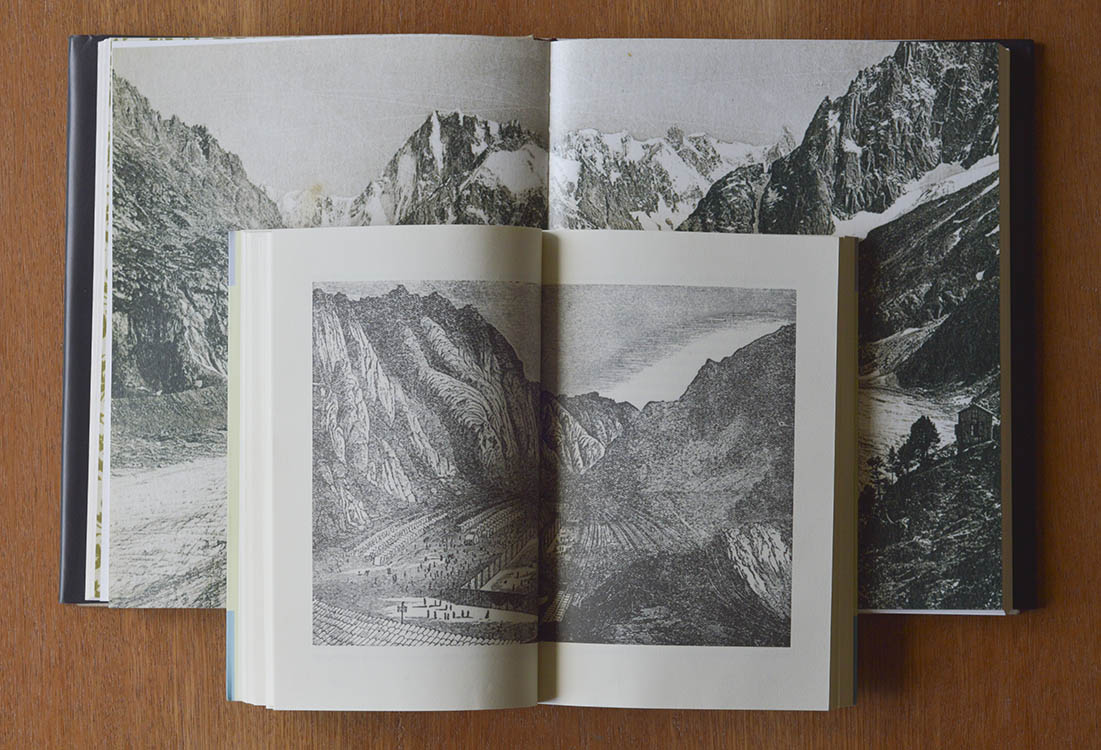
The Third Book presents 12 non-bound pages on the media photography and shows parts of some pages of the two referred basal books and other material collected and included by Bruna Mibielli, creating intersections and overlapping of images. This mixture of references creates a third composition dealing with a common memory present on the three works. It evokes reflection on the issues of time, fiction and history.

Technique: Digital photography printed on fine art over Hahnemühle Rag paper.

Format: 32 X 48cm

Waterscapes of Time

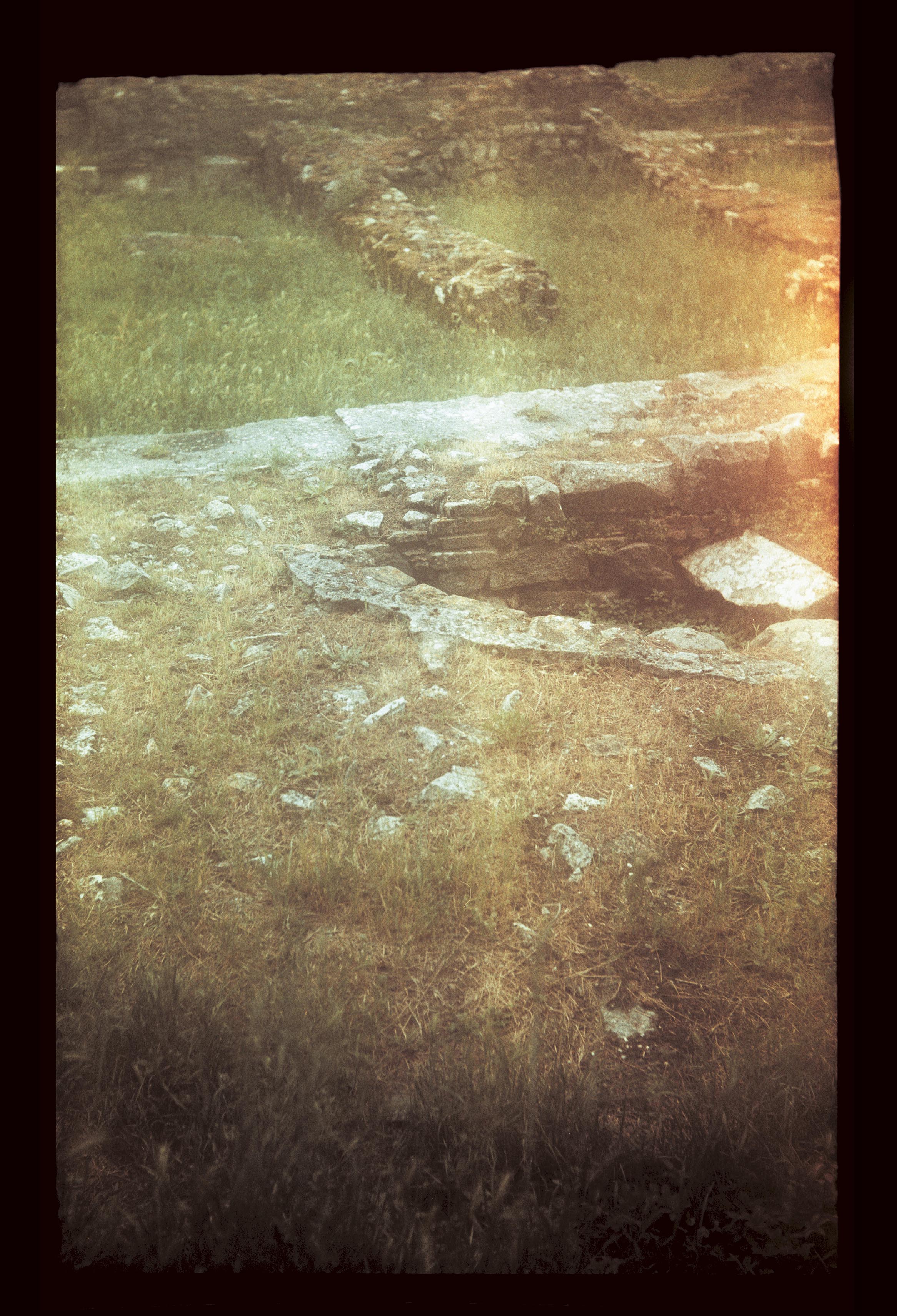
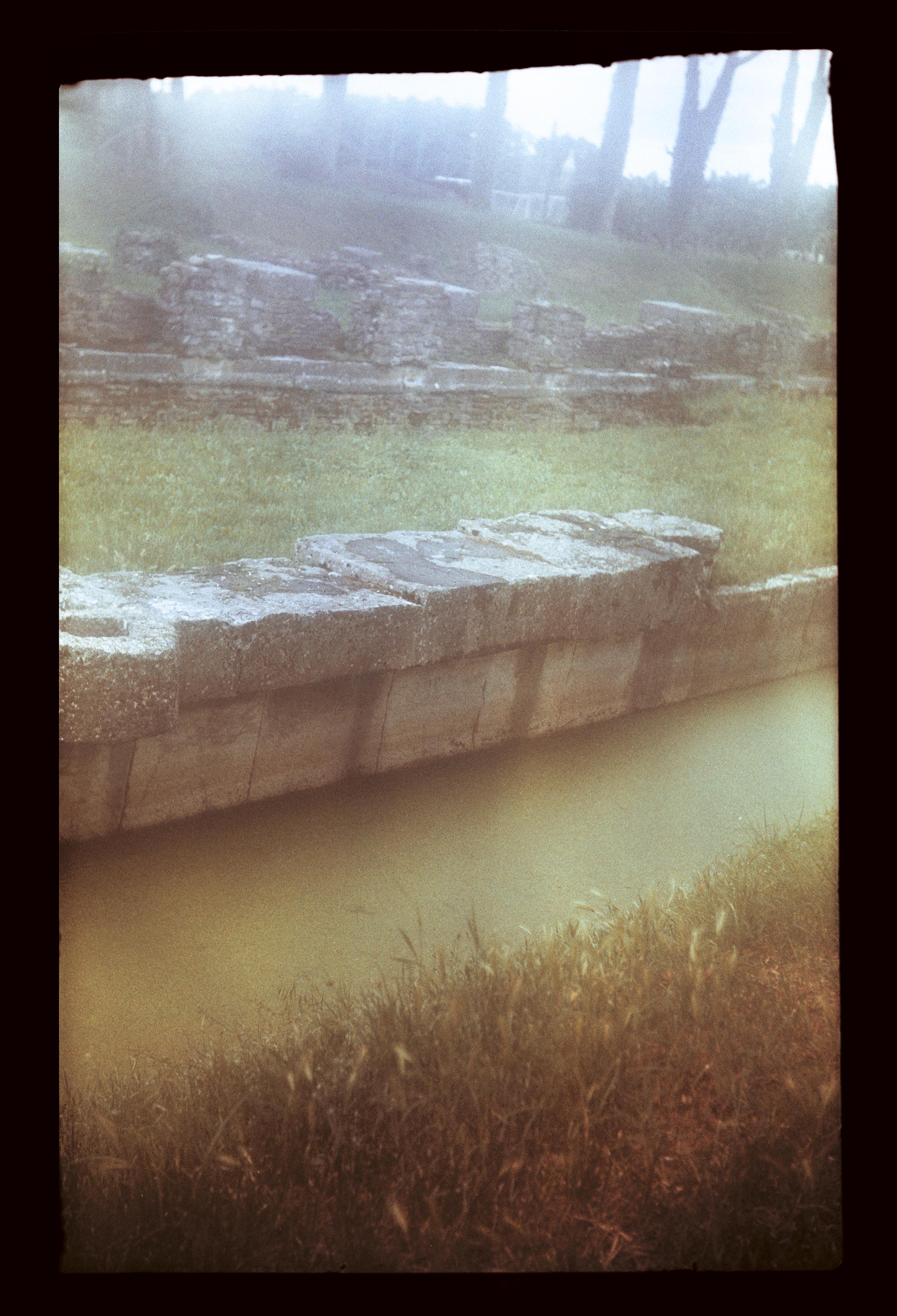
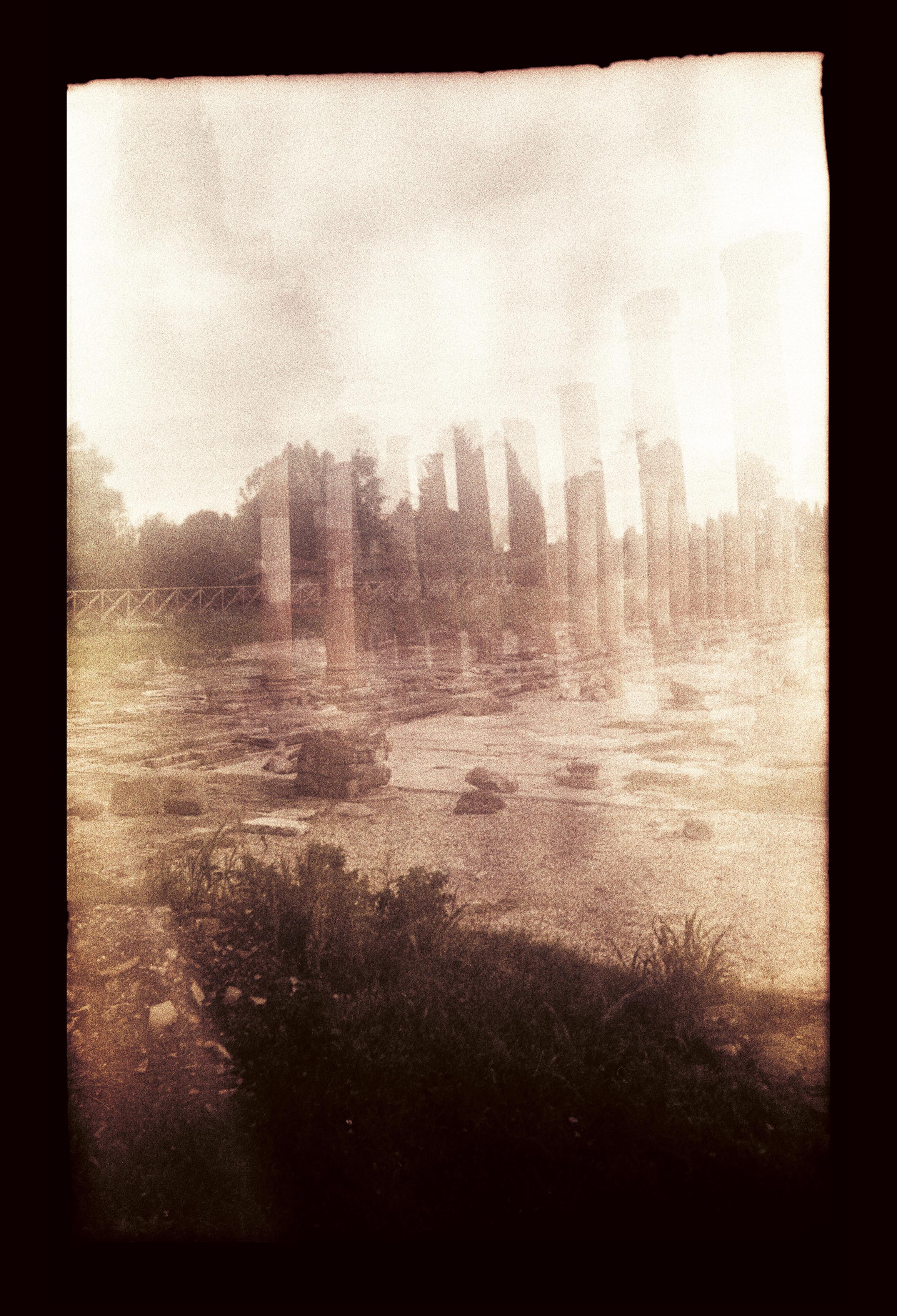
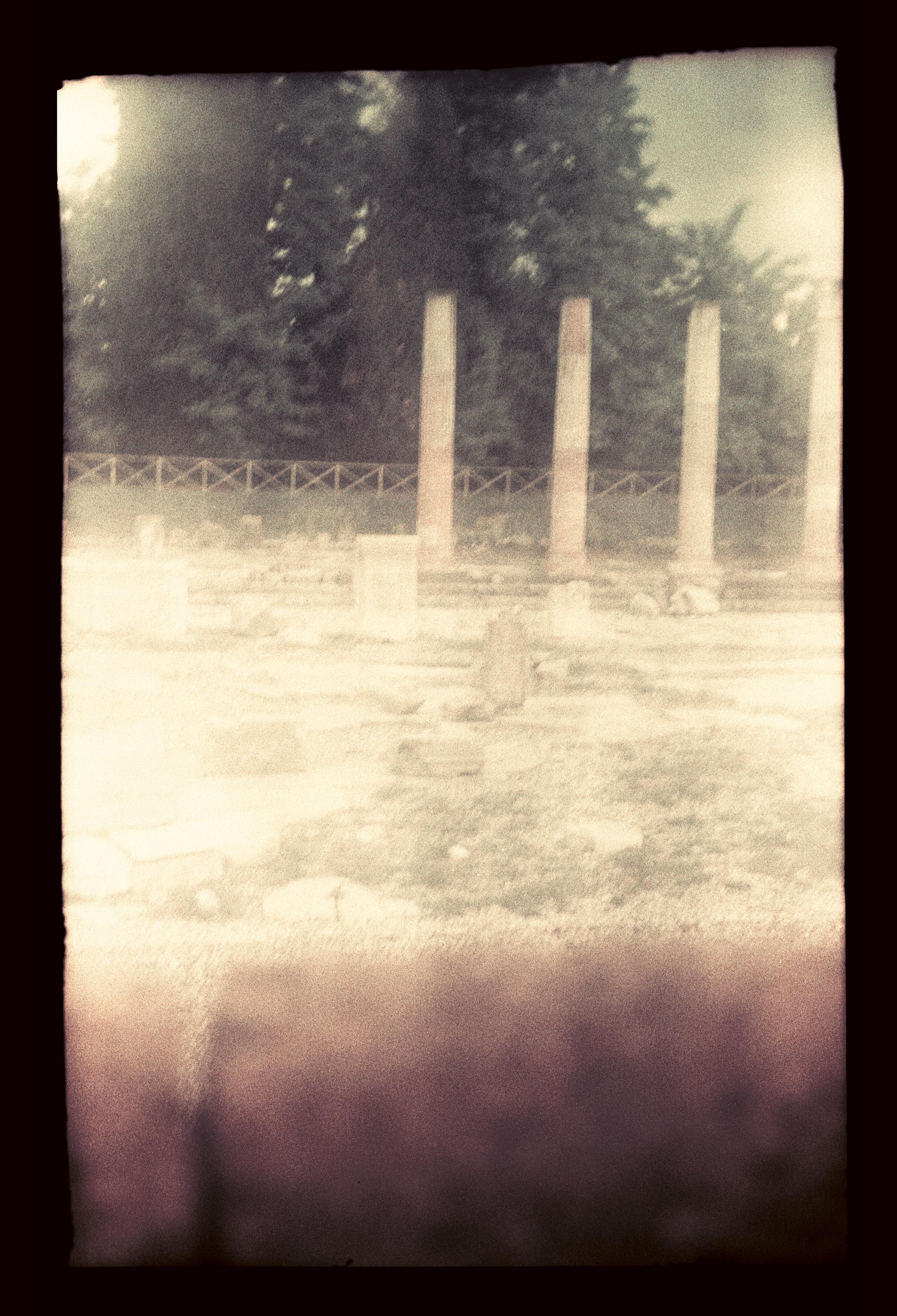
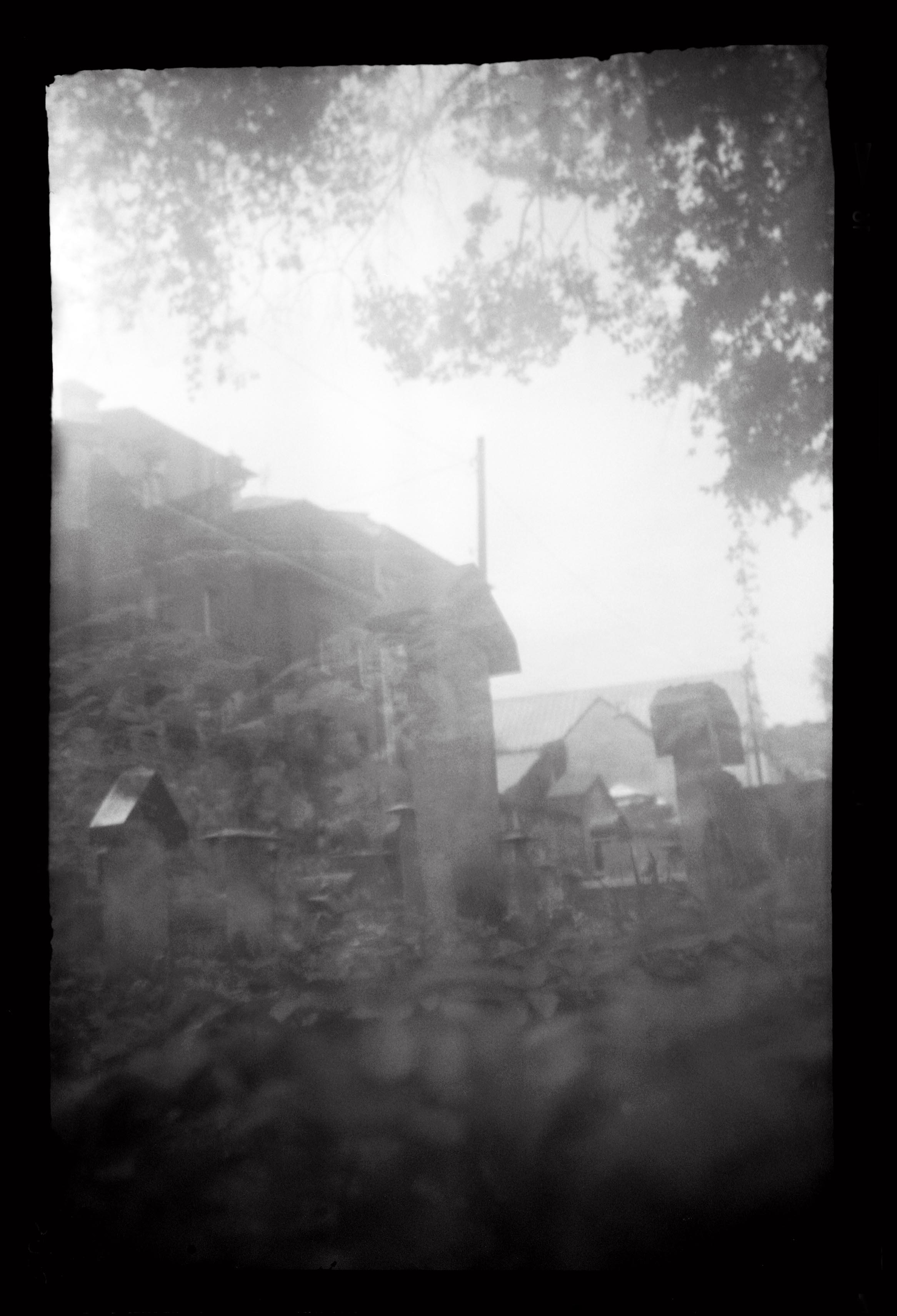
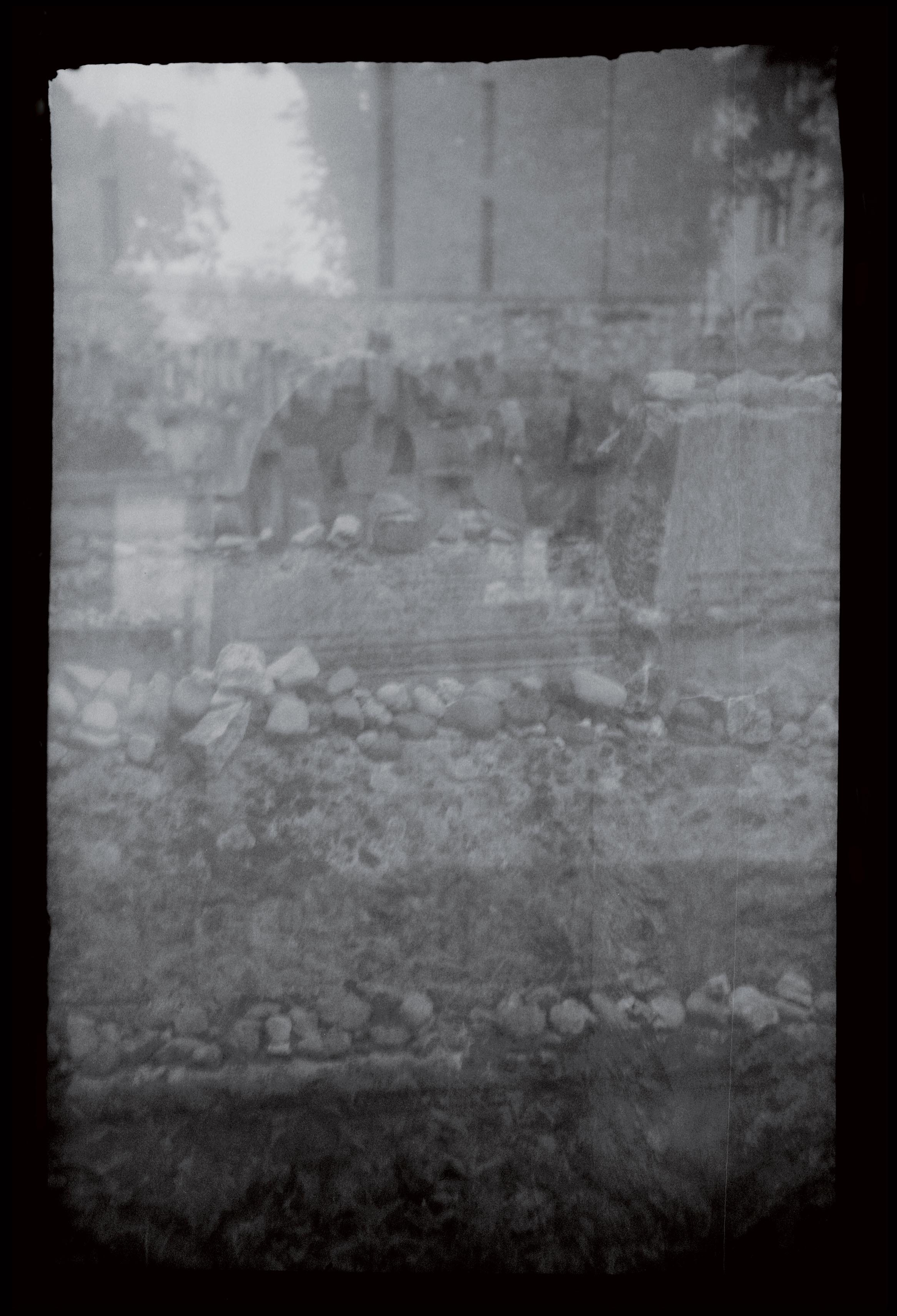
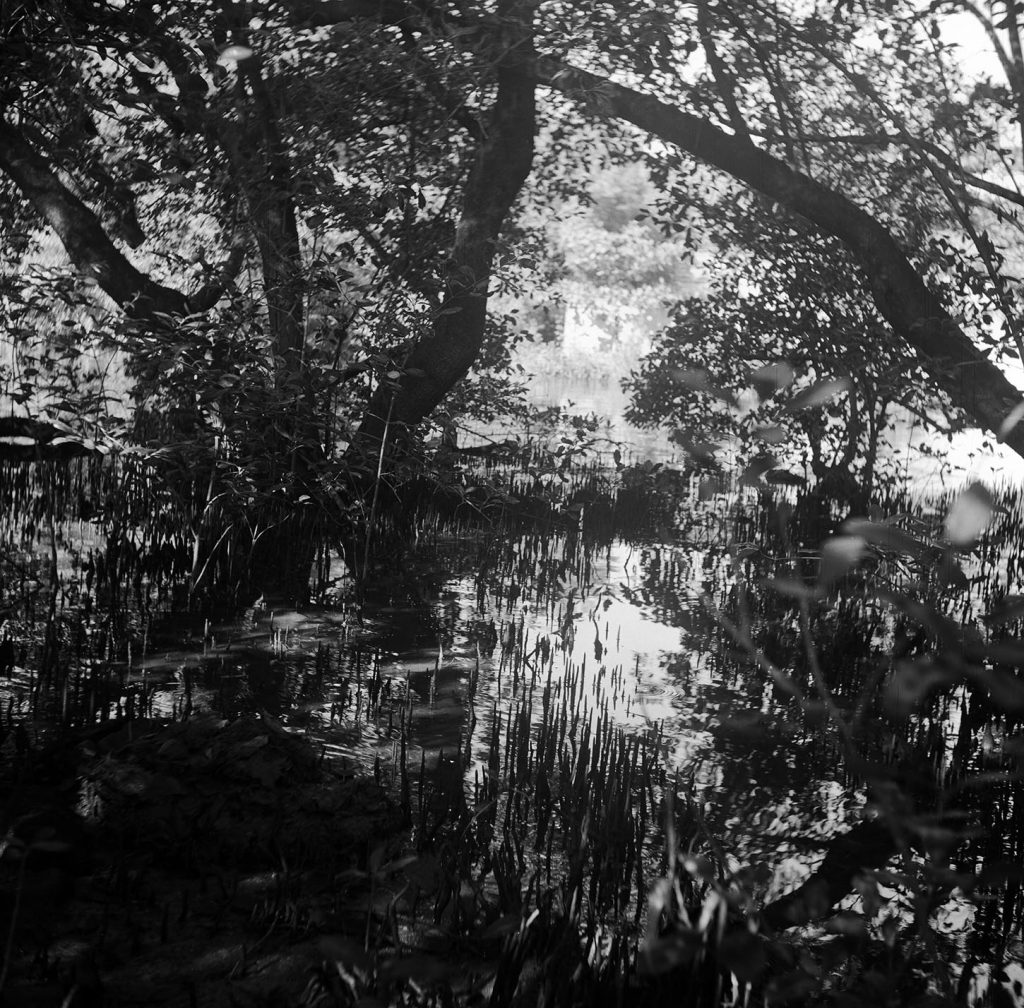
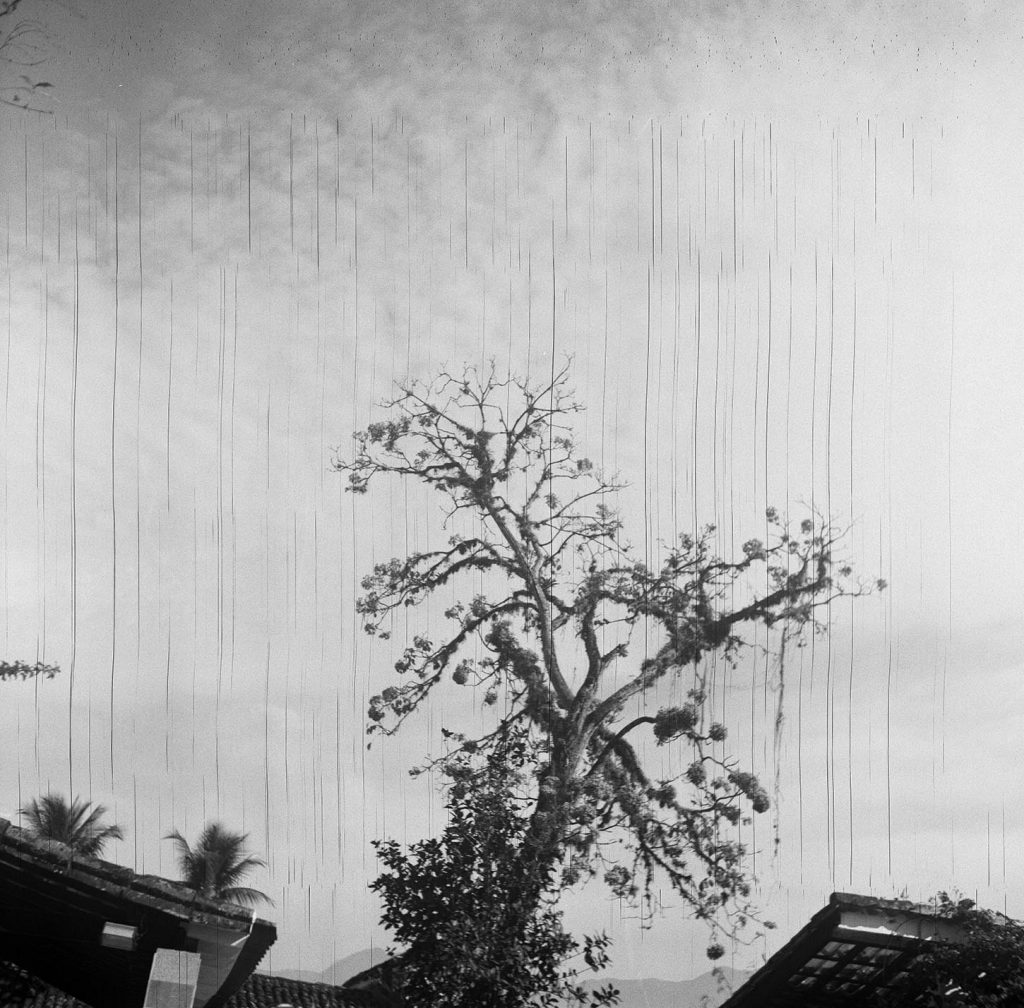
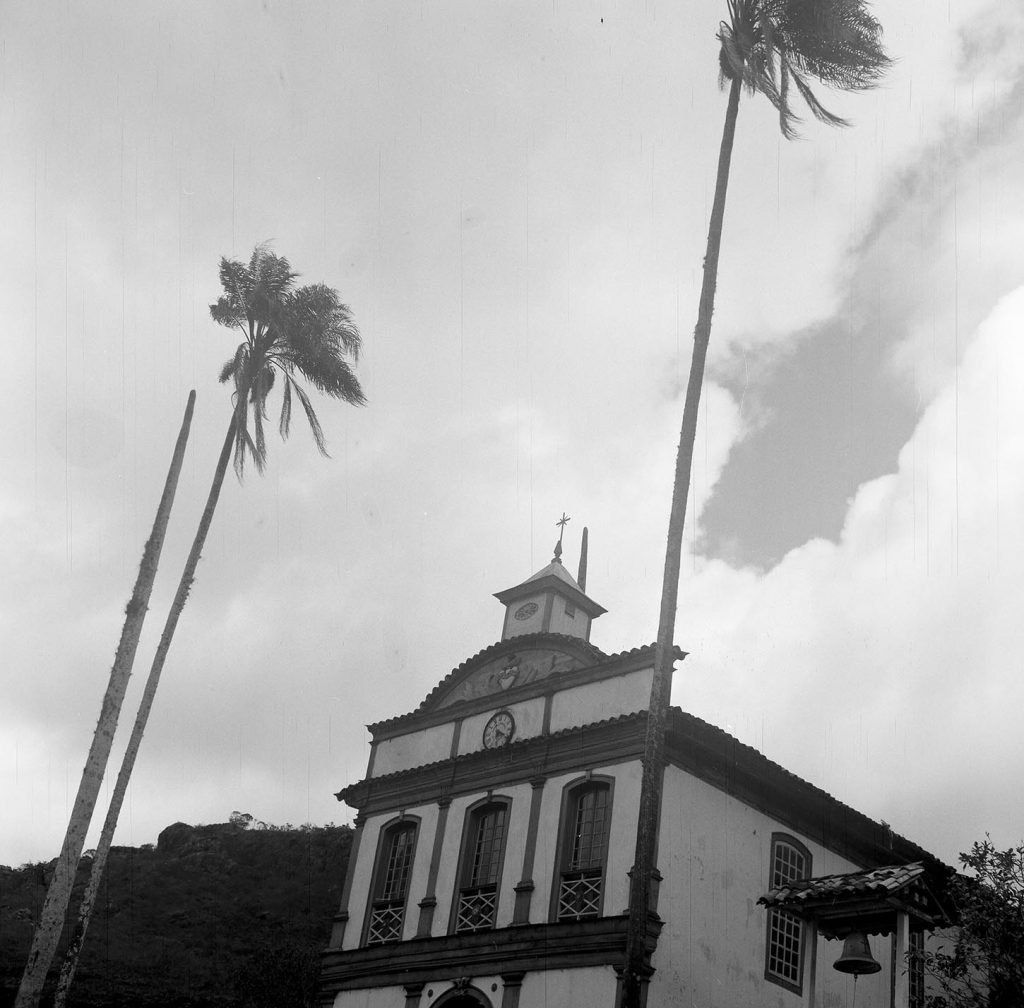
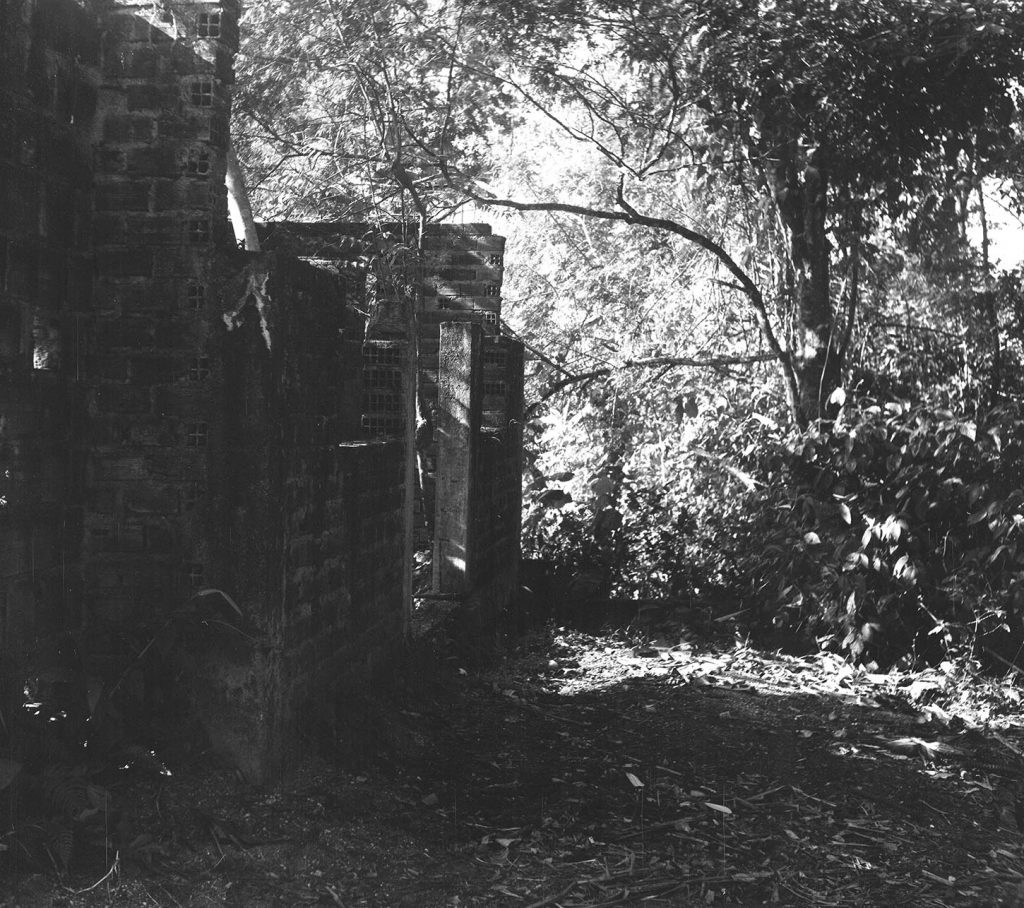
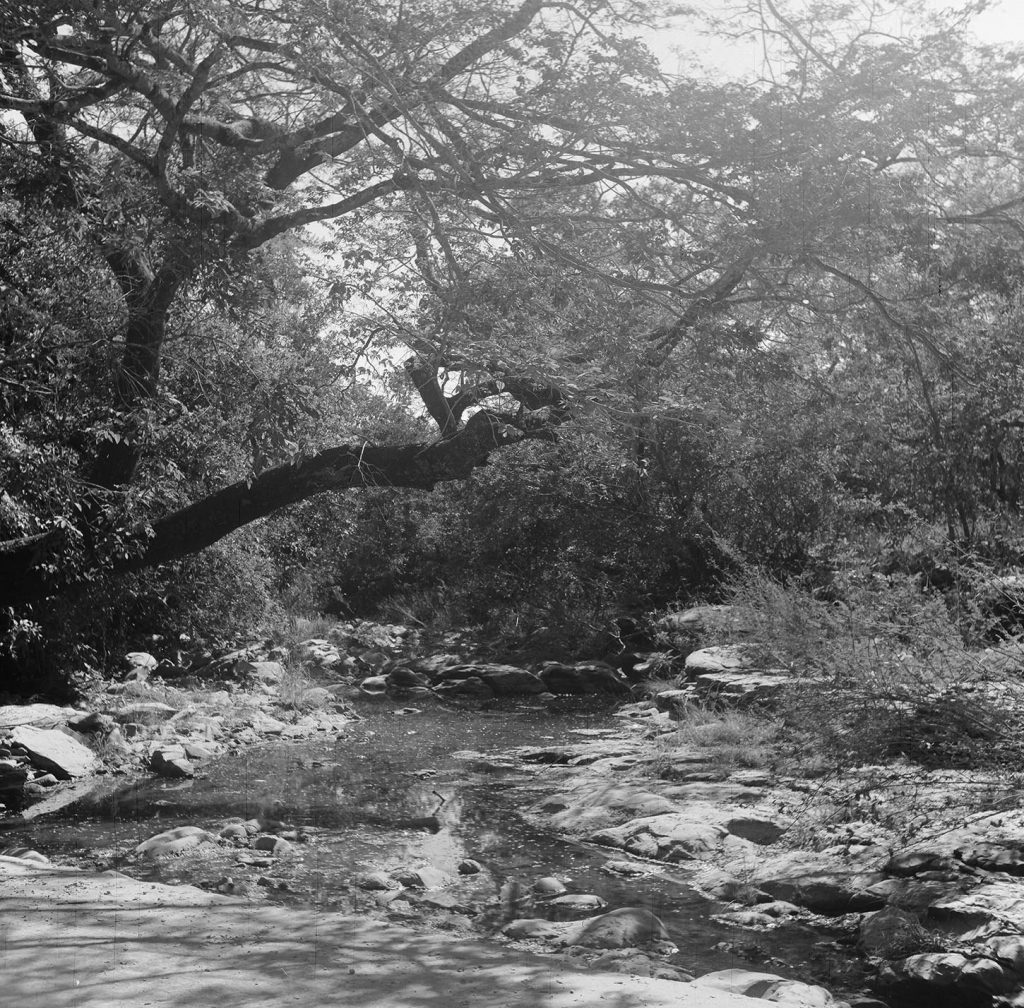
Waterscapes of Time is a photographic series of long images that are made, each one, of an entire roll of film – 120mm . The construction of the visual/aesthetic body of the image, through the overlapping of the layers and partial haulage of the film generating the vertical marks, seeks a dialogue between landscapes and notions of temporal movement.

Thinking about the connections between time and water one could say that it lies on their multiple expressions and the unpredictable character of its temporalities, and it’s an opportunity to perceive the time in nature, in the environment as a whole and in ourselves. The artist’s motivation in this project reinforces the multiple, coexisting and simultaneous character of time within the broad spectrum of life. 

Technique: Analogue photography printed digitally on fine art over Hahnemühle Rag paper.

Format: ca.: 7.5m X 0.5m each.


Open Place

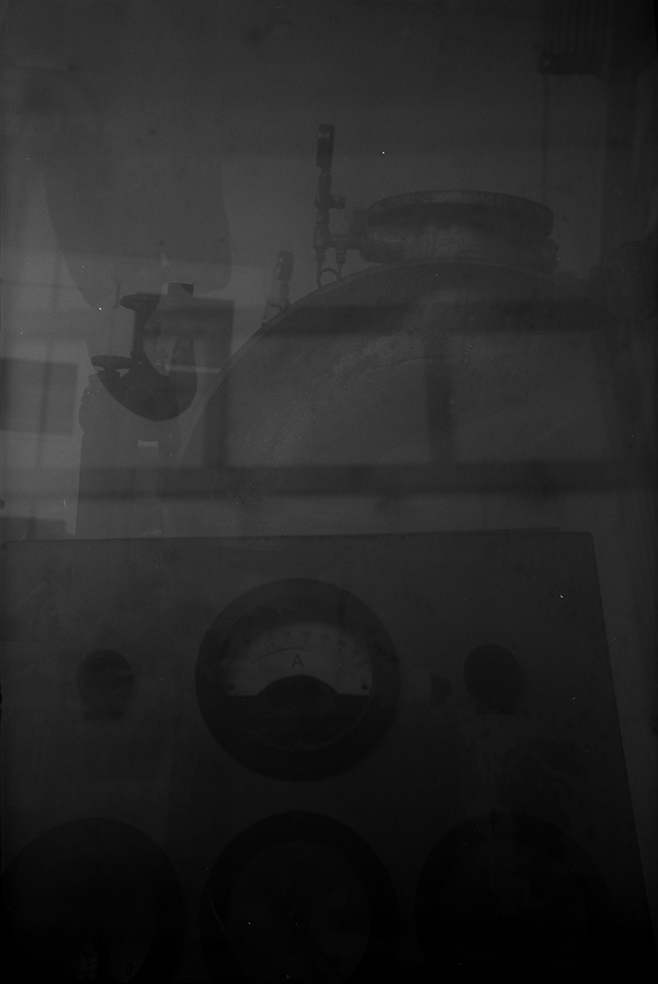
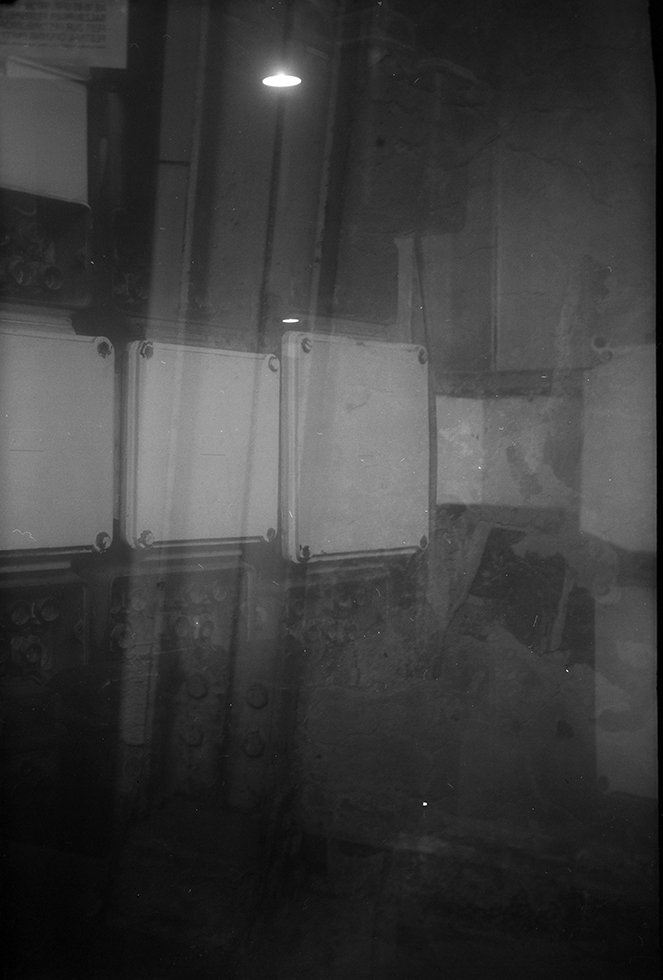
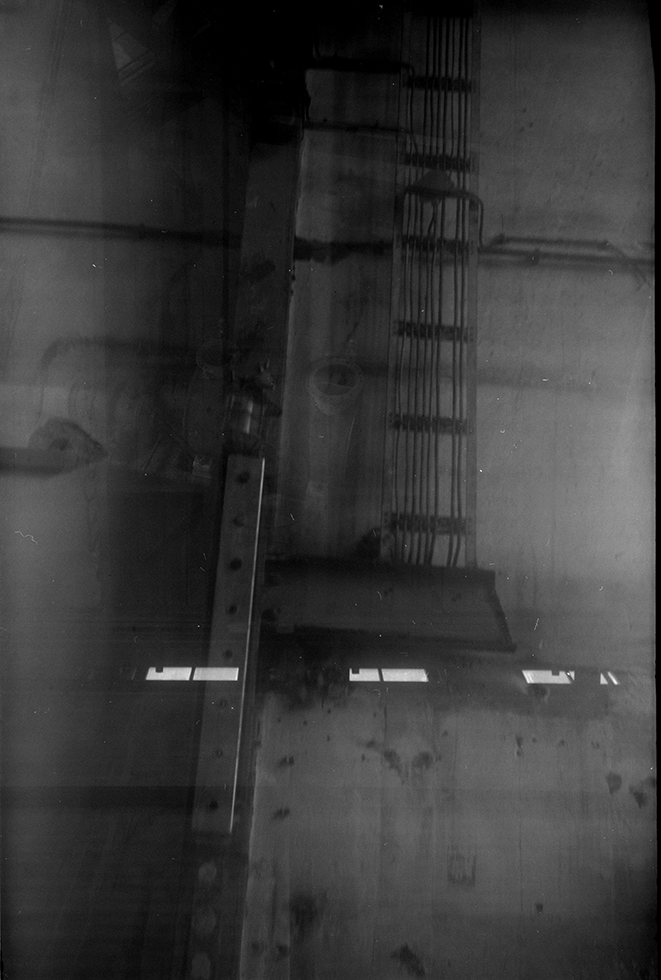
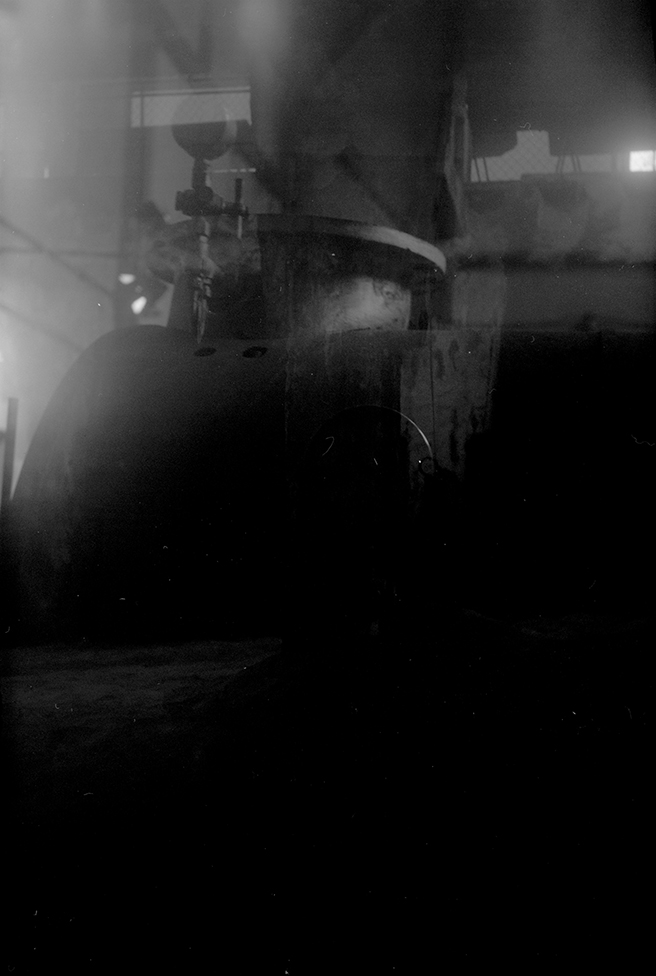
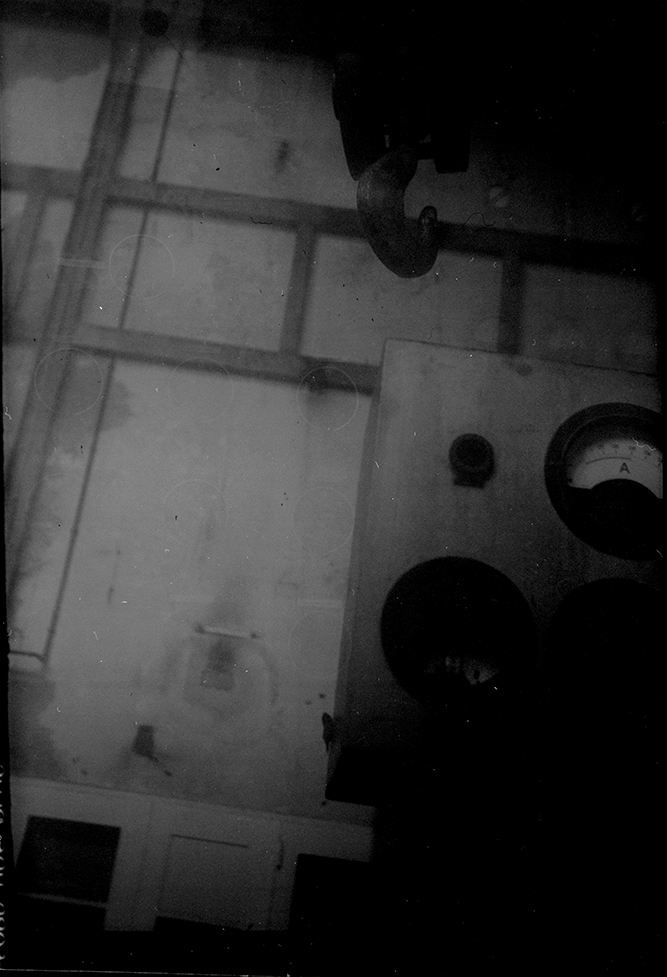
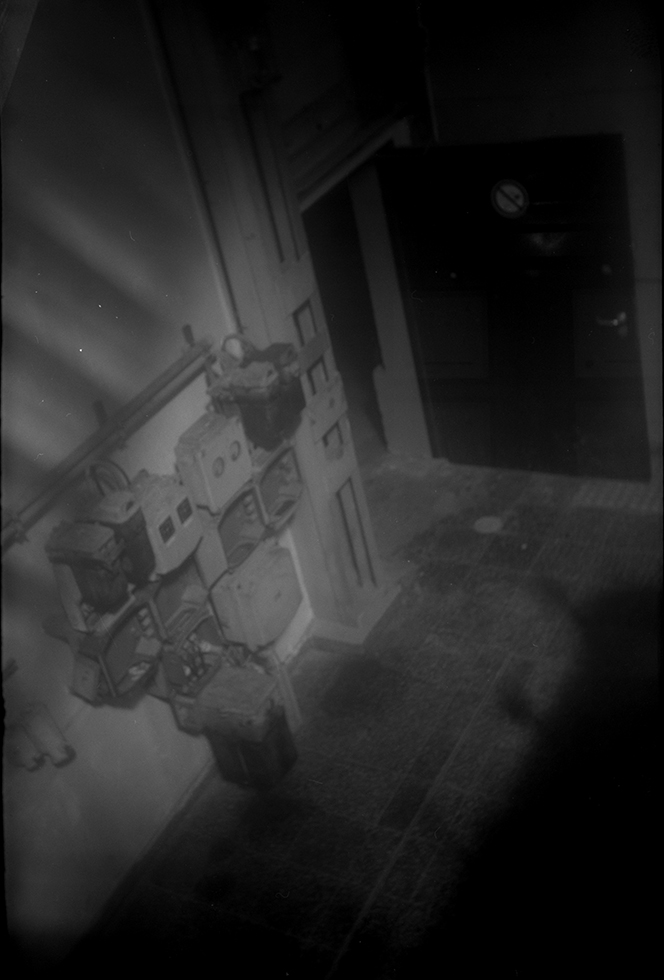
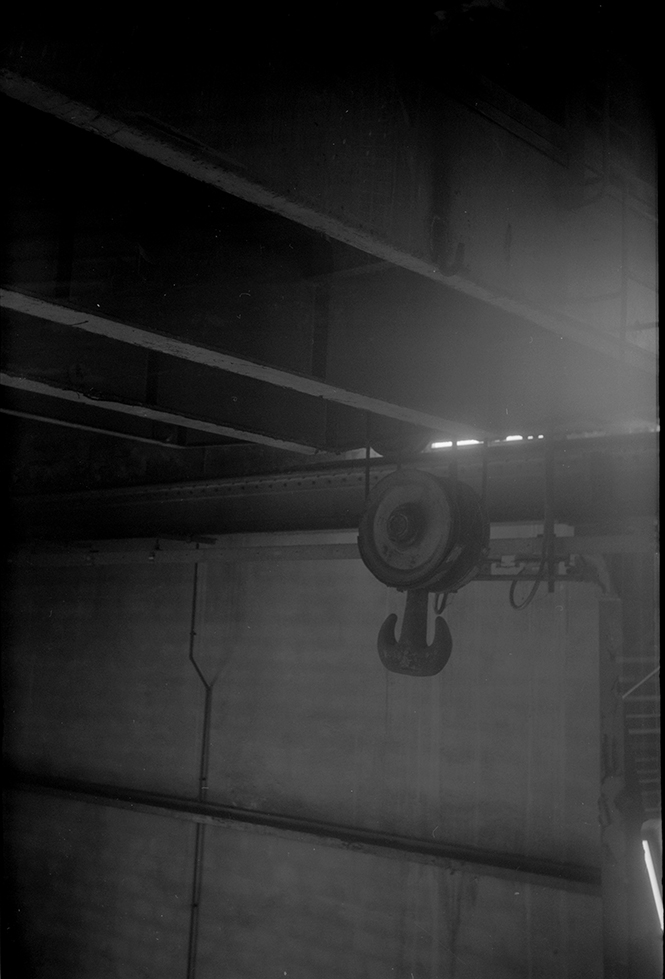
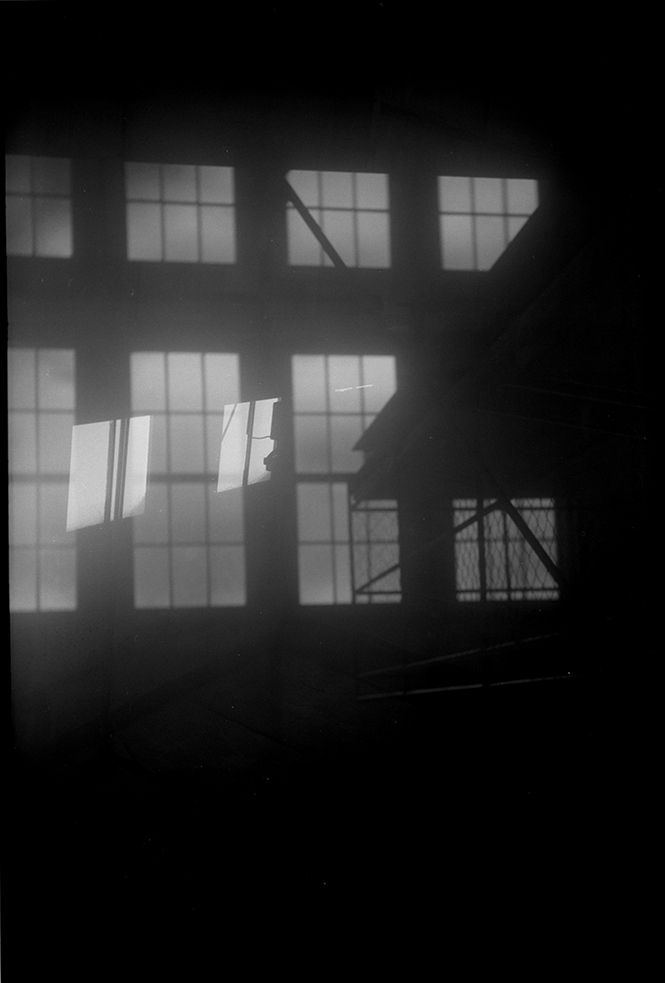
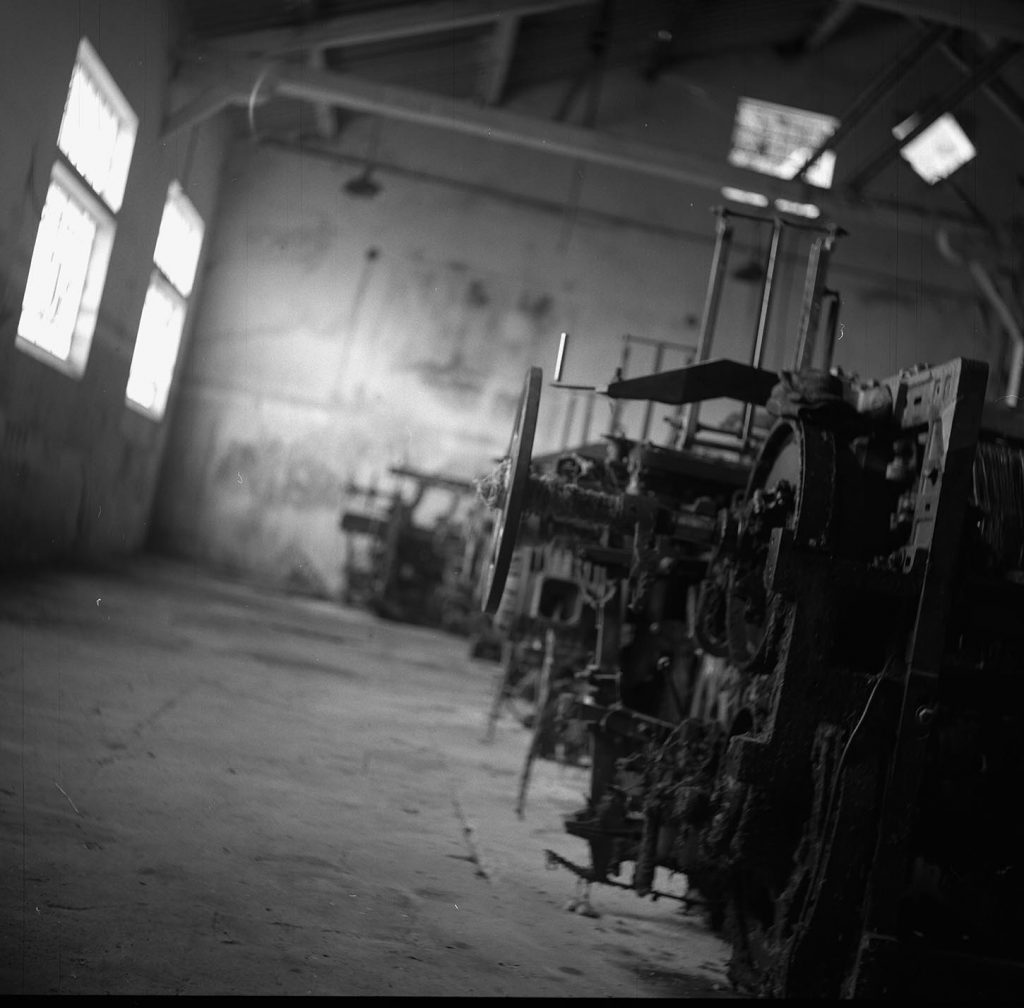
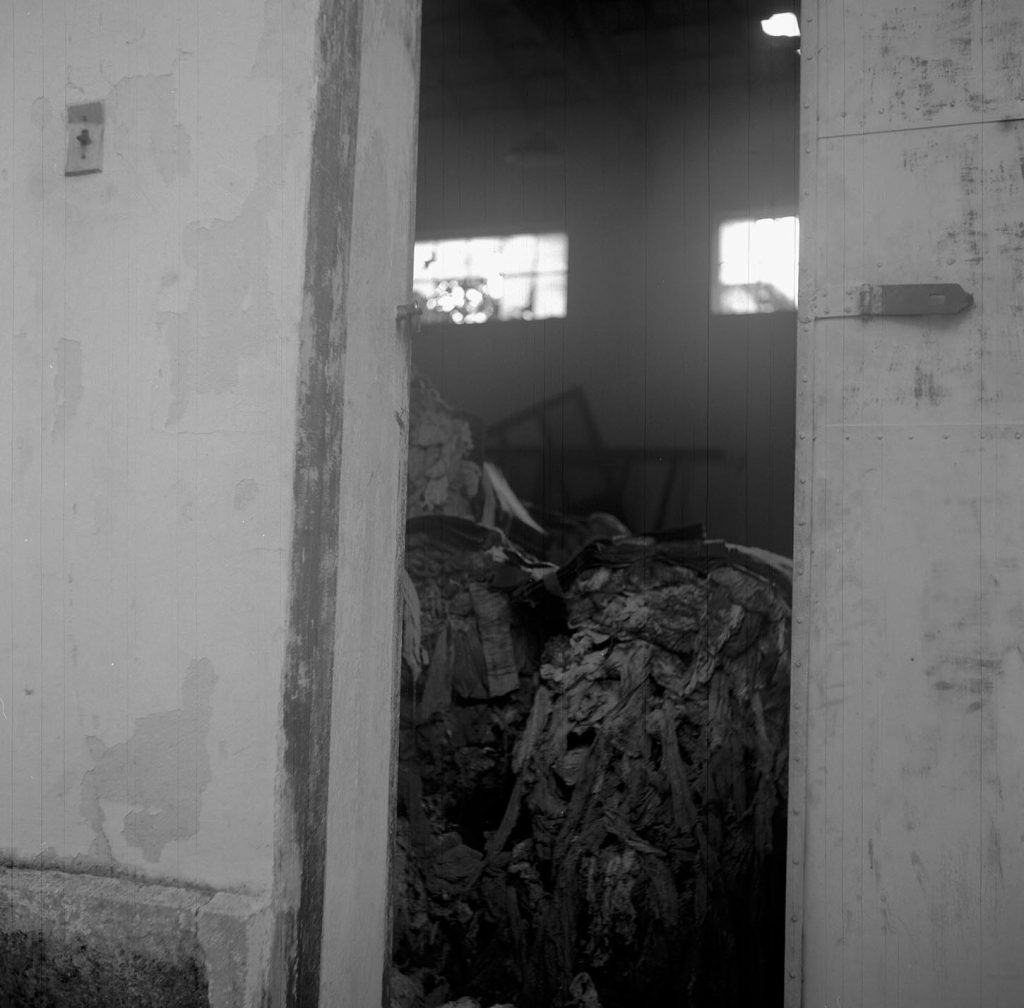
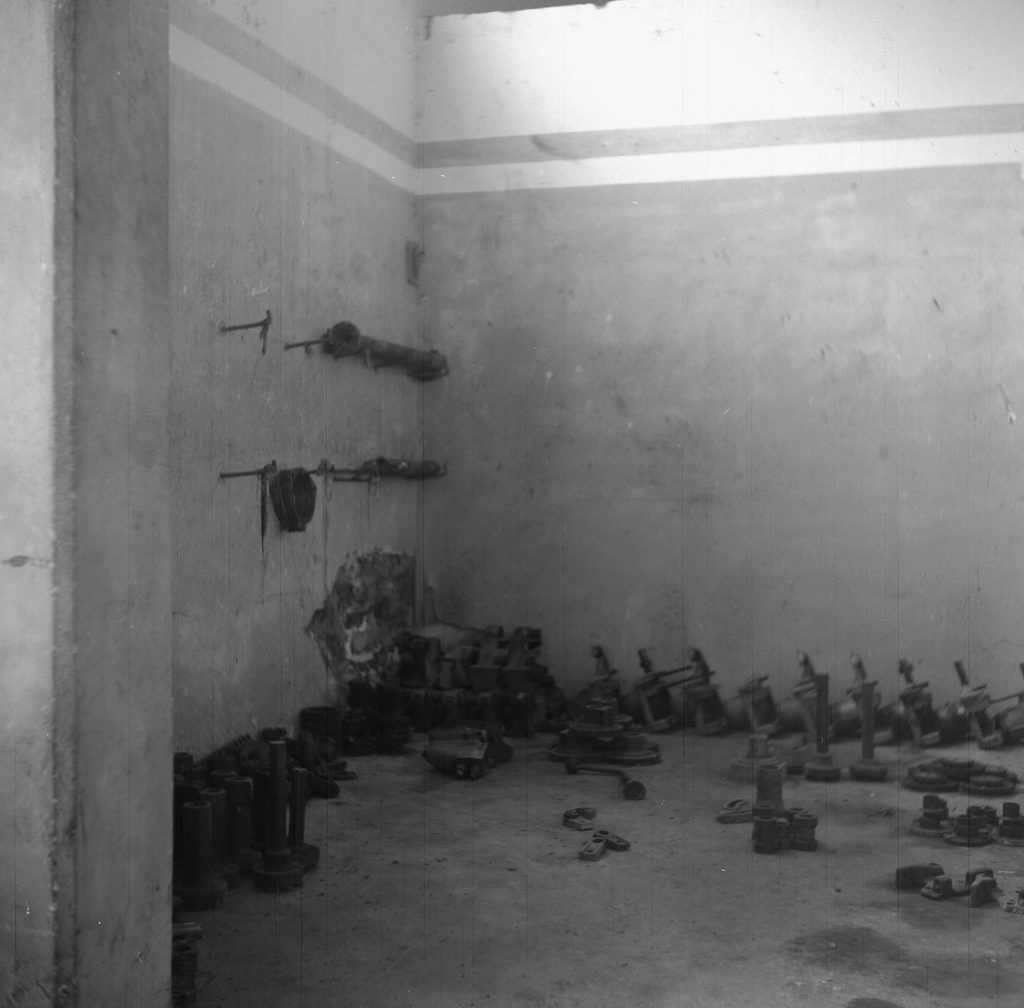
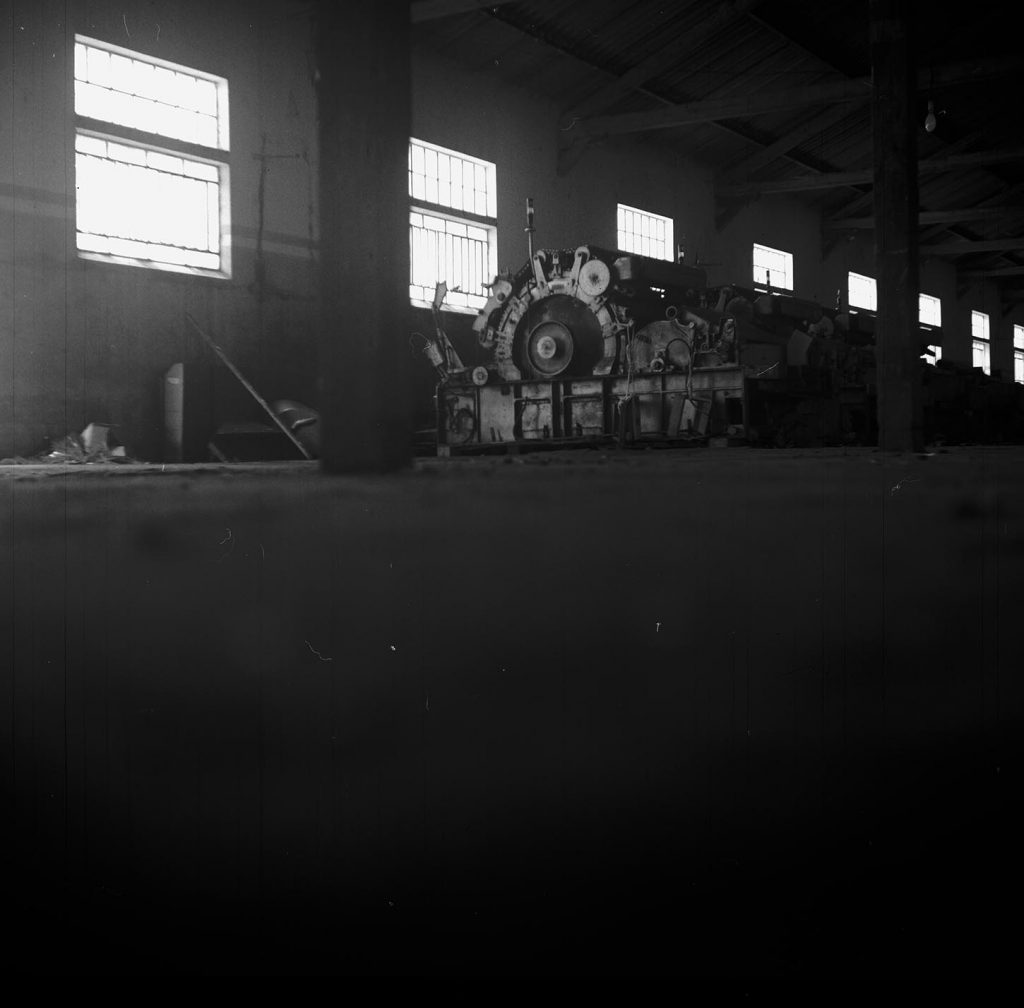
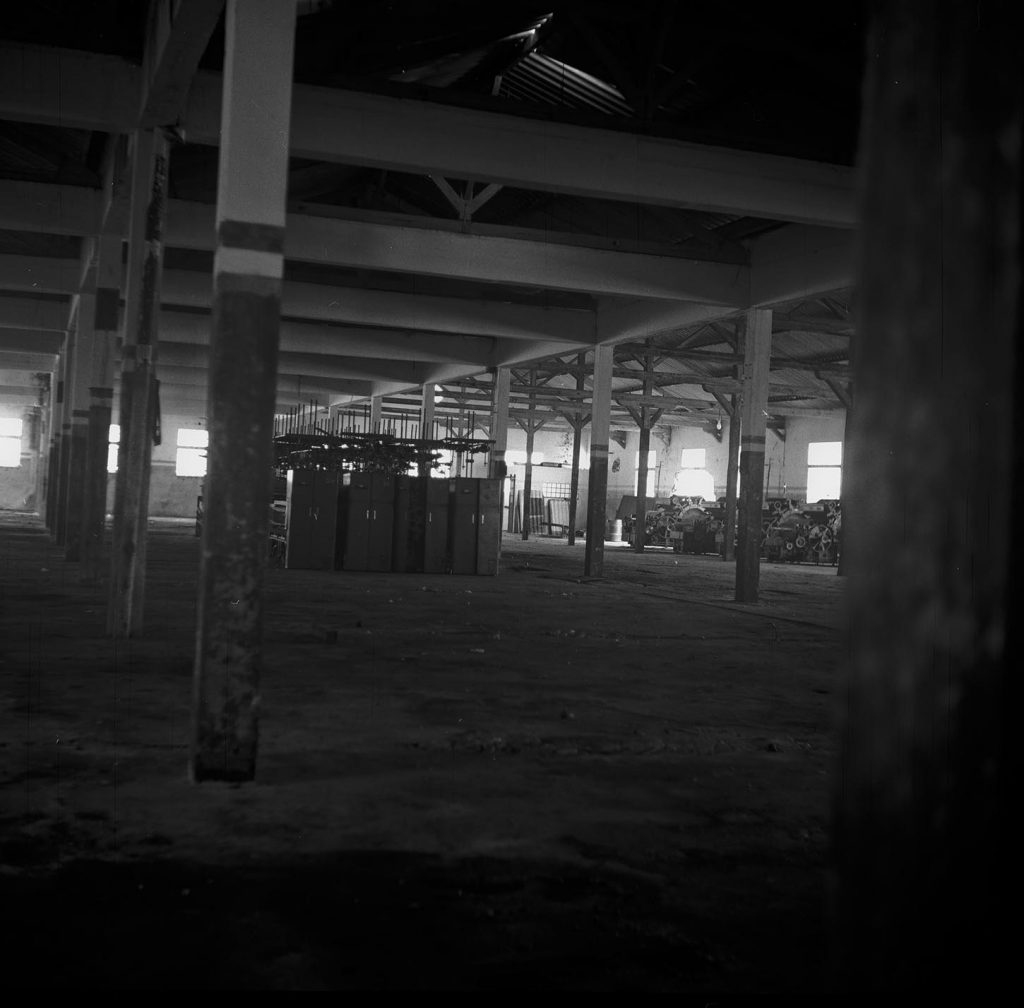
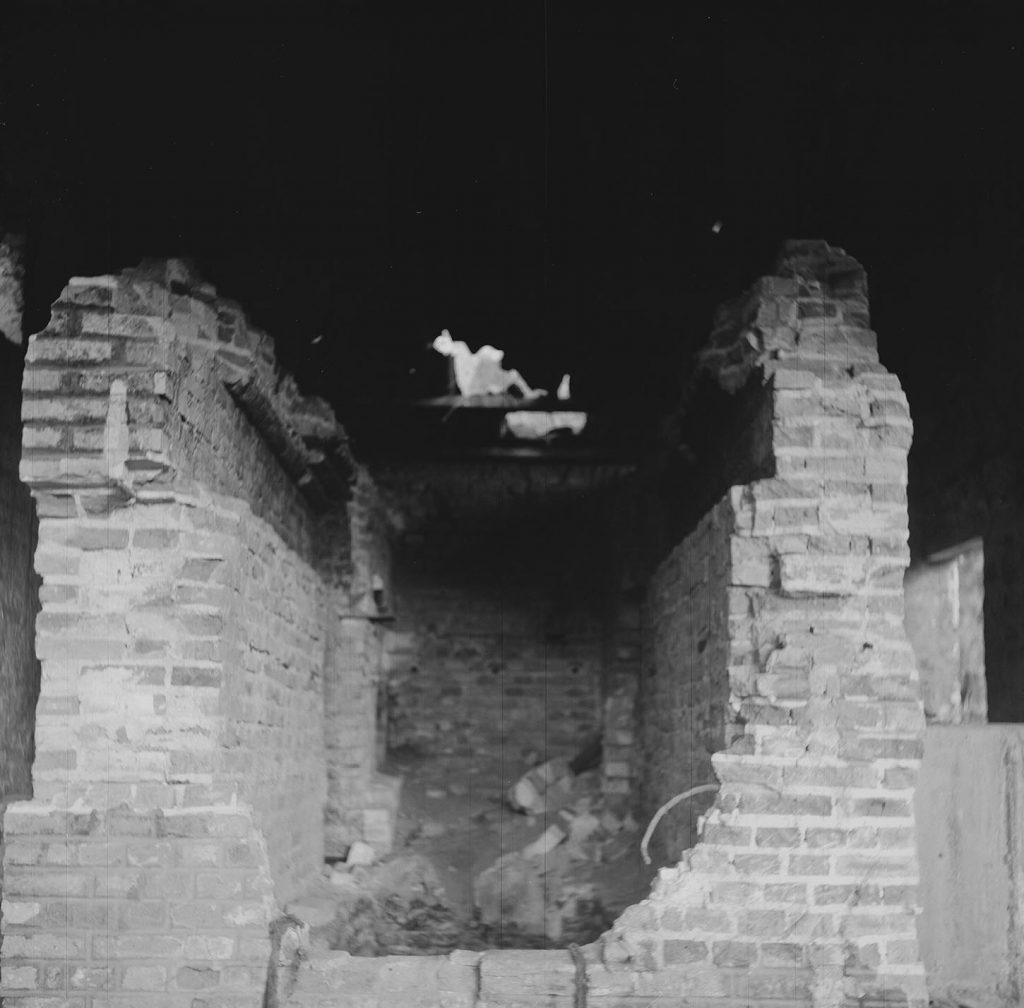
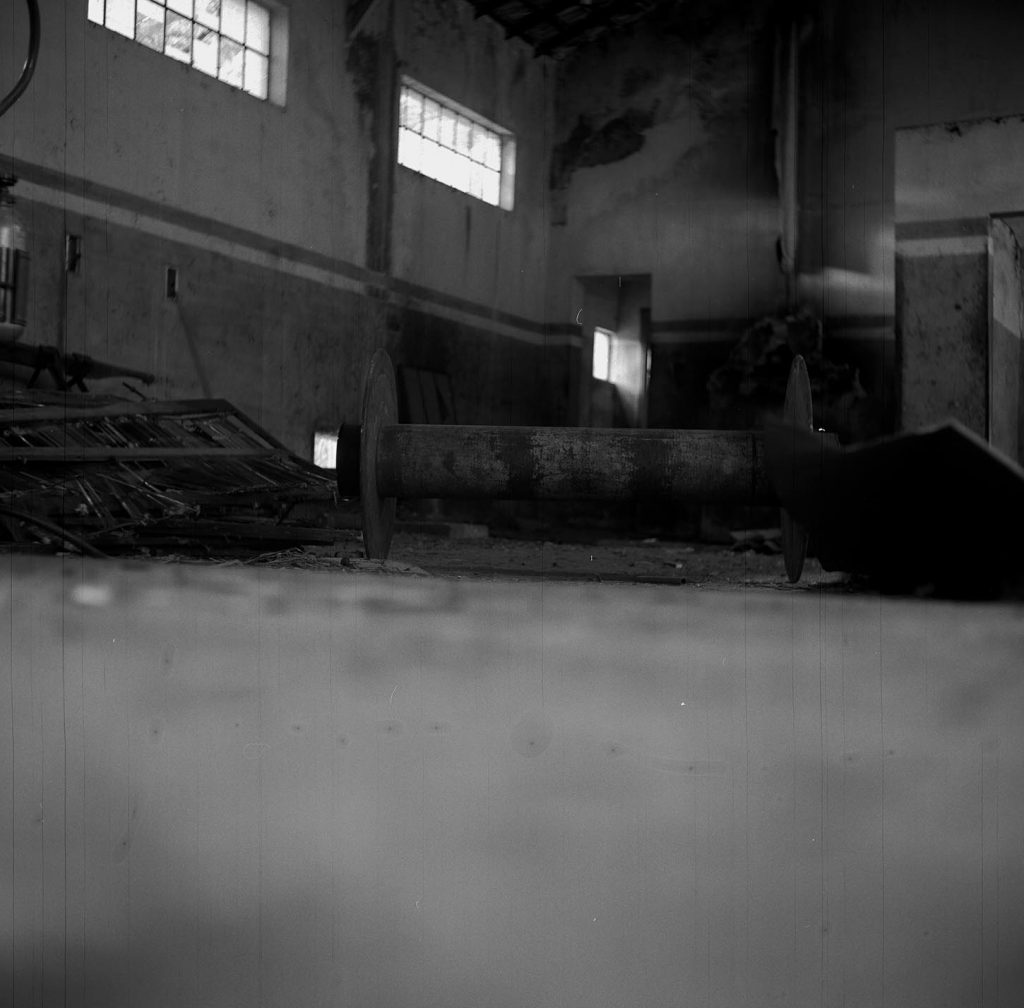
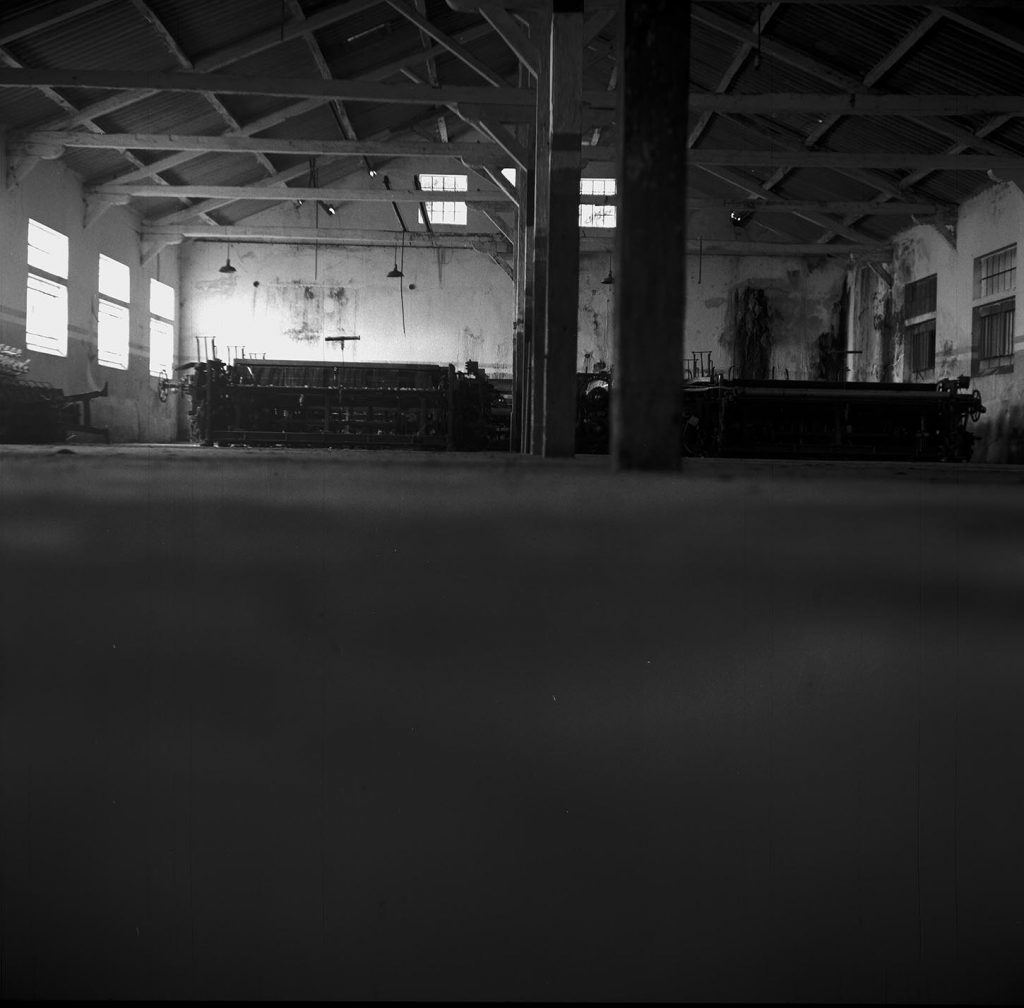
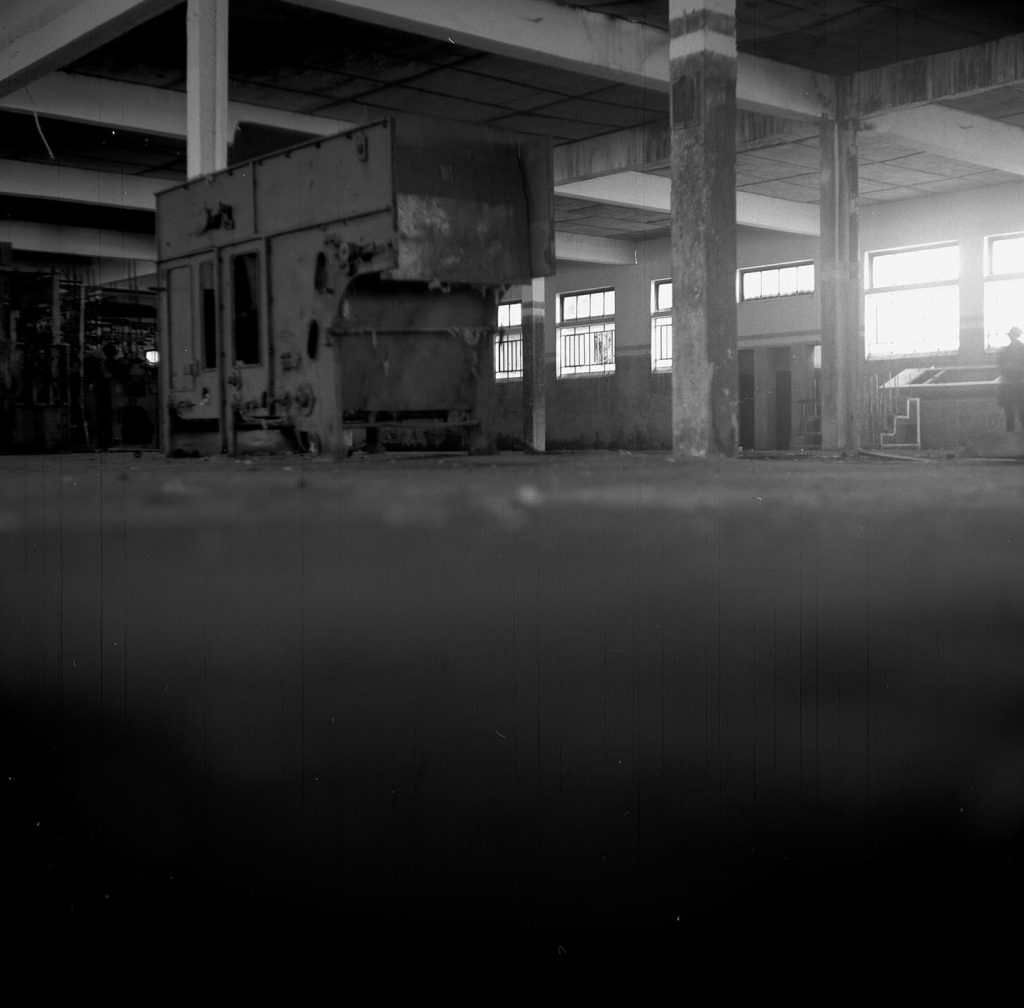
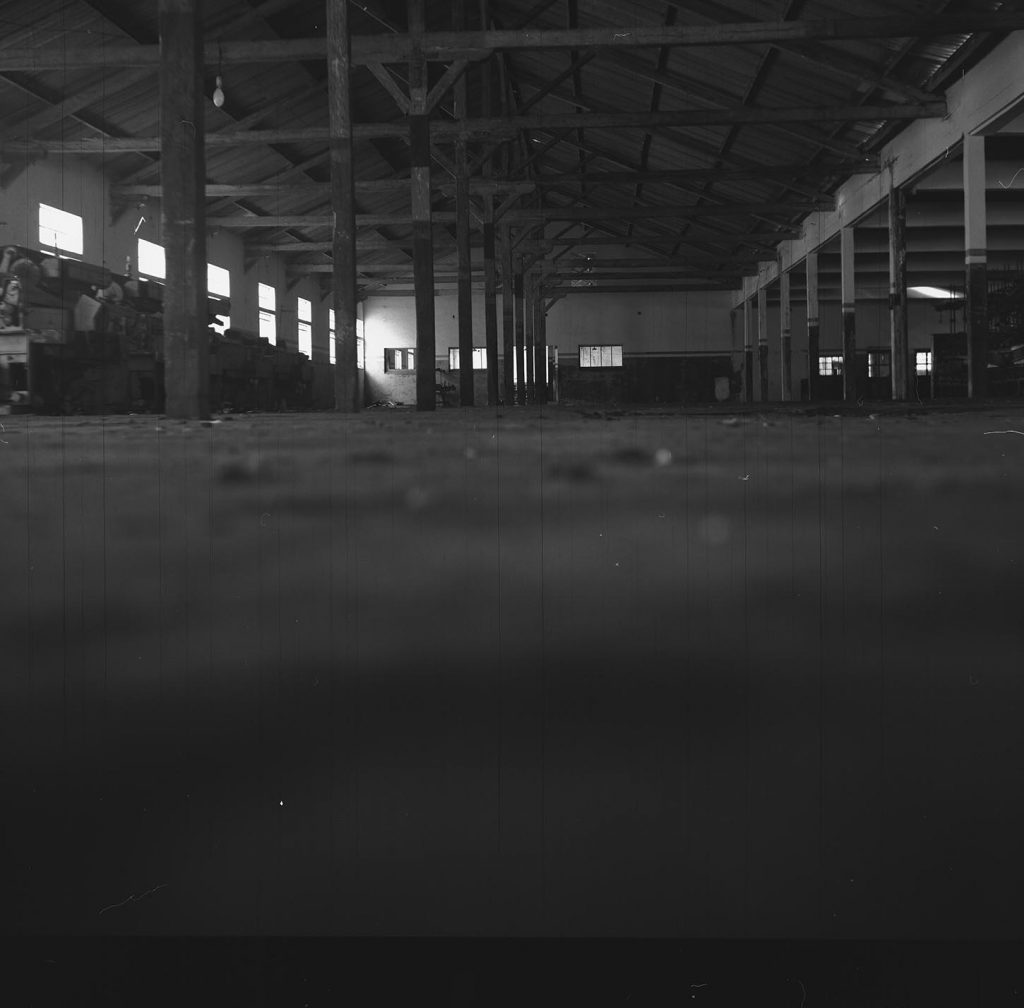
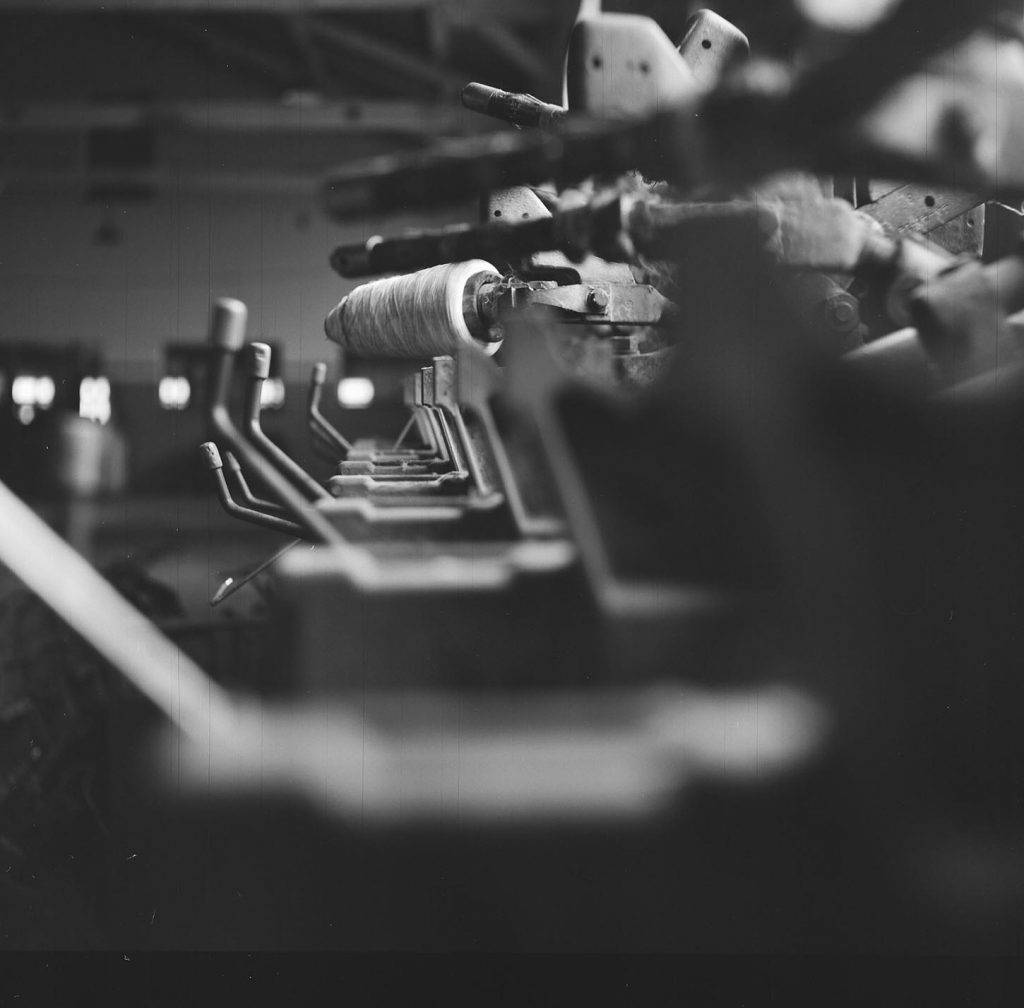
Open Place is a photographic series taken at the old factory “Alte Saline”, Hallein, Austria. 

It was developed during the art event organised by the “Internationale Sommerakademie für Bildende Kunst Salzburg” in 2012. 

Conceptually it deals with the idea of constructing imaginary places with real references and to present them to the viewers as an invitation for creating other places and remembrances. 

First the photographs and the video were exposed inside the factory and later was brought to the major event of  Bienal 1 housed in the old fabric factory “Galpão CentoeQuatro” in the city of Belo Horizonte, Brazil.   

Technique: Analogue photography printed digitally on fine art paper.

Format: 1,70 X 1m

Emblems

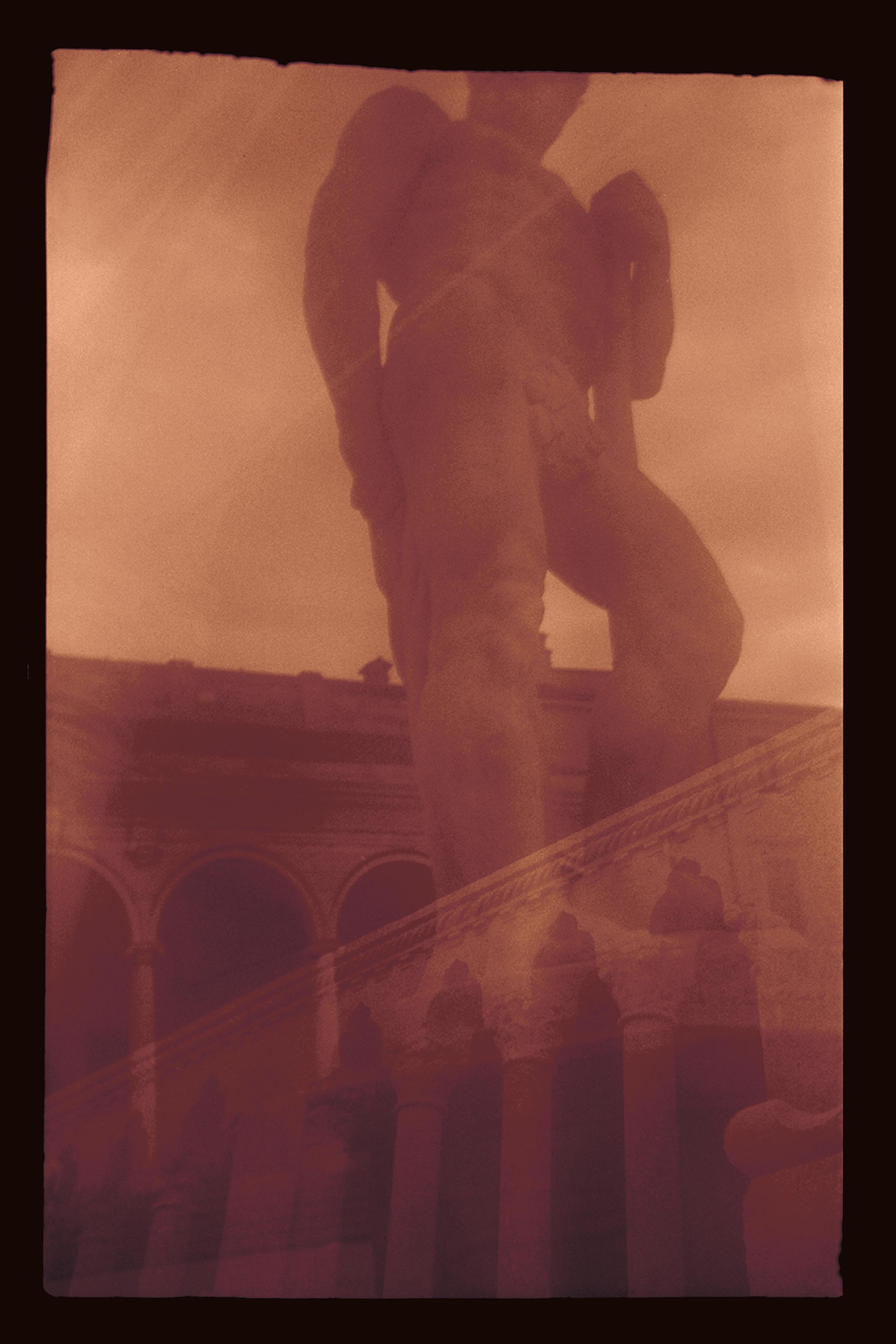
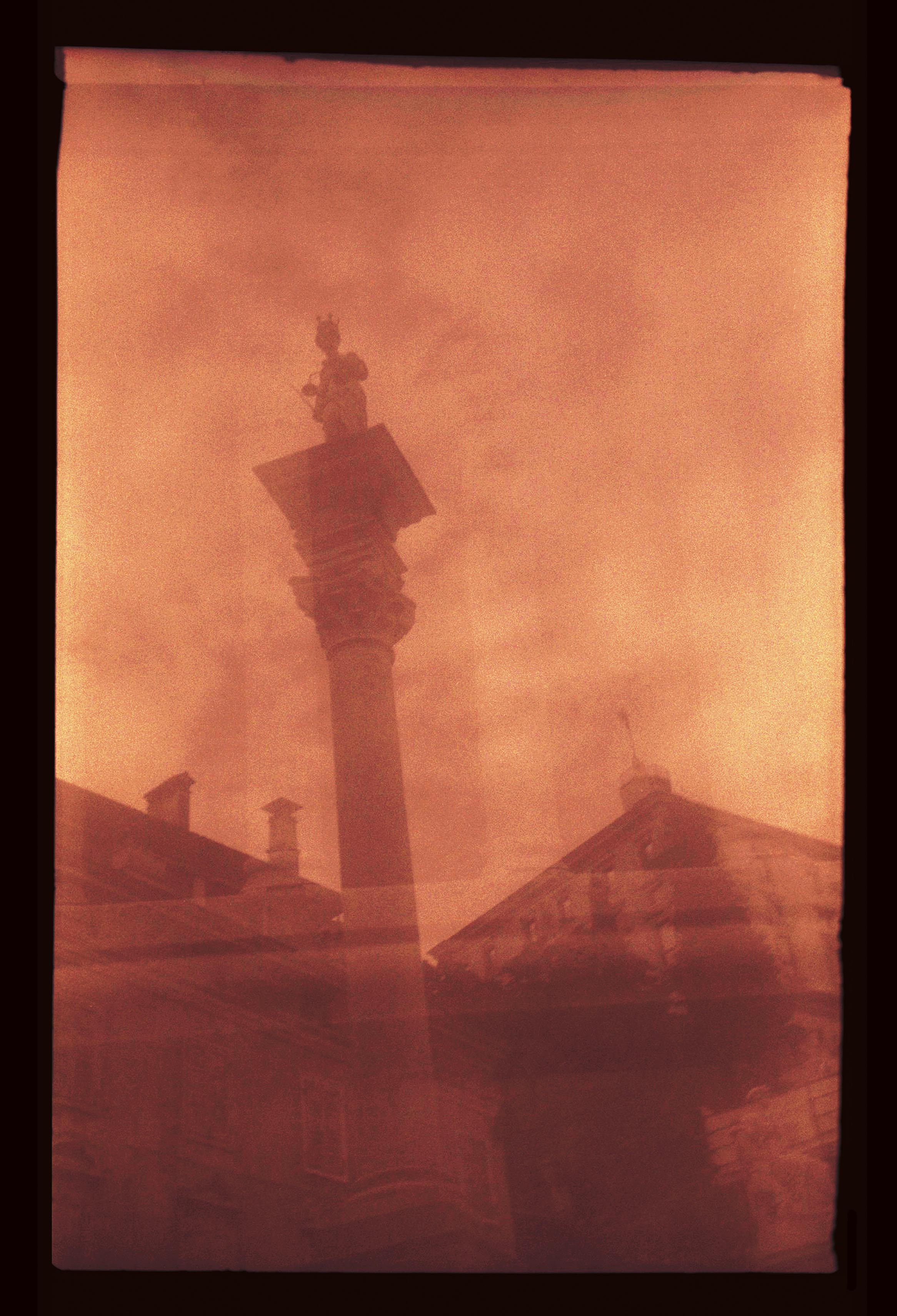
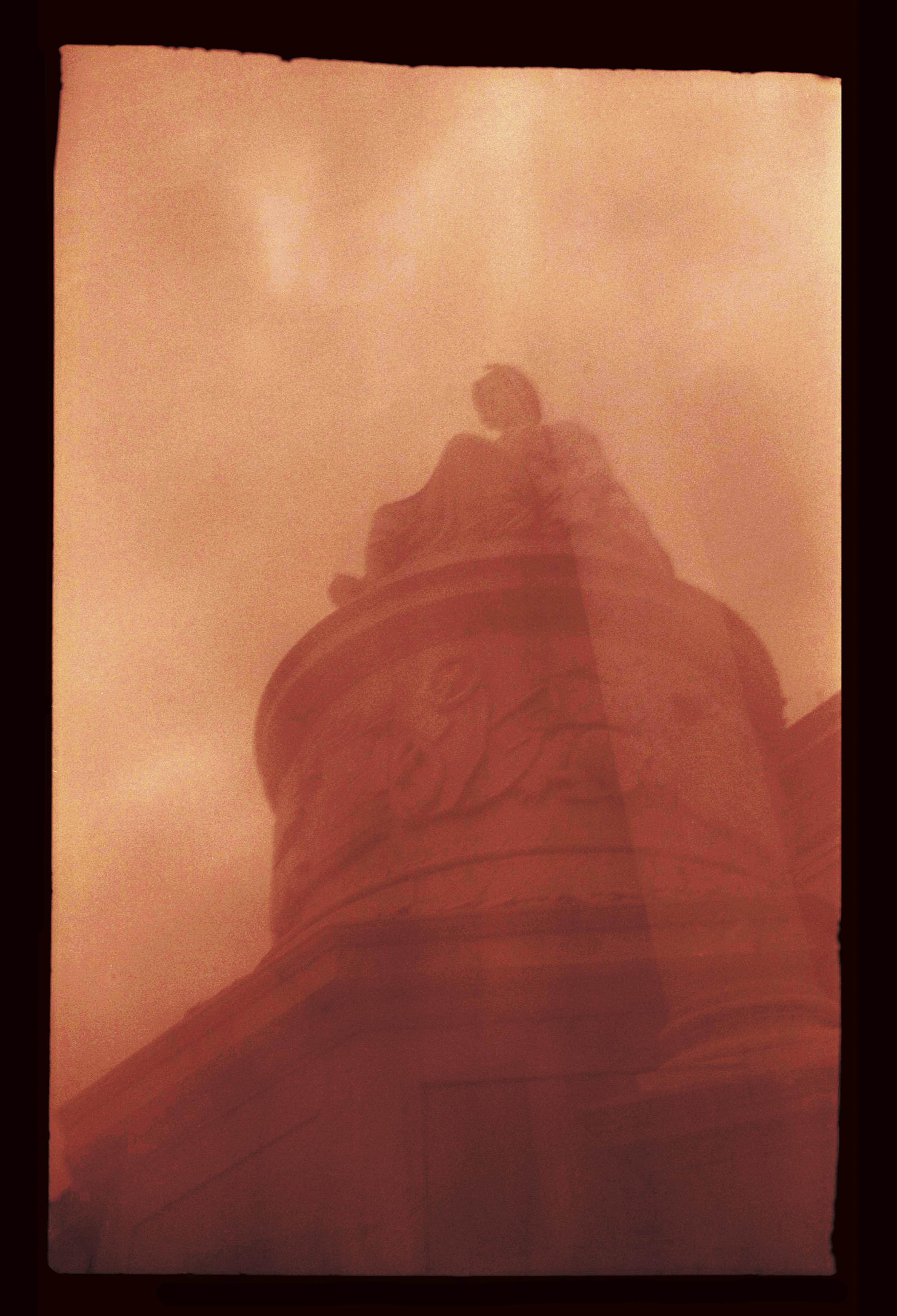
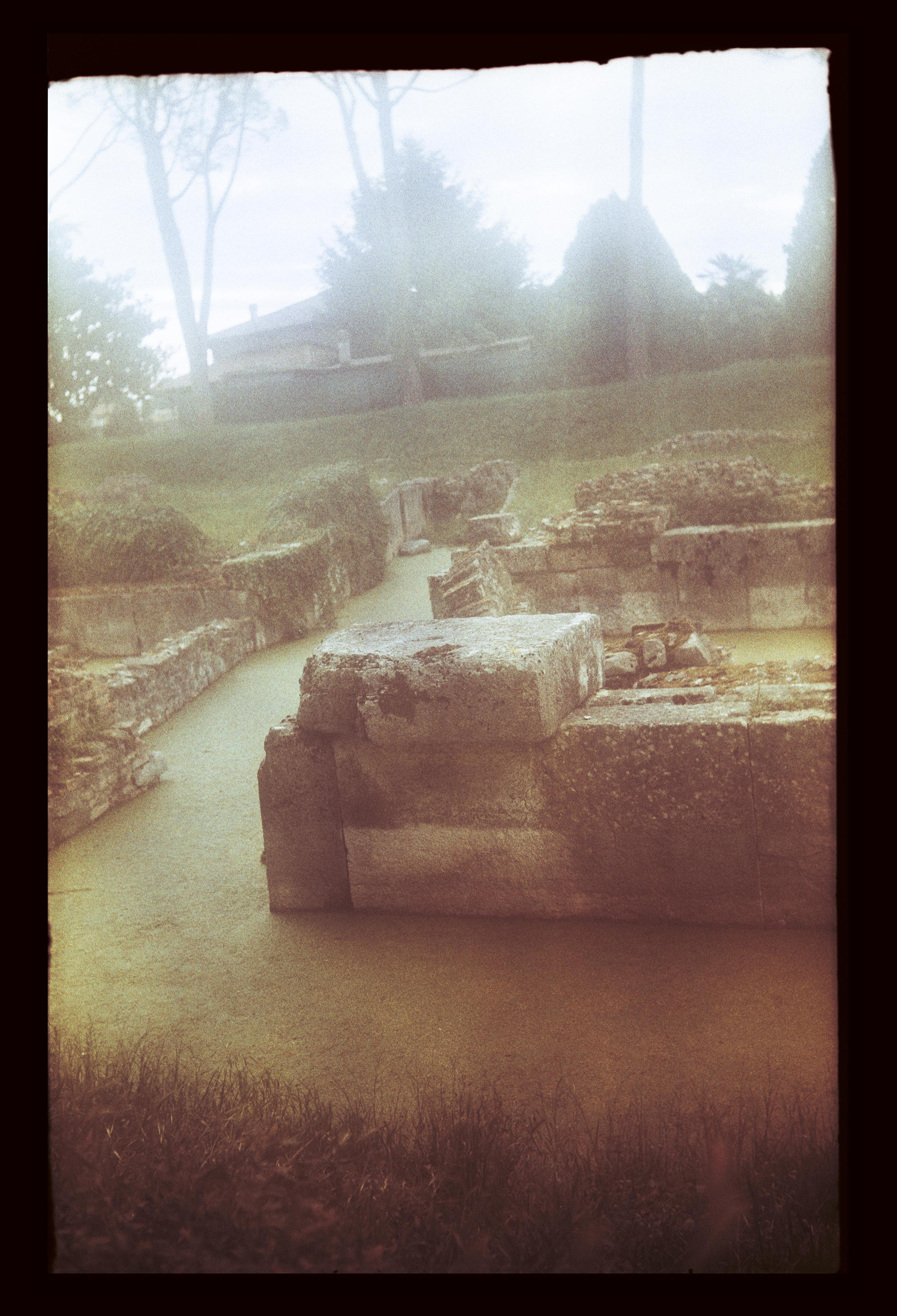
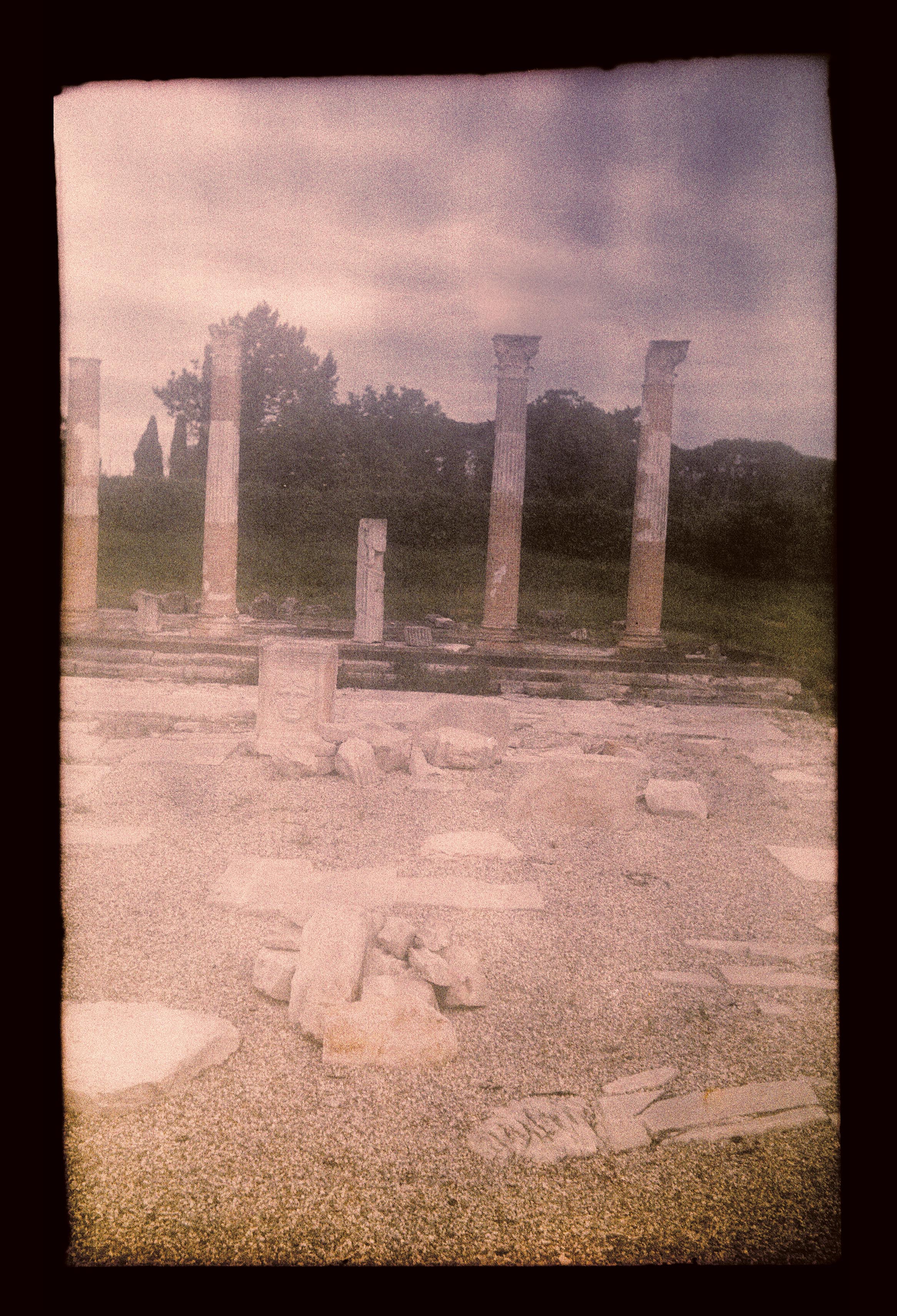
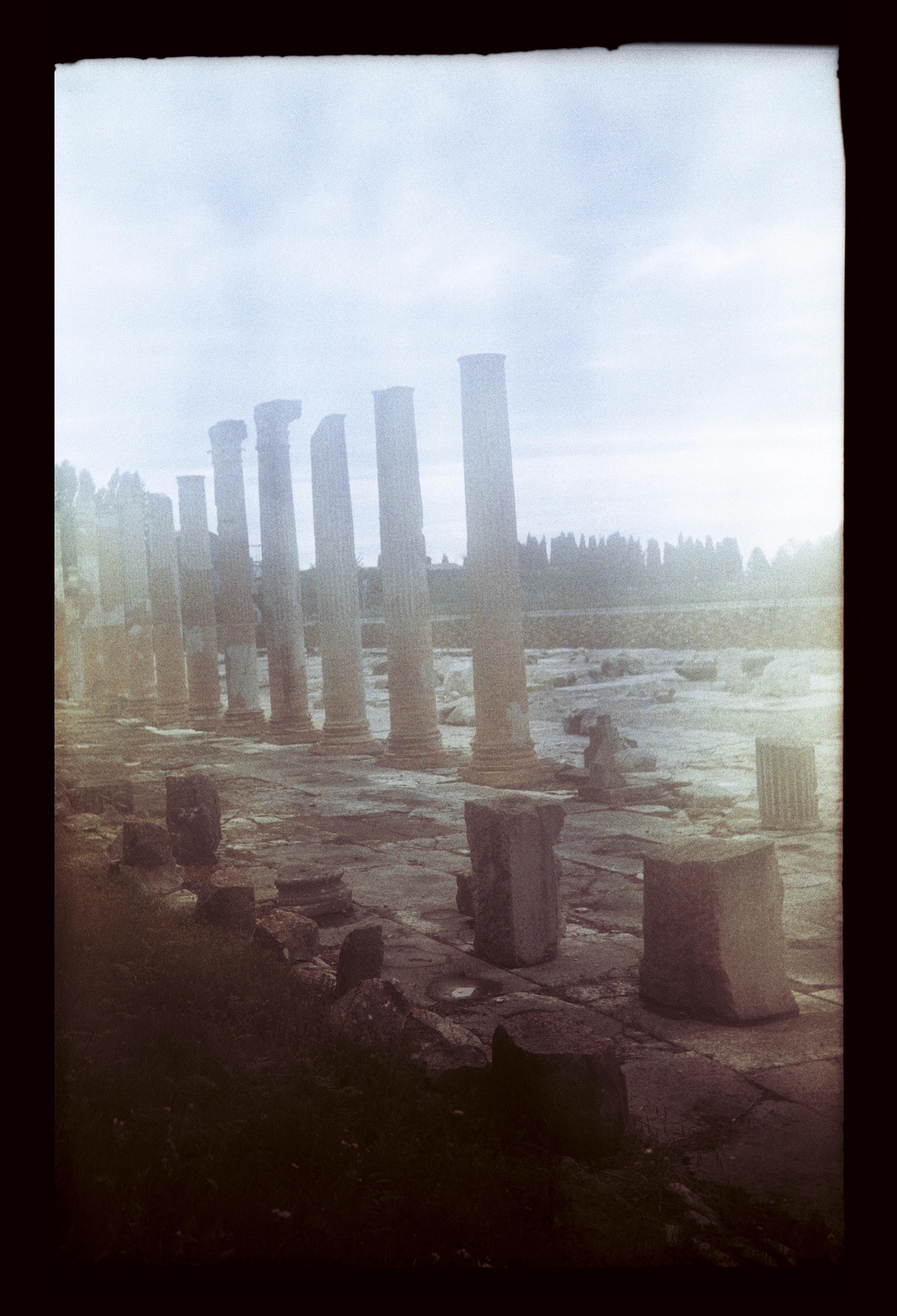
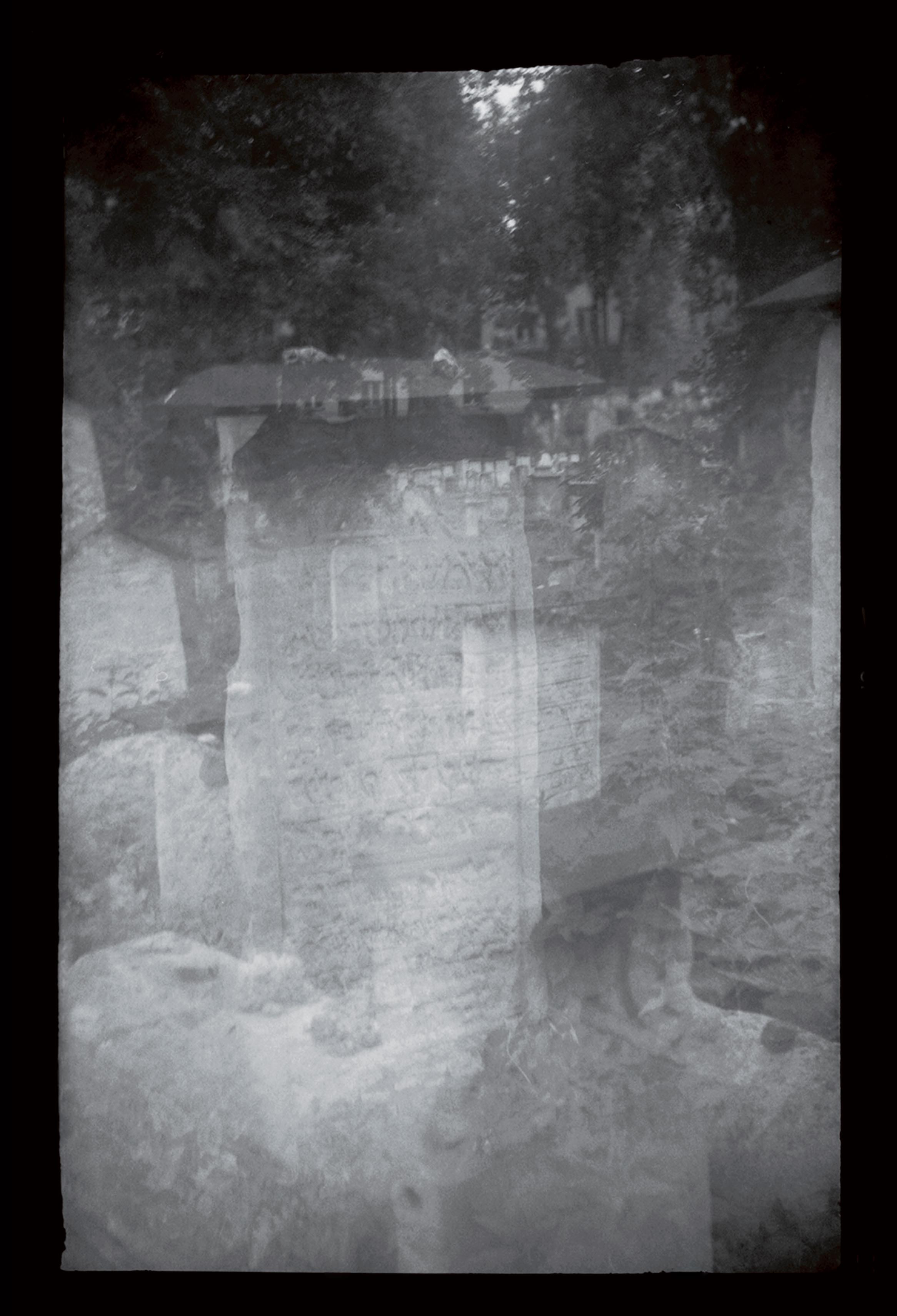
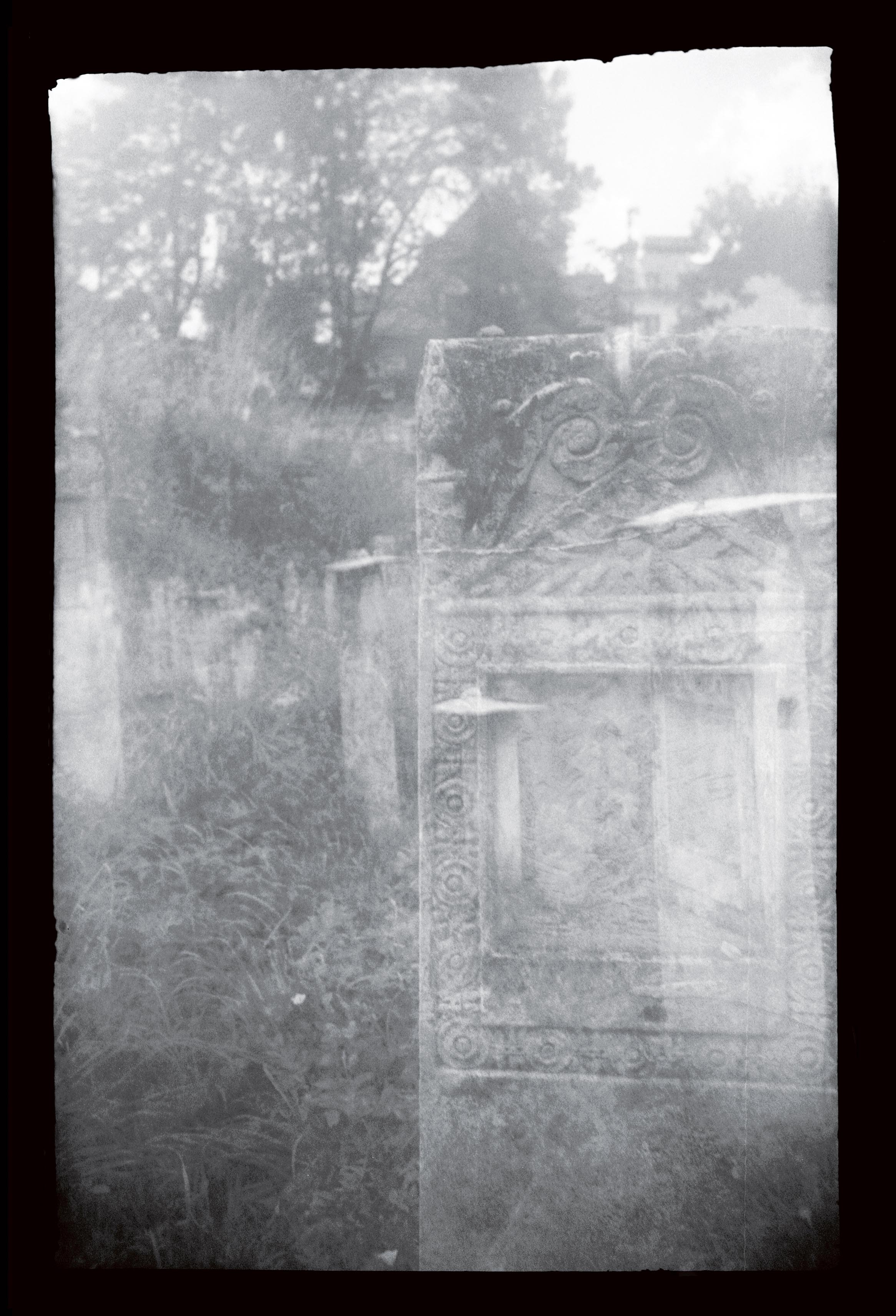
Emblems is a photographic series inspired on Andrea Alciati‘s book of emblems. An Emblem is a work divided in three parts: title, image and text. Largely made in Renaissance, the emblems have text and image working together to enlighten moral truths, political, cultural and religious values, in ways that have to be decoded by the viewer.

In this work, photographs are creating the allegories for new emblems of the contemporary civilization and people are conducted through an imaginary trip to the emblems of humanity, architecture, civilization and time.

Architecture is fundamental to discover more about a community. As it is possible to study in the monastic legacy, people seem to need “places” to put “remembrances” and architecture itself reflects this theory. One could find in every single part where life persists, places where history dwells and from this, make interpretations about how people are acting, what they have made in their trajectory, what is important for their culture and so on. Architecture shapes somehow the outlines of a community.

Technique: Analogue photography printed digitally on fine art over Hahnemühle Torchon paper.

Format: 32,9 x 48,3cm.

Ex-Libris of Memory

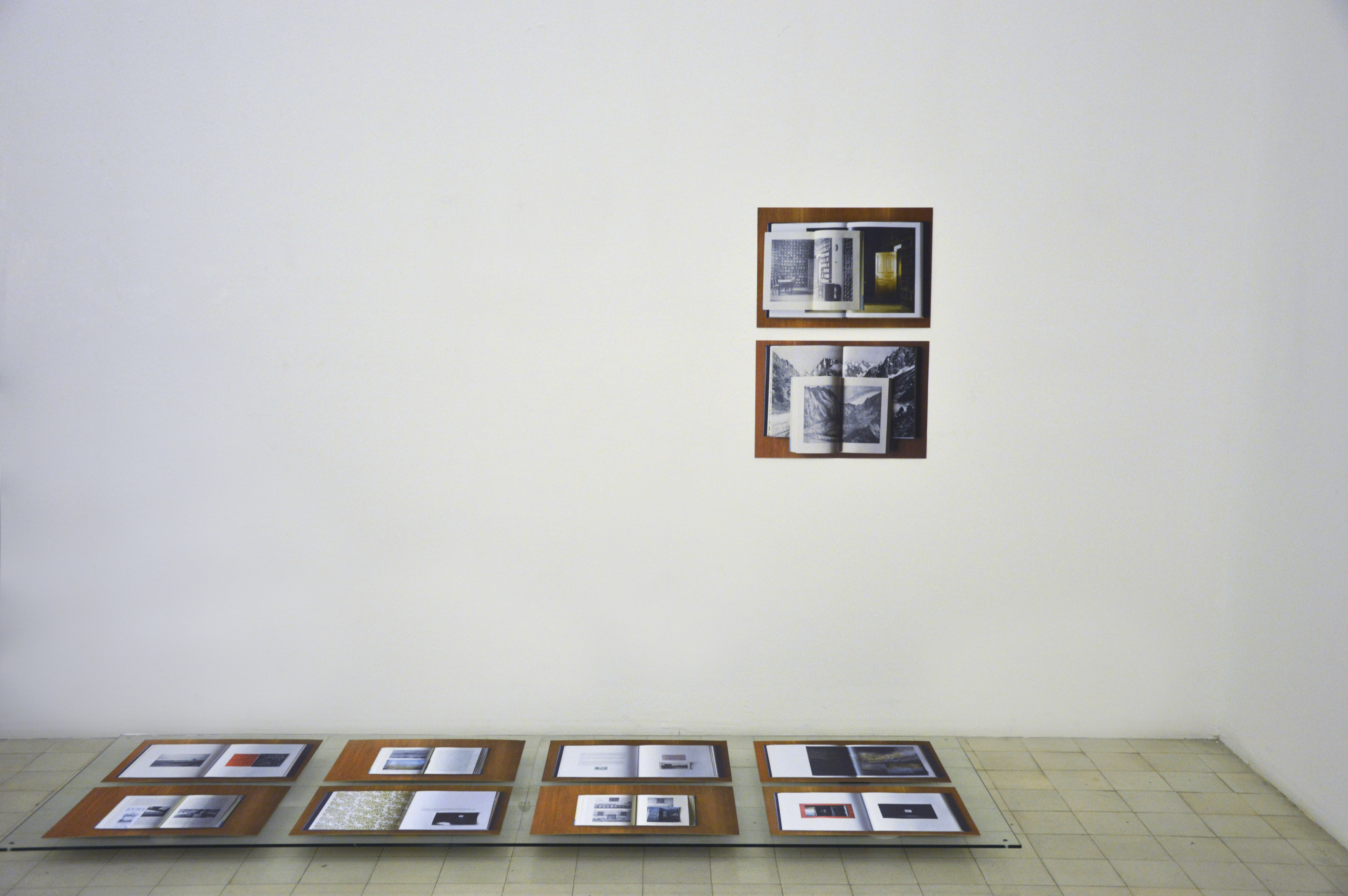
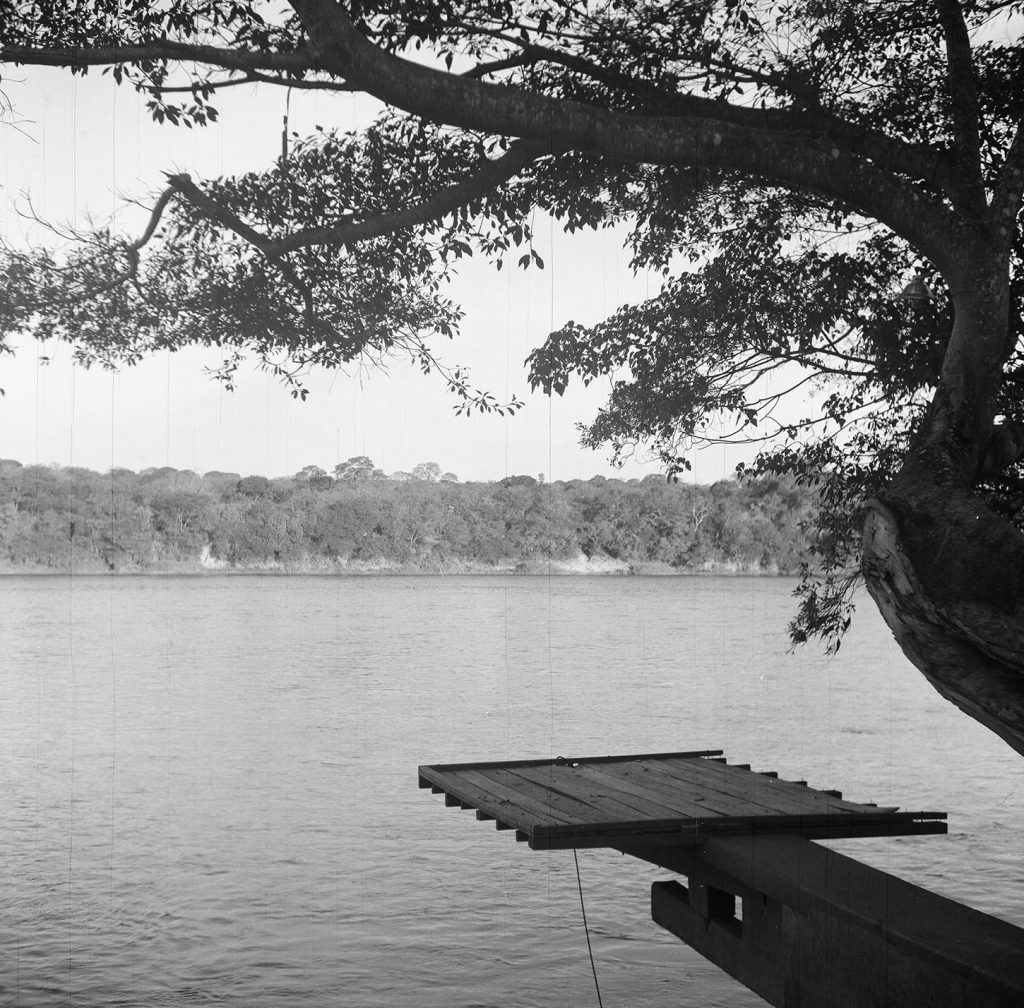
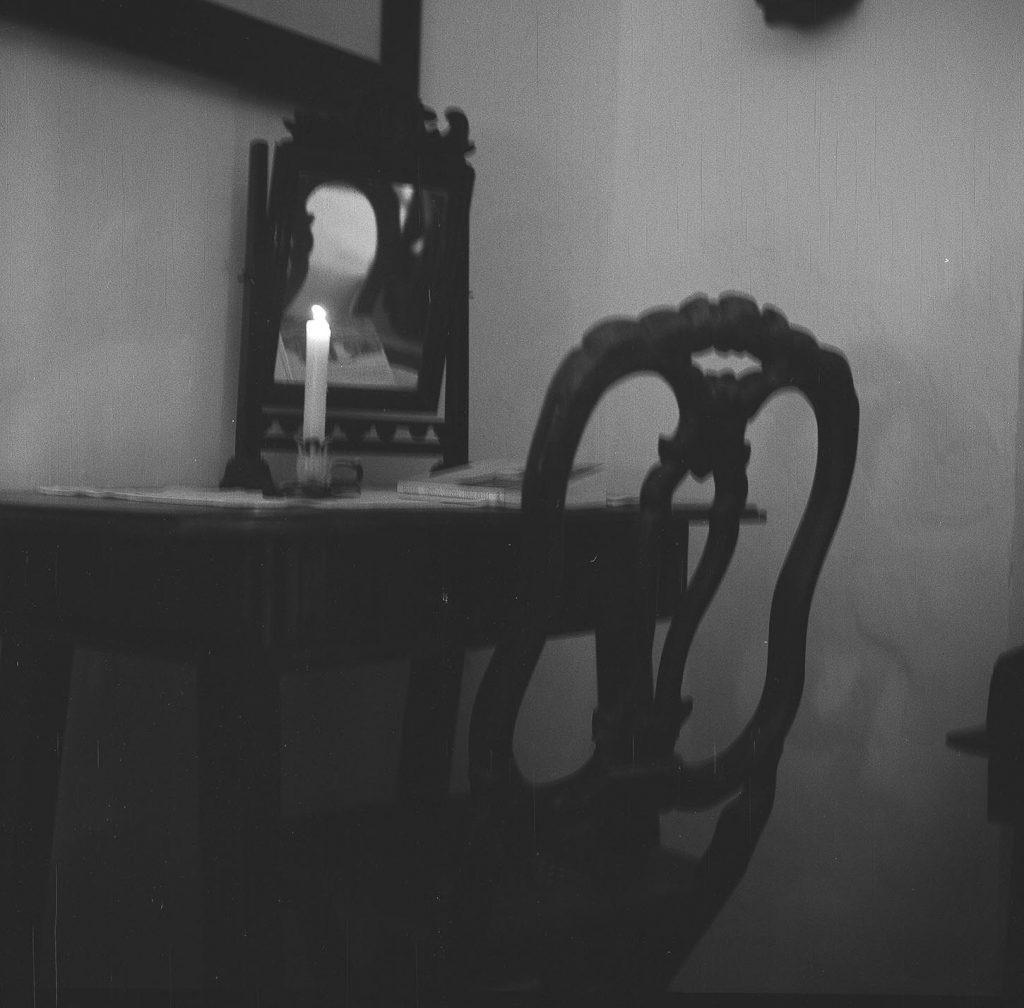
Ex-Libris of Memory is a photograph series published together with some essays in the artist’s book “Memory and Image”, with versions in English, Portuguese and Italian.

The photographs dialogue with the art of memory, the idea of a palace of memory and the archive. It also deals with the bookish heritage of the ex-libris stamps, since literature has been responsible for crossing the culture for countless generations and libraries are, by themselves, mnemonic places. Nevertheless we should notice that only who is alive is able to remember.

Technique: Analogue photography developed with traditional chemistry on photo paper.

Format: 25 x 25cm

The images appear. 

I am transported to a place

where I experiment sensations

that seem to belong to the present,

but they are actually scintillations

of a remote moment.

Reminiscences.

.

Veils are overlaid

making memories faded

I forget everything

and at once

start inventing. 

.

I begin my inventory,

an organised collection

of imago agens. 

Searching the archives, 

I create new possibilities.

In the end, I remember. 

Imaginary Places

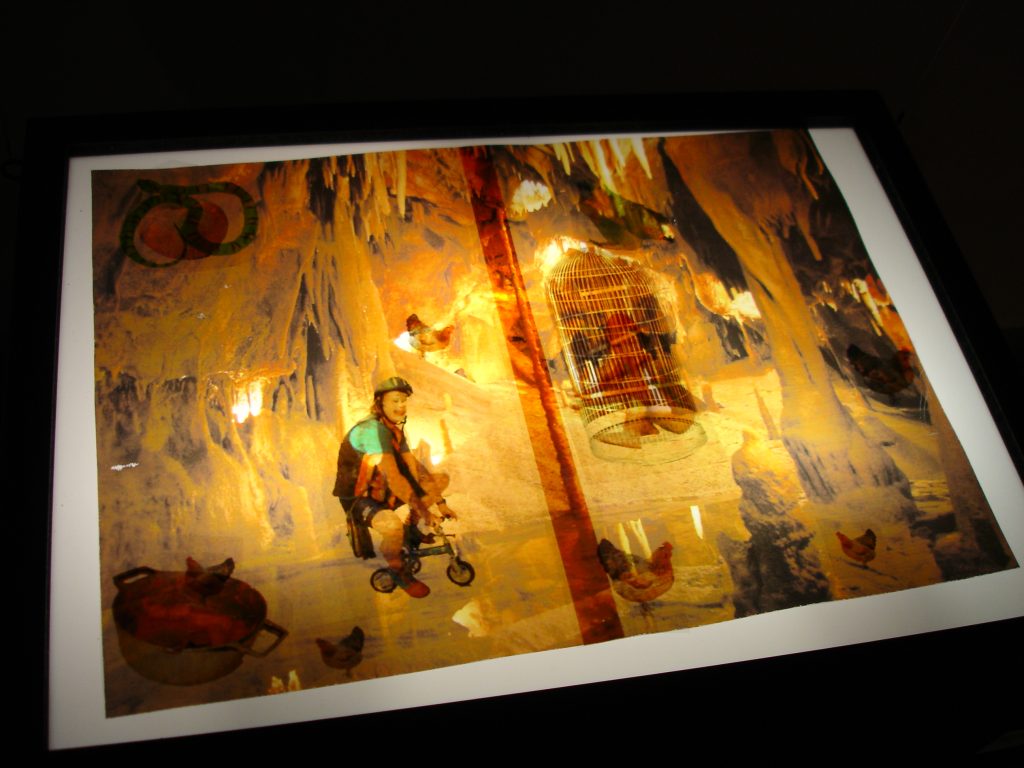
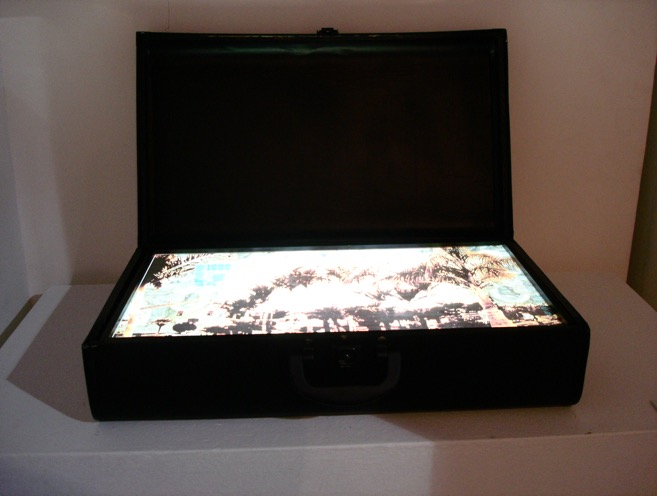
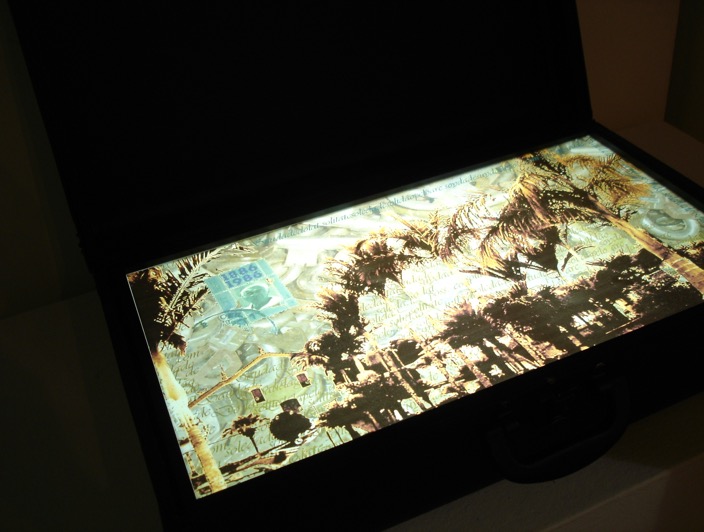
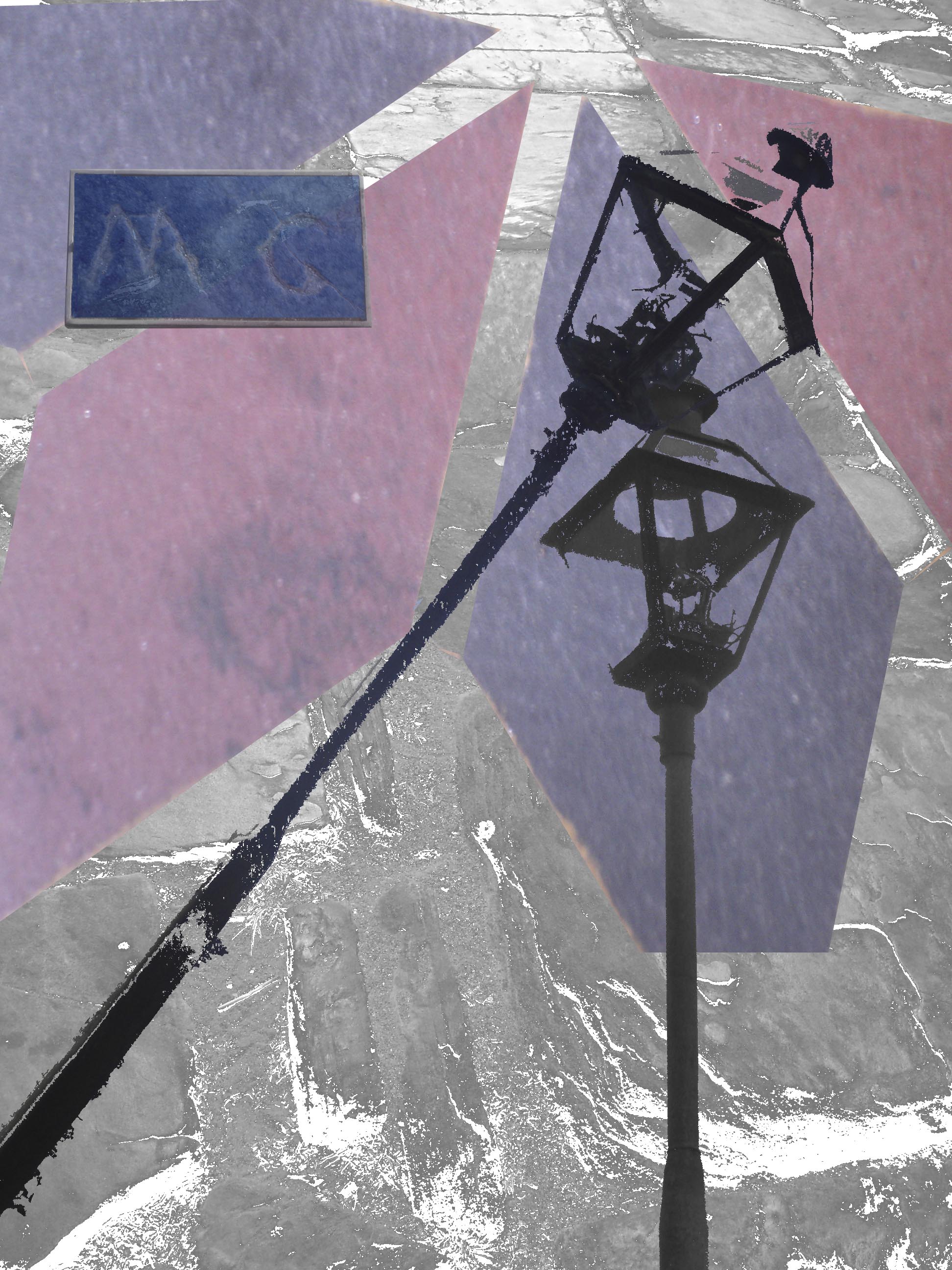
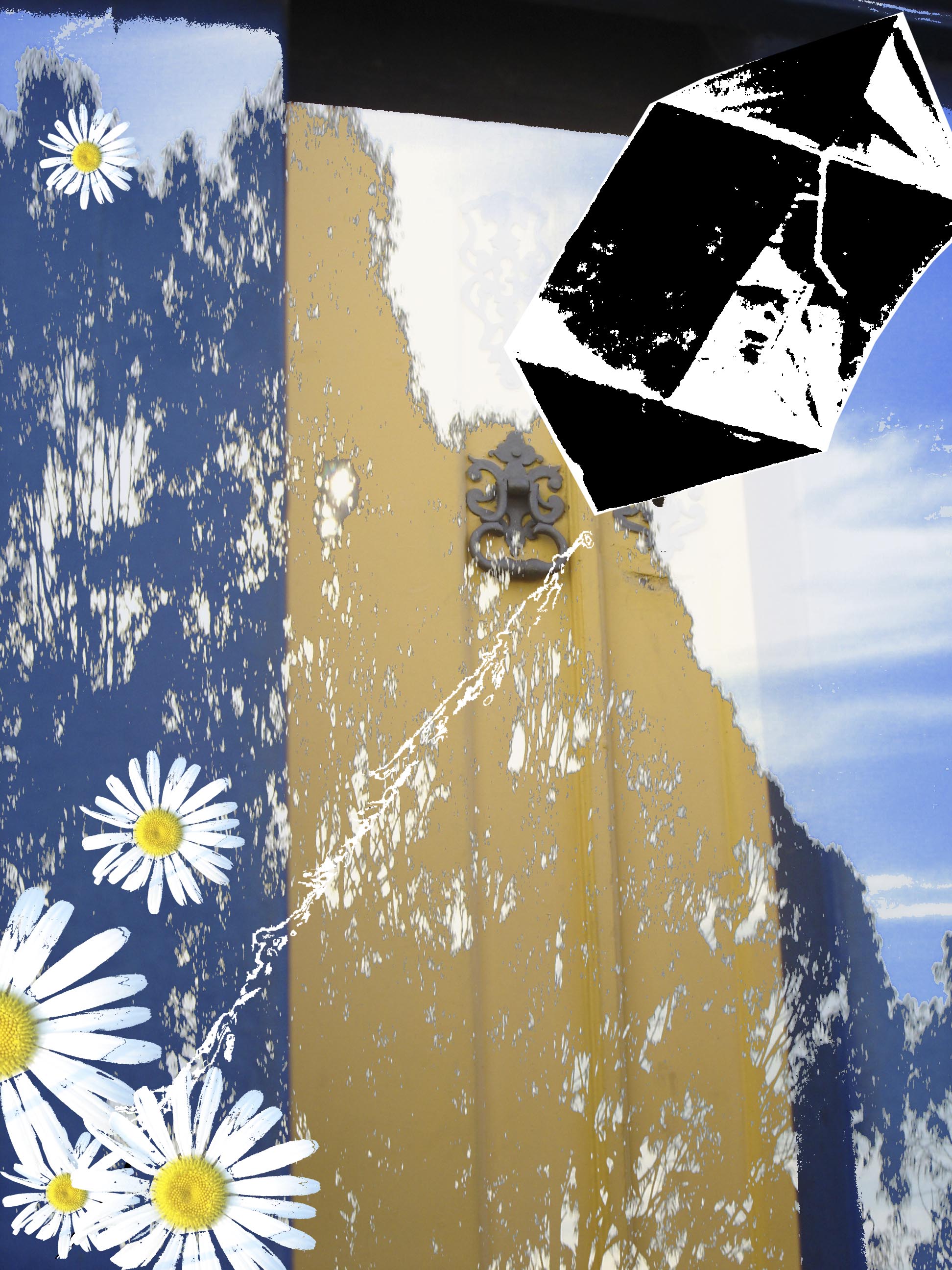
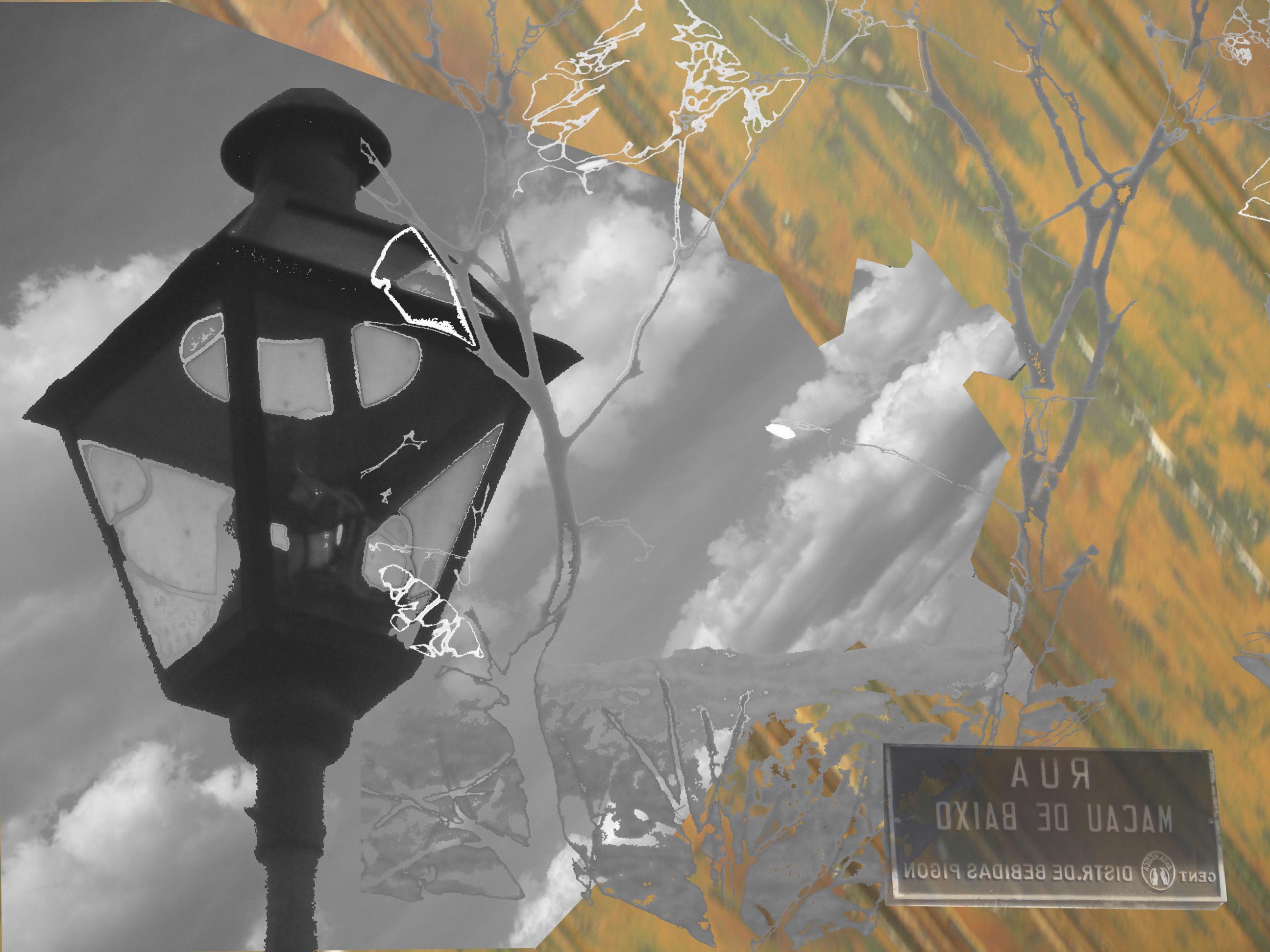
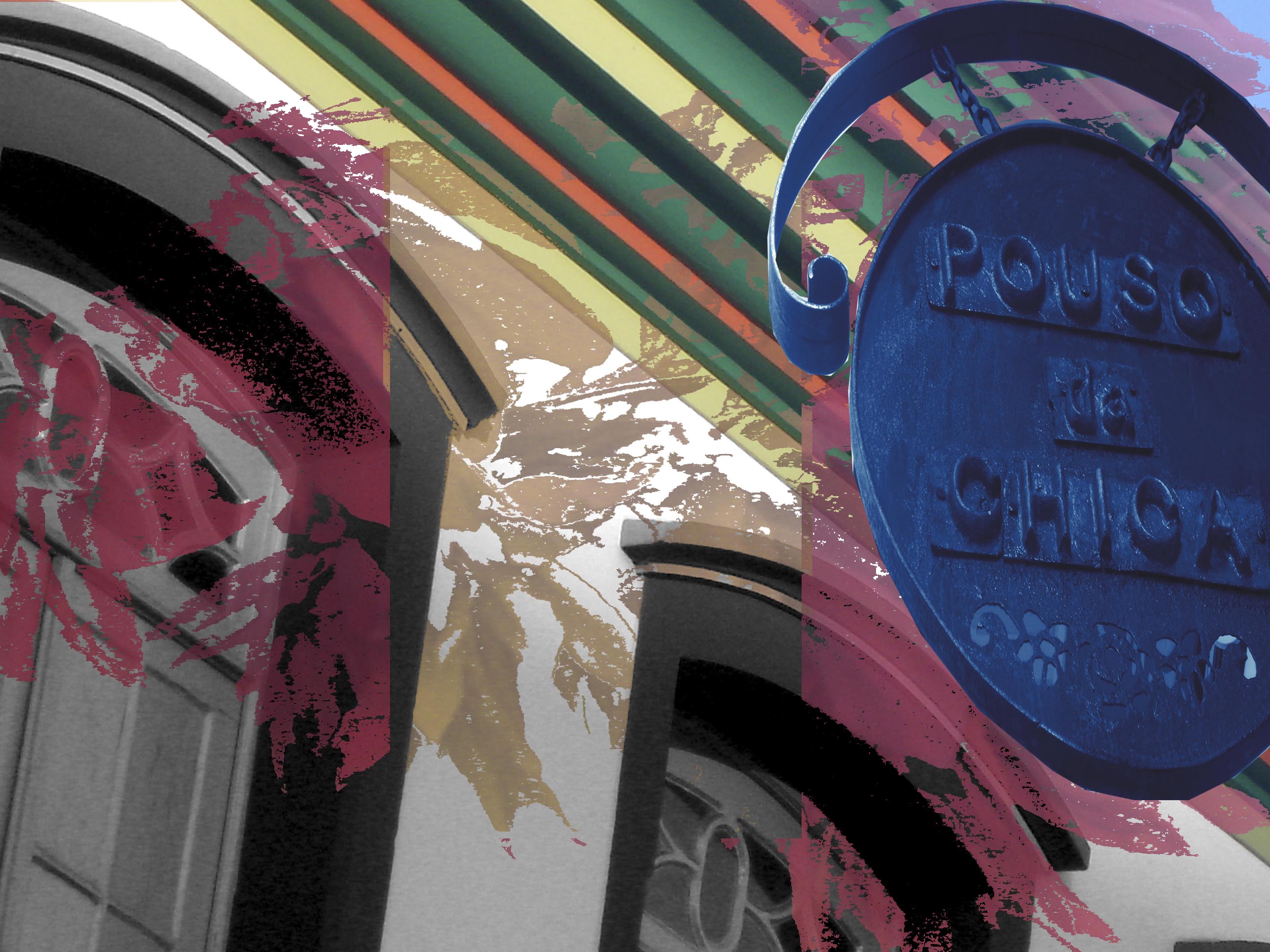
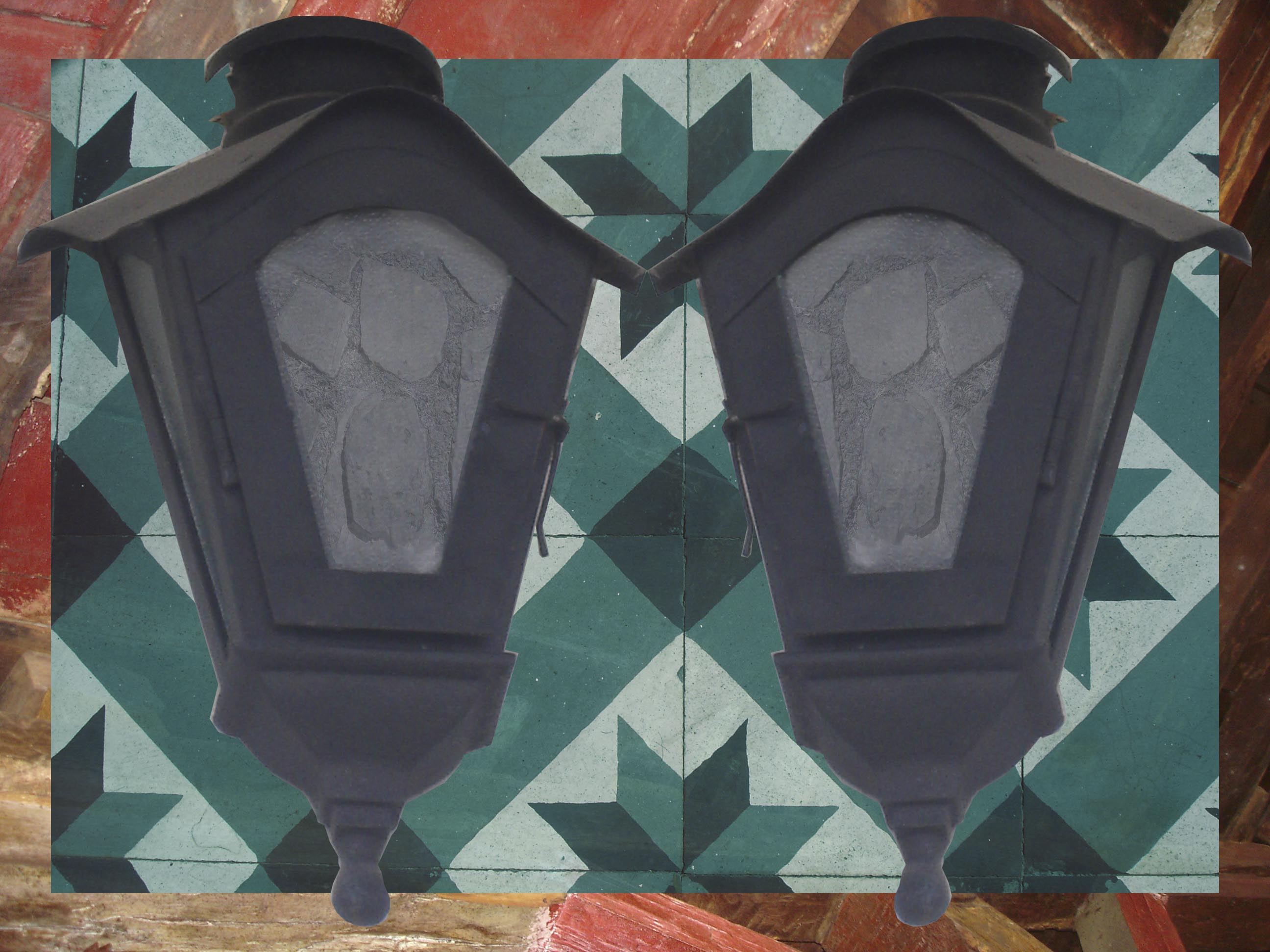
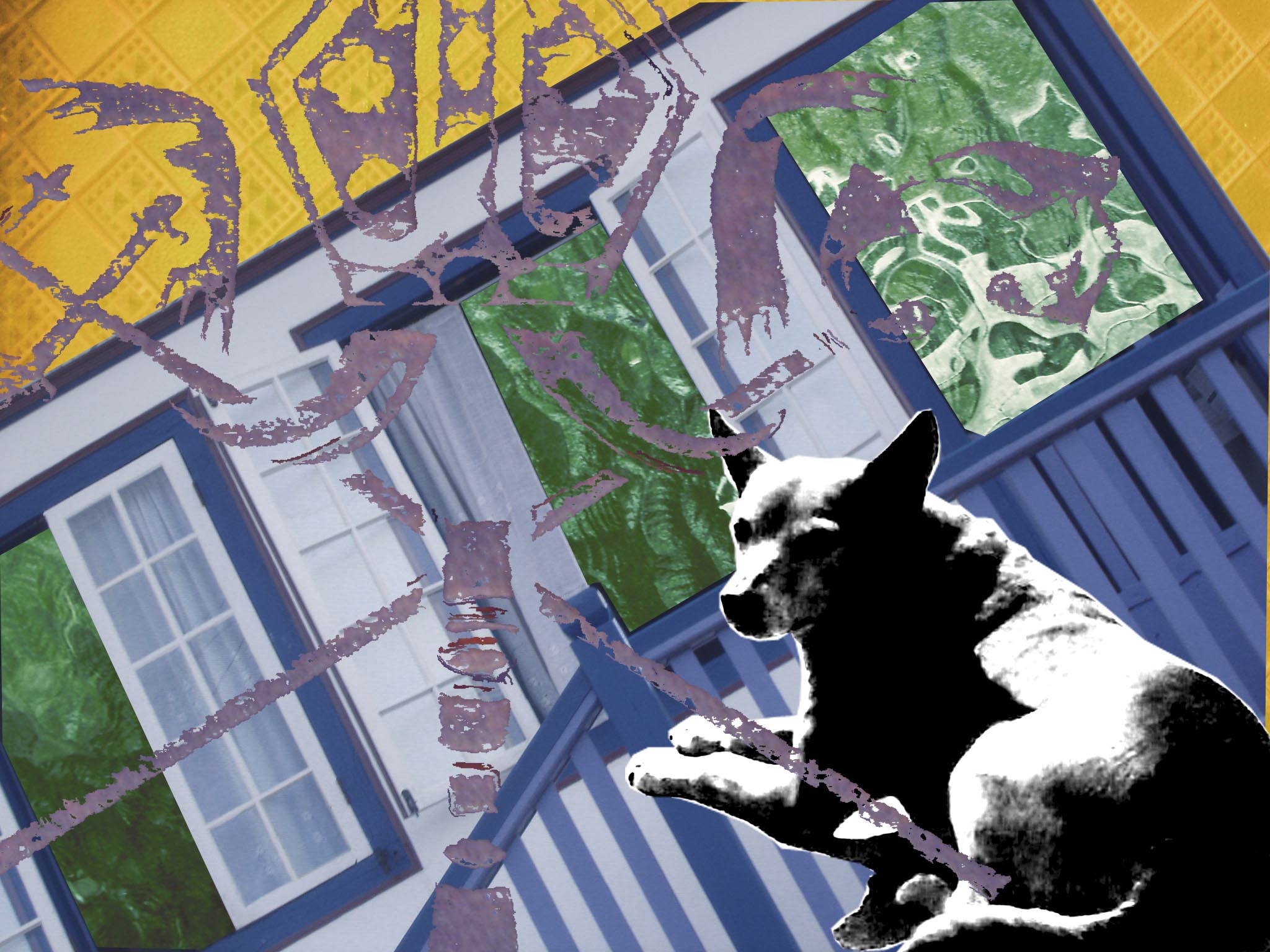
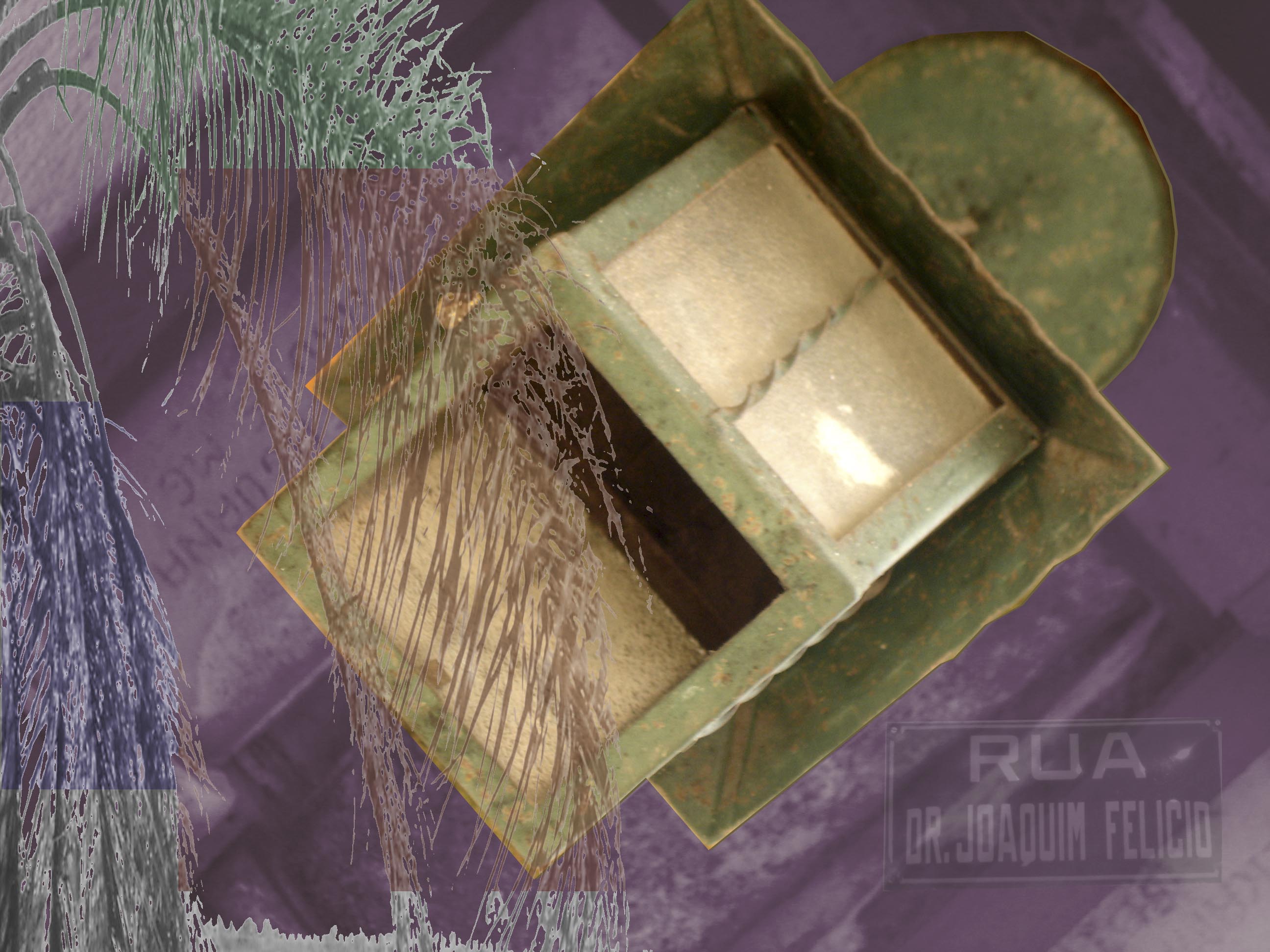
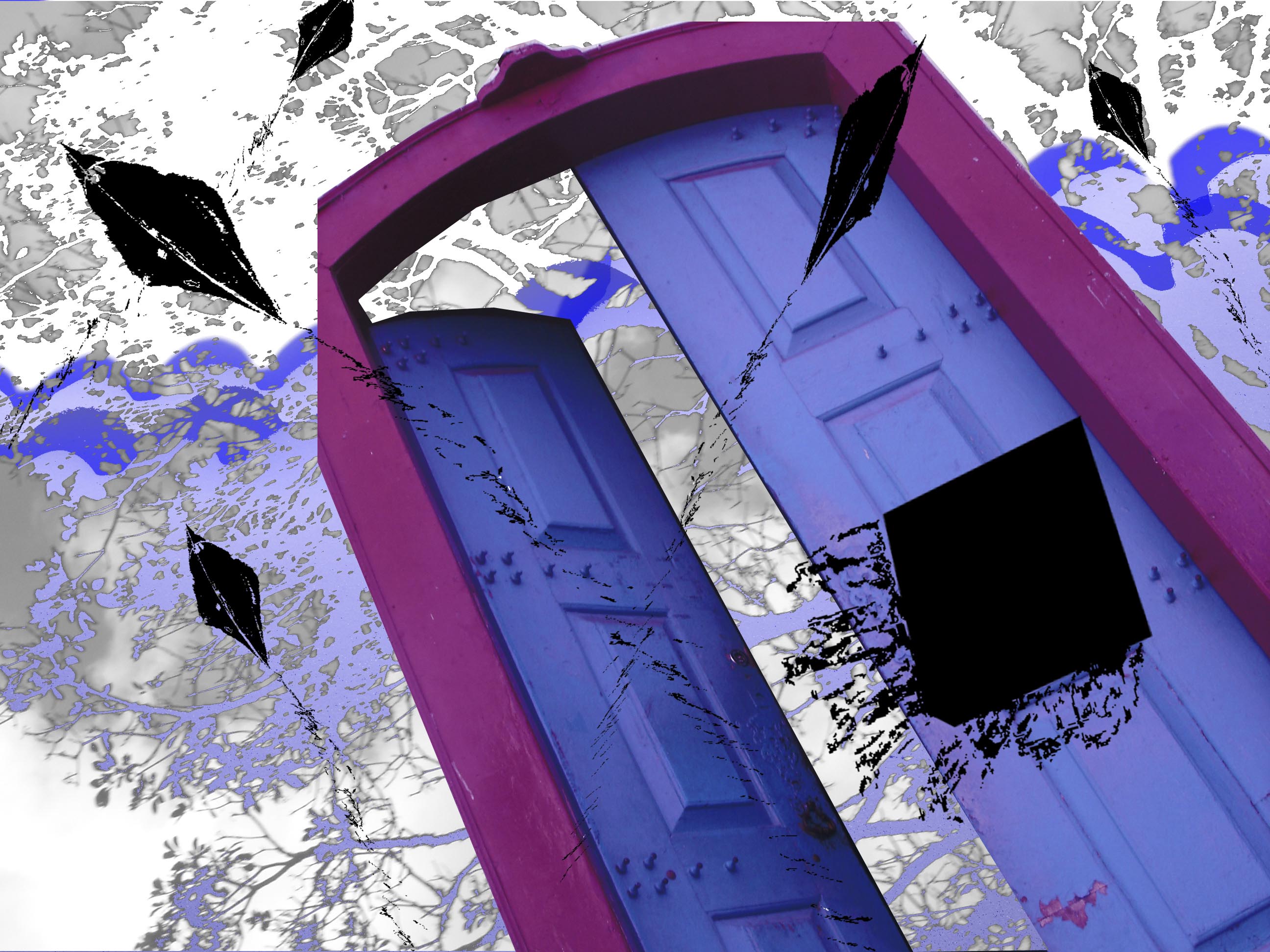
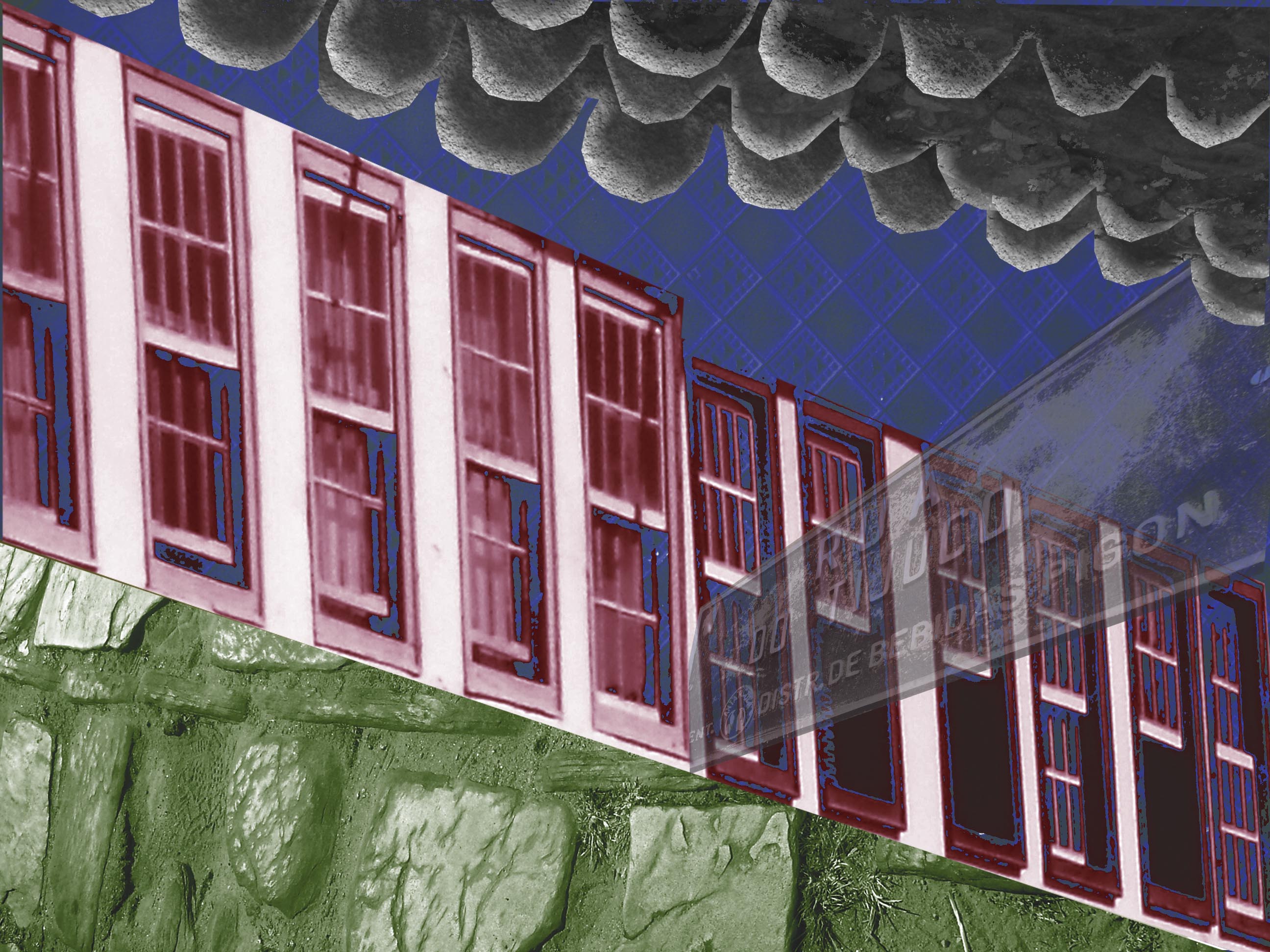
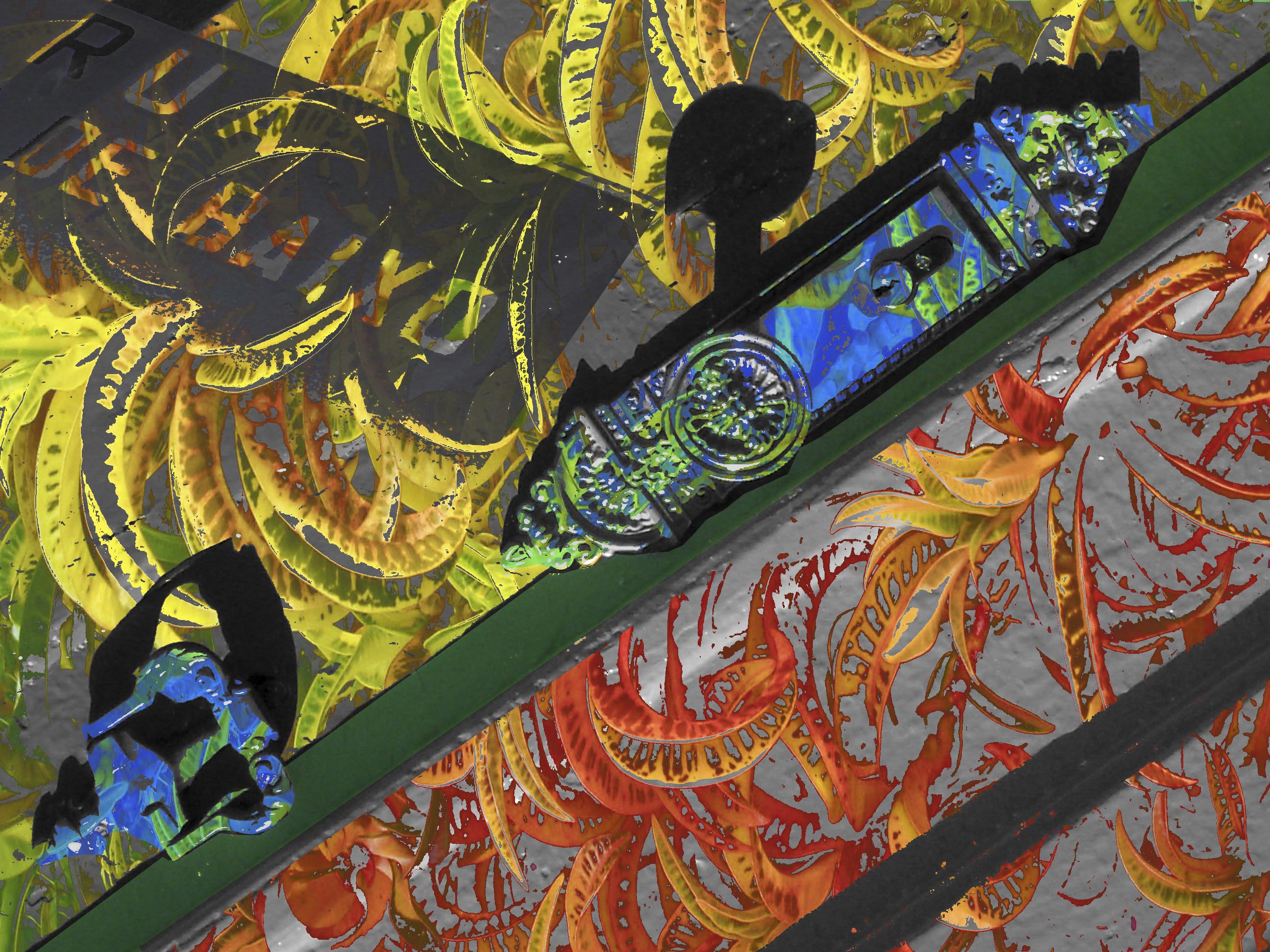
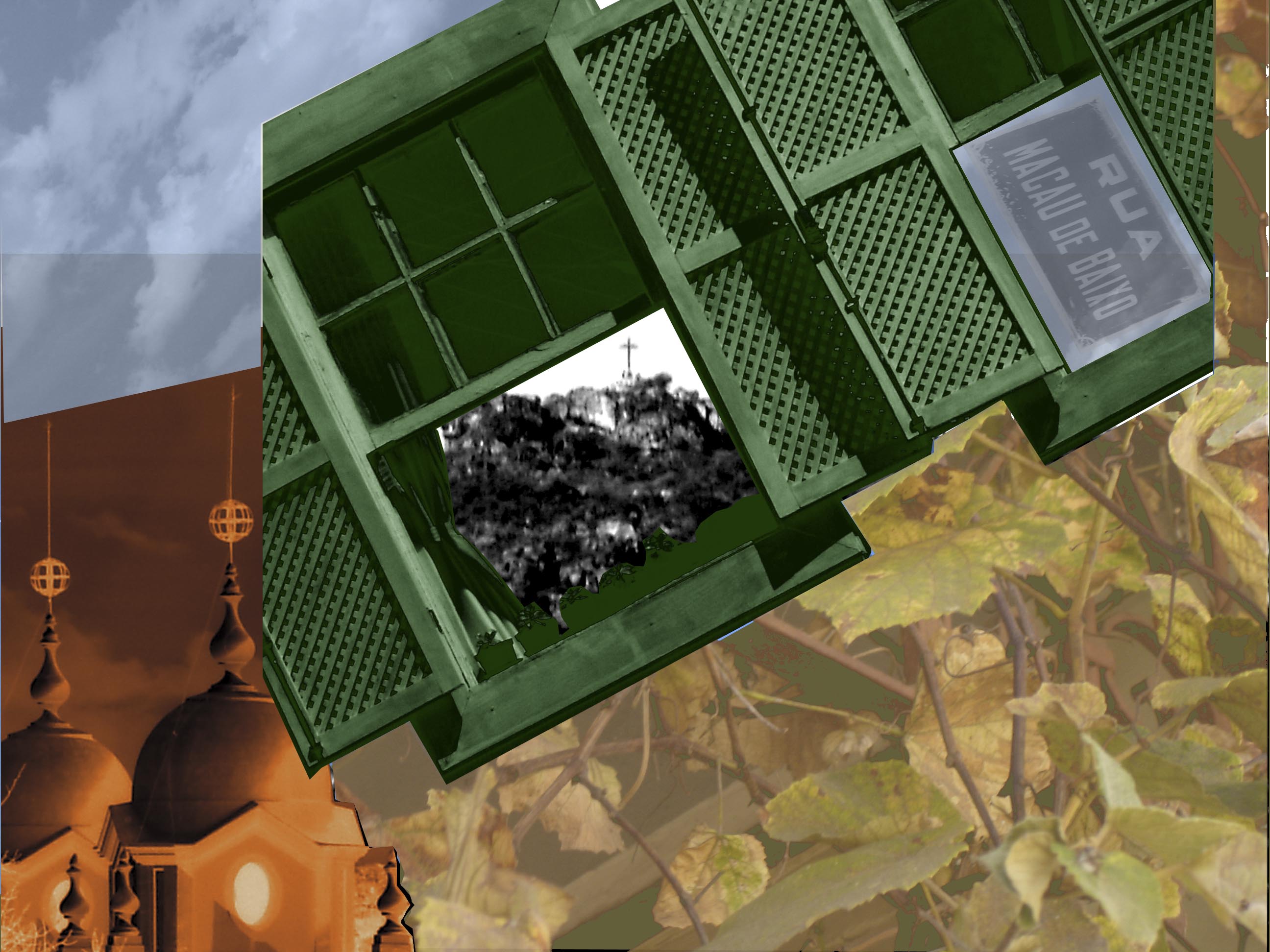
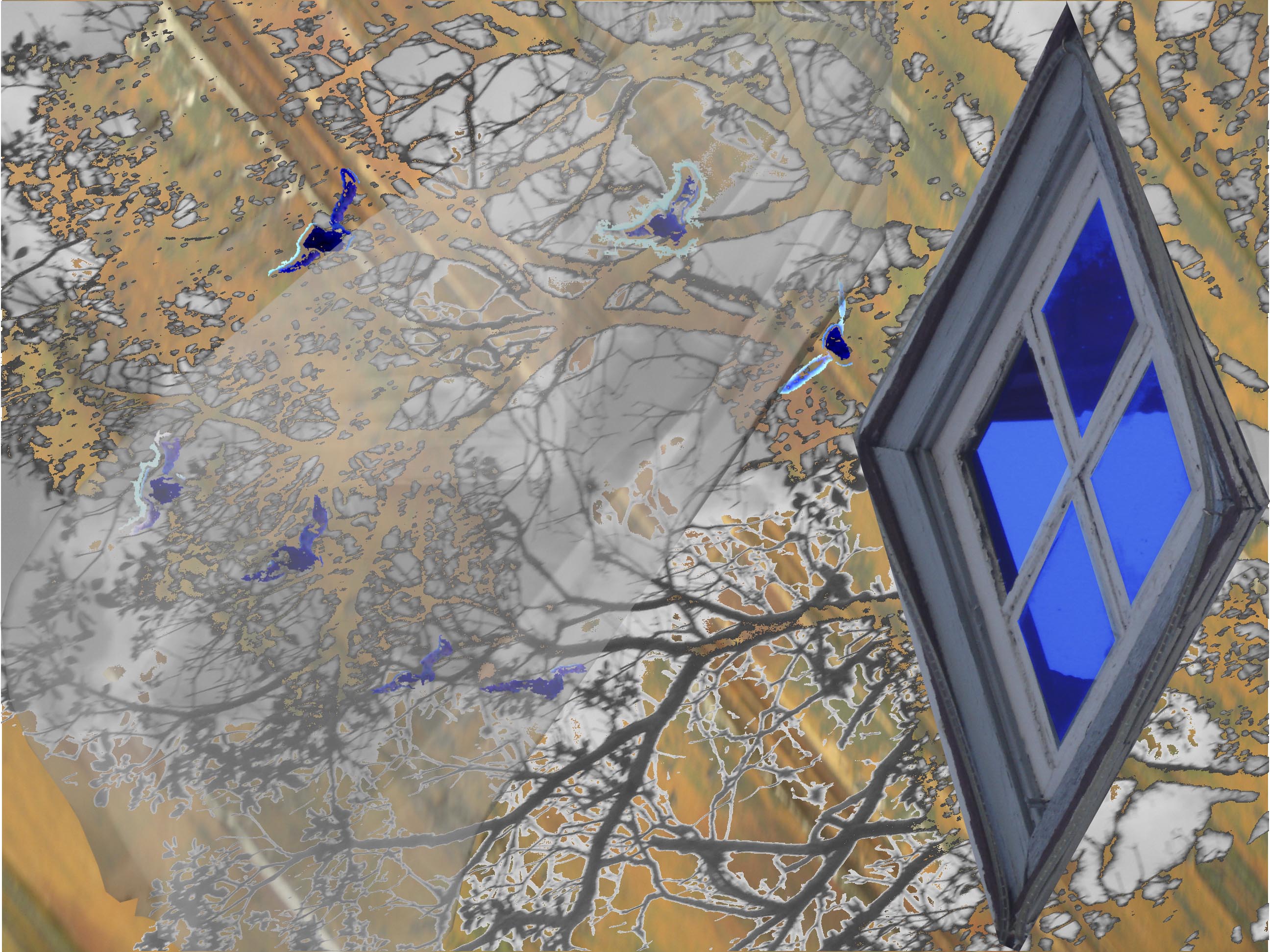
Imaginary places is a mixture of culture of the region of Minas Gerais, Brasil and different visual elements that one can see in the local villages and cities.

This digital collage artwork is a mixture of reality and fantasy creating imaginary cities, places and landscapes. Shapes, colours and symbols are used in a ludic sense to create the duality of reality and dream. The series is an utopian view of the artist facing her own reality and constructs a bridge between local culture and imagination.

Technique: Digital collage printed on paper and mounted over wooden plates.

Format: 90 x 70cm

Fragmentation

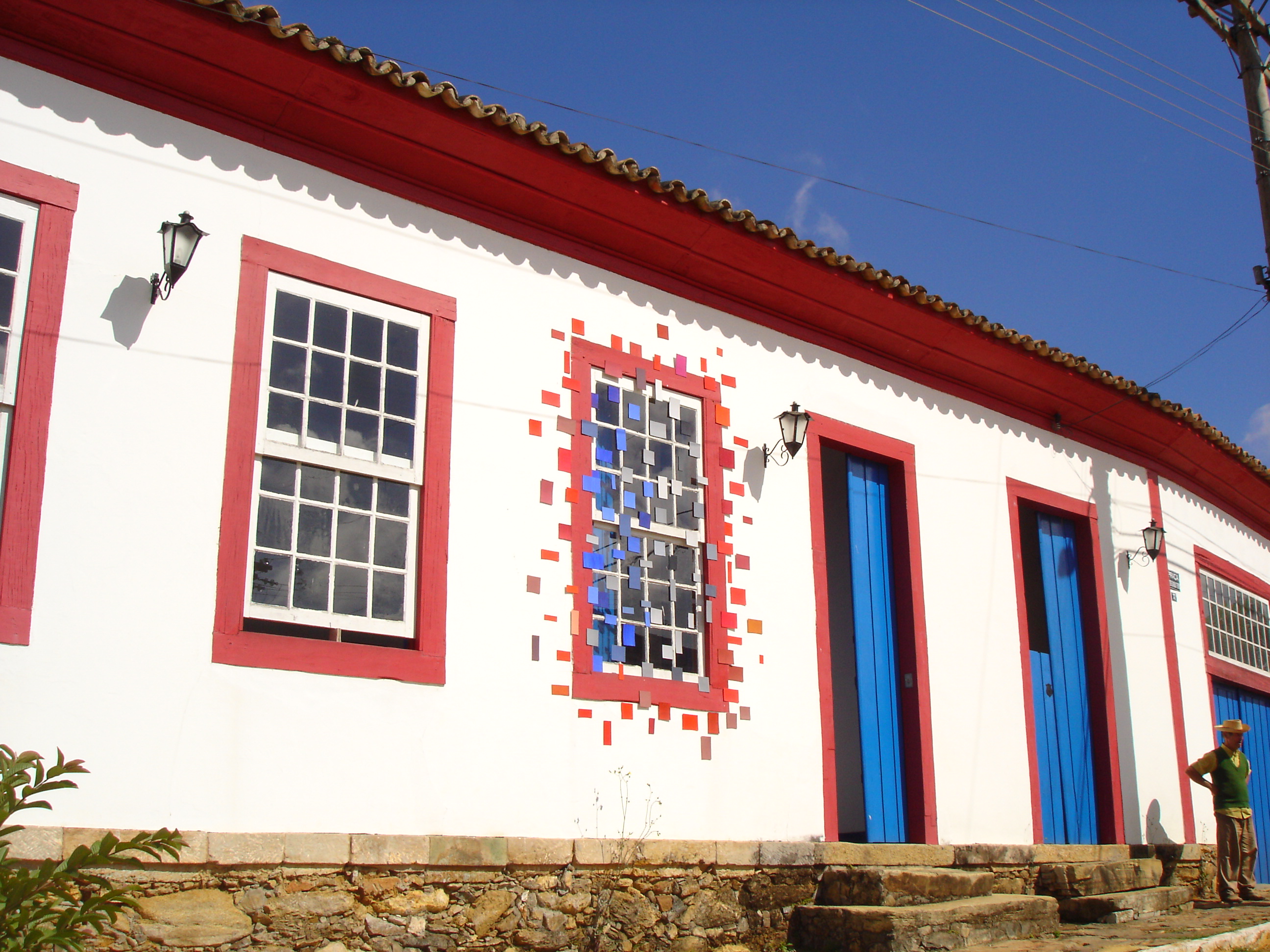
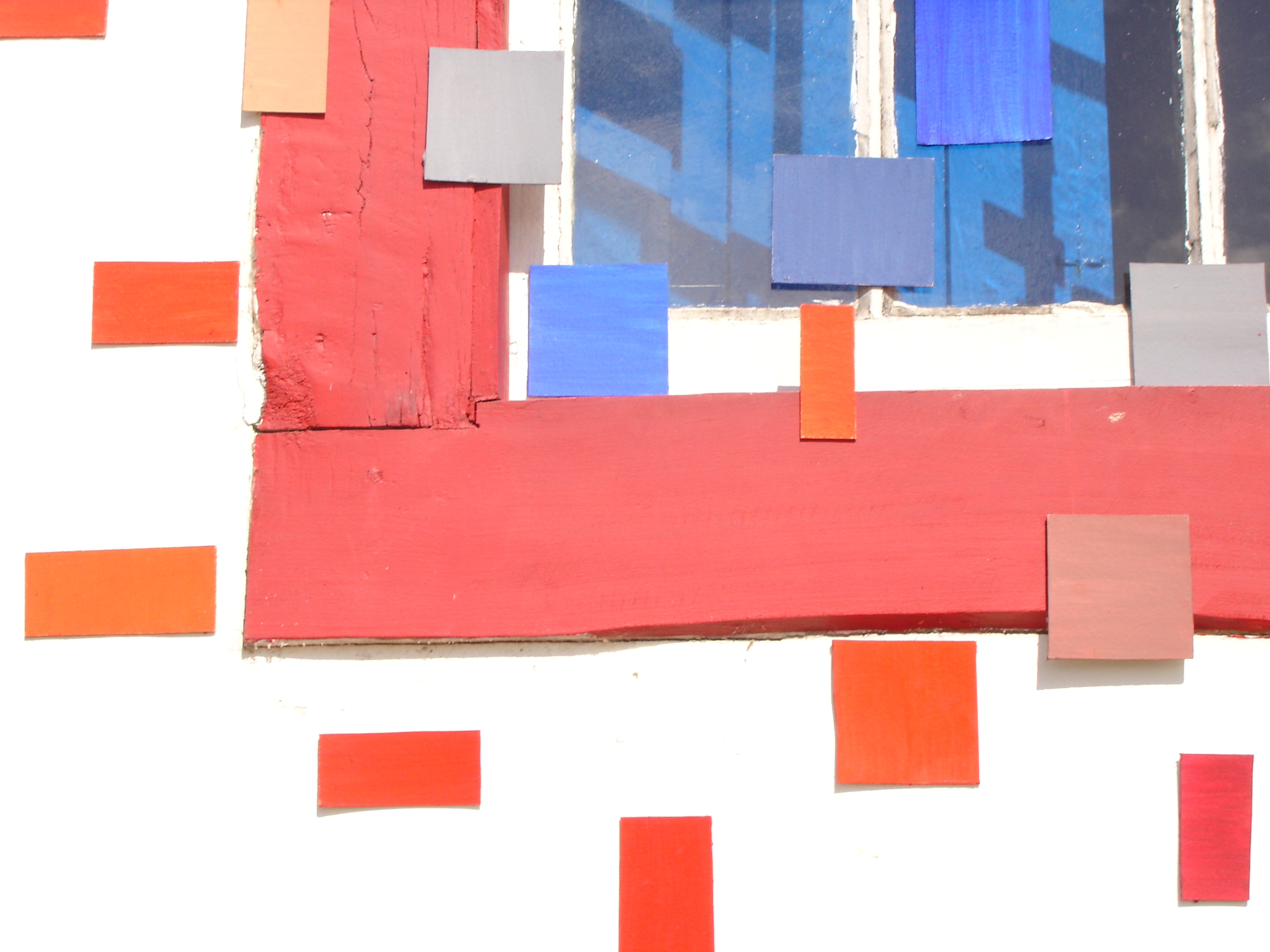
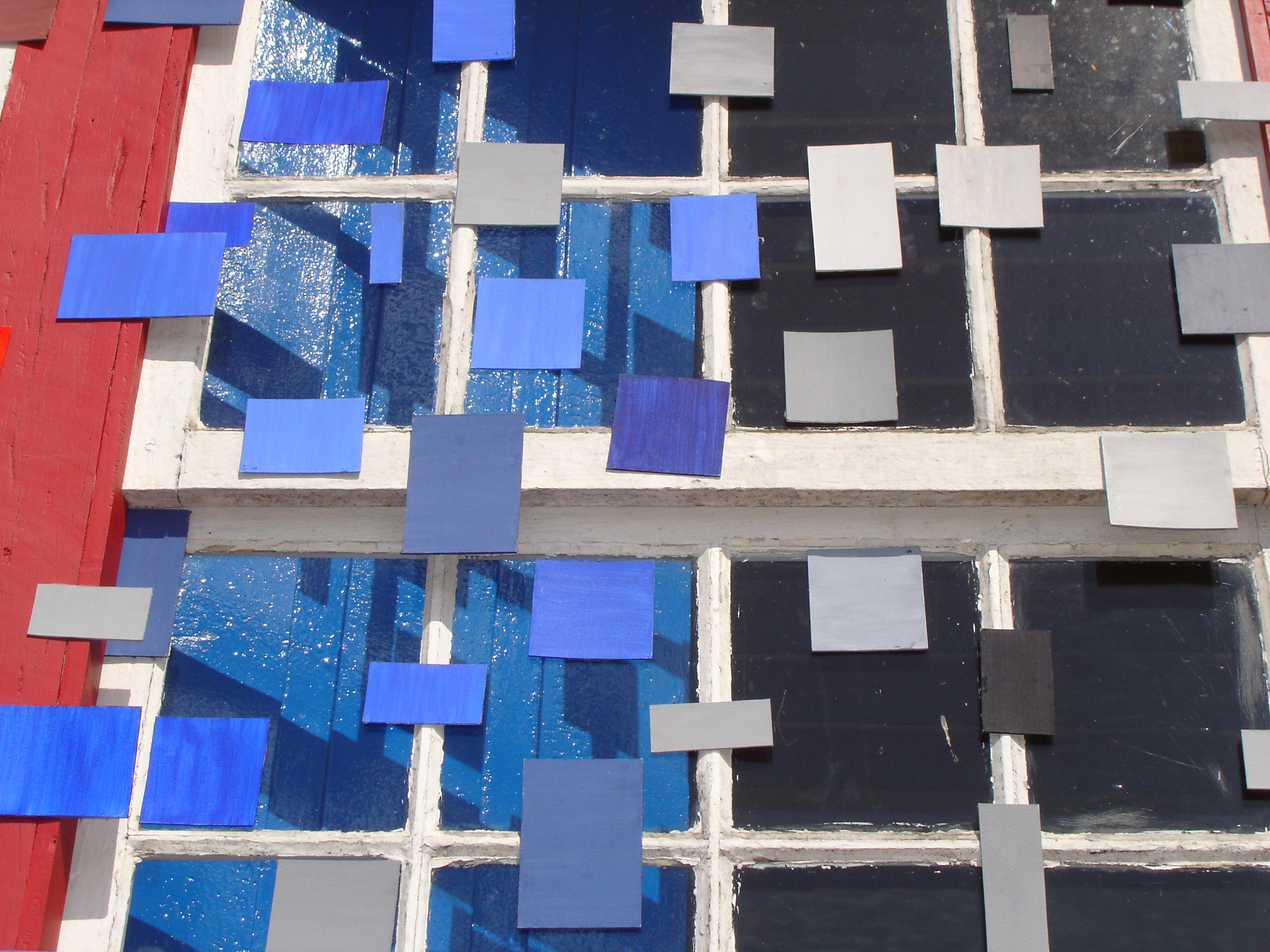
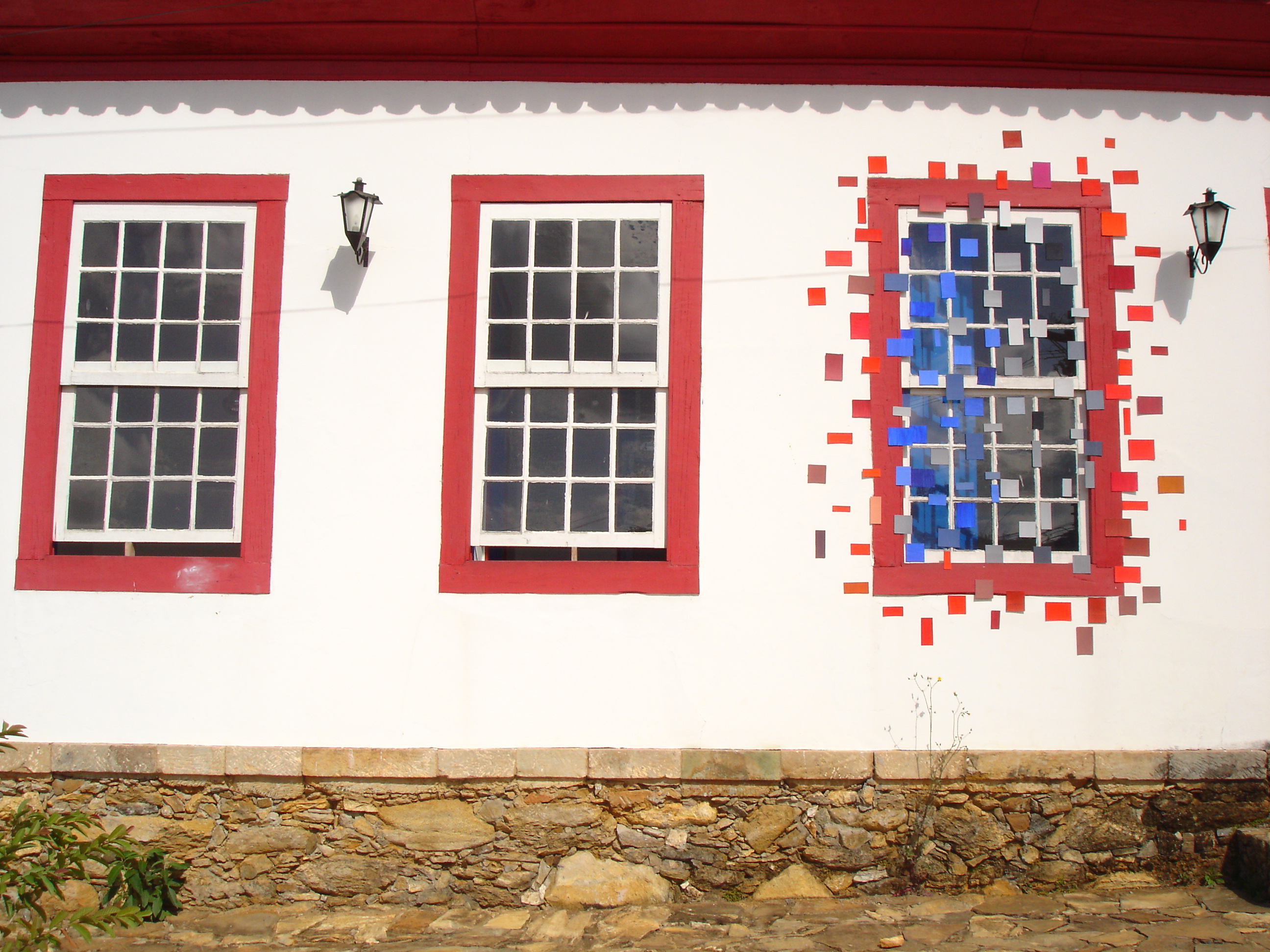
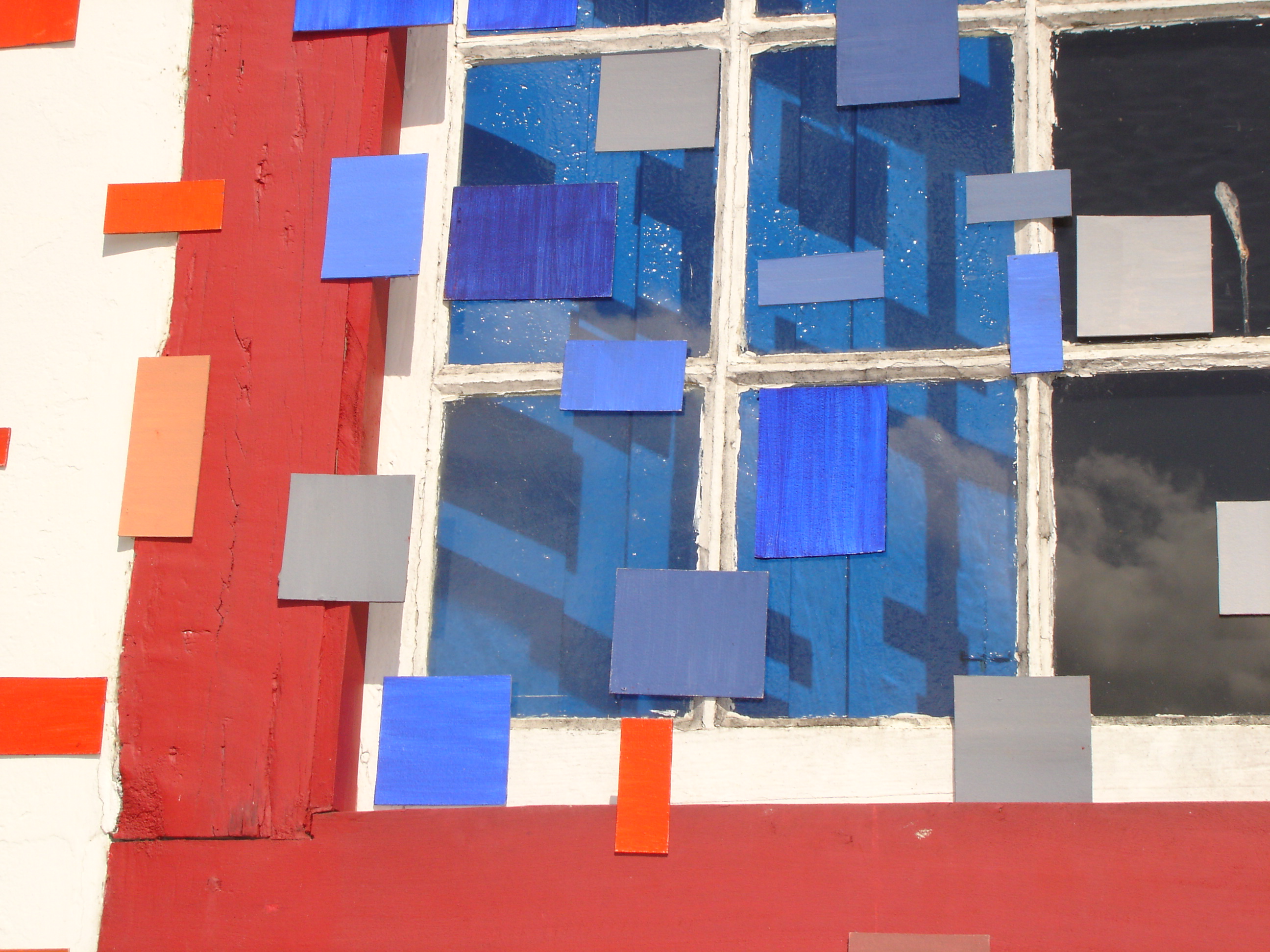
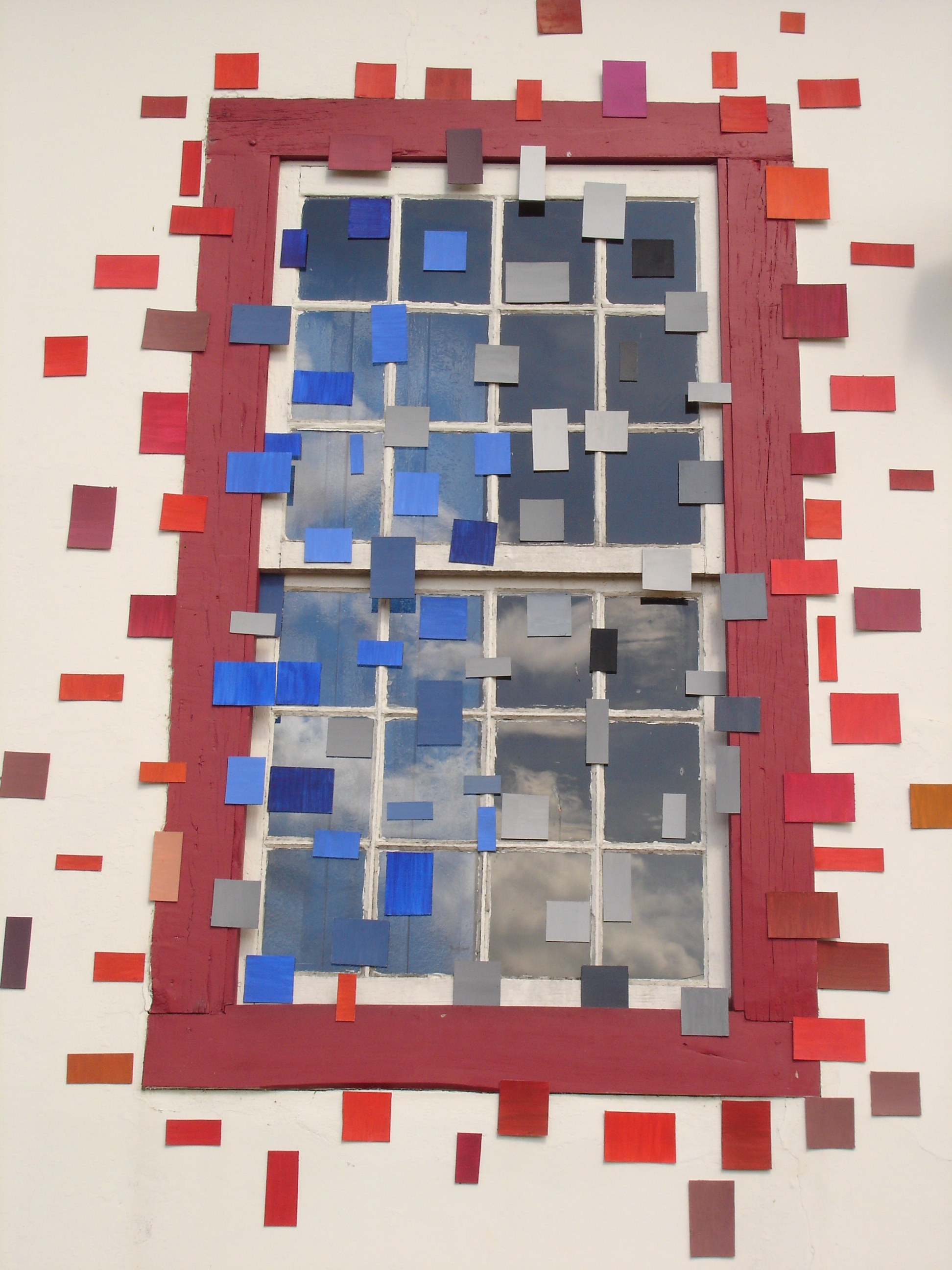
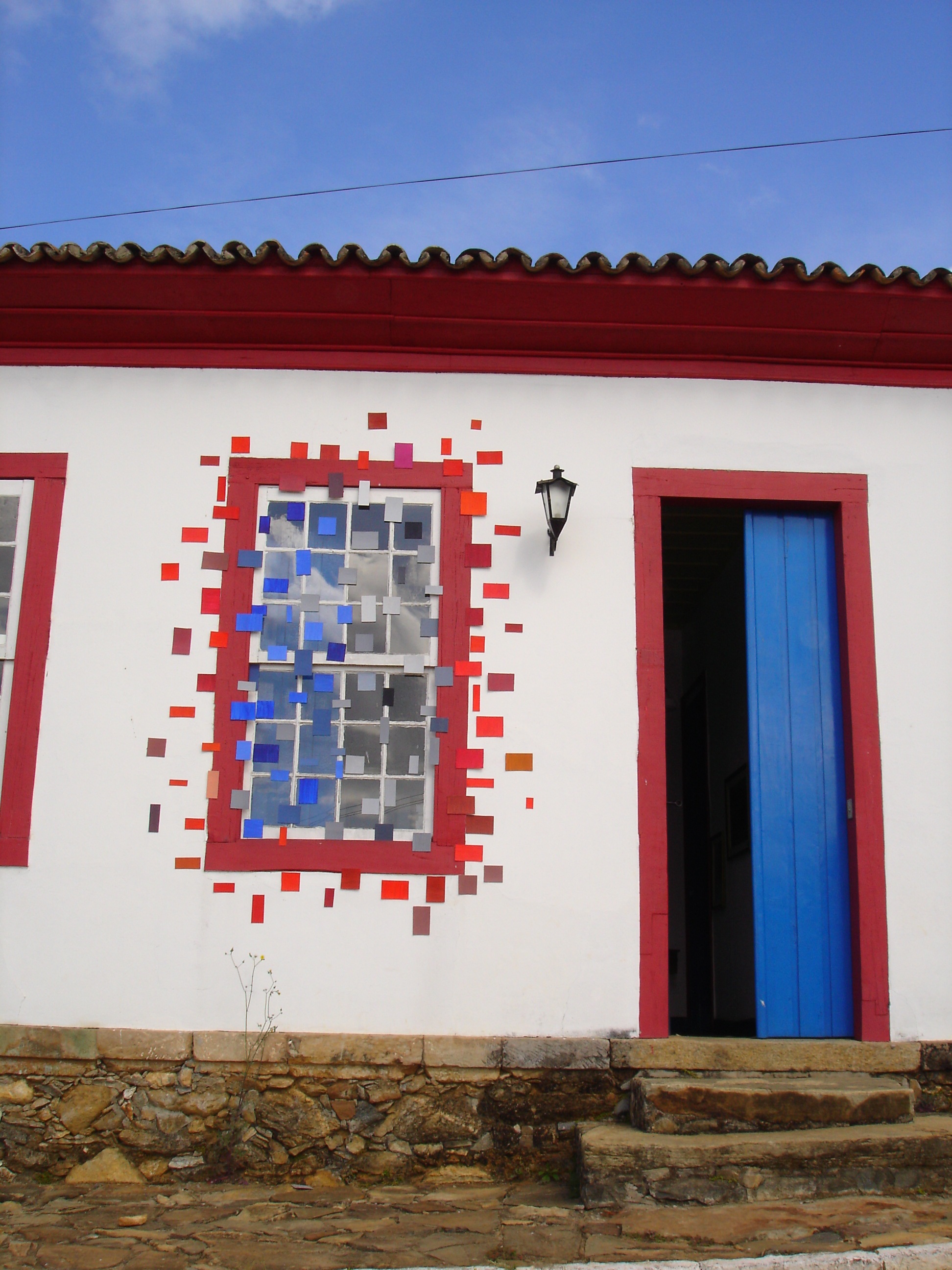
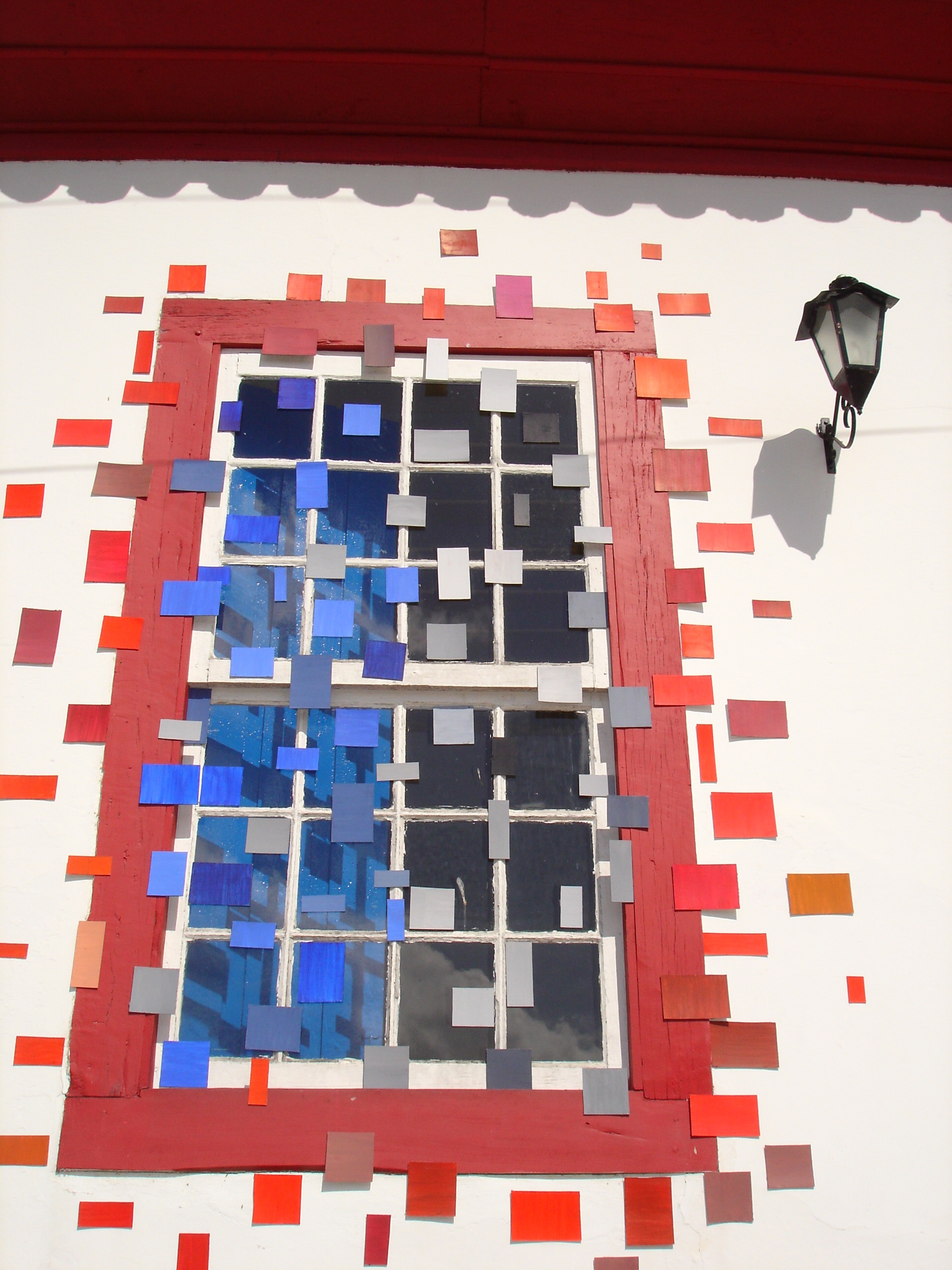
Fragmentation is an installation on the facade of a colonial house on the rural side of Minas Gerais, city of Santana dos Montes.

It presents to the viewer a fragmentation of the solid colonial architecture and invokes the post-colonial issues and preoccupations that could arise from this proposed new architecture.  

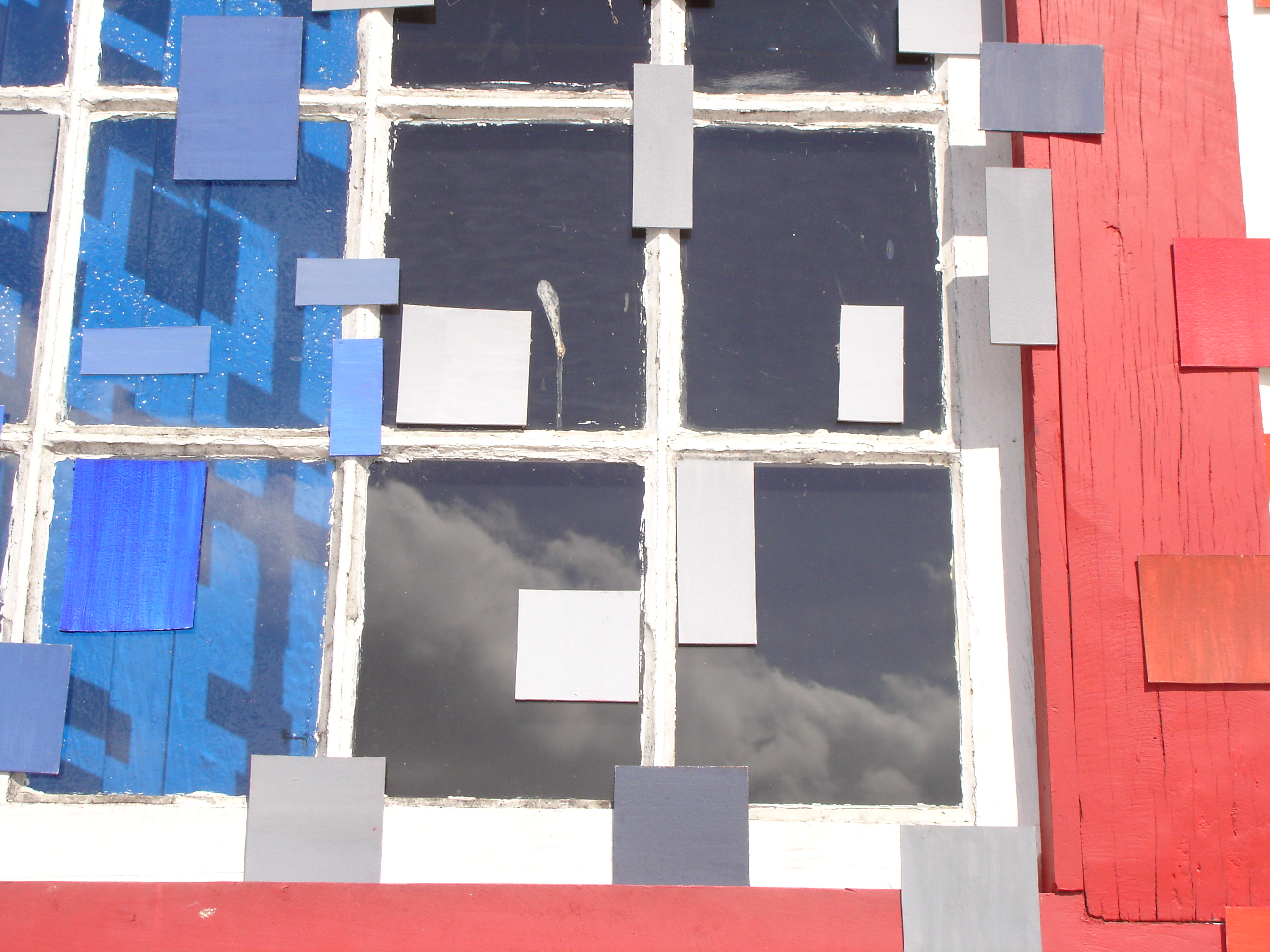
The technique used was oil painting on cardboards and fixed on the outside part of the window, promoting the visual displacement in pieces of the geometric structure.